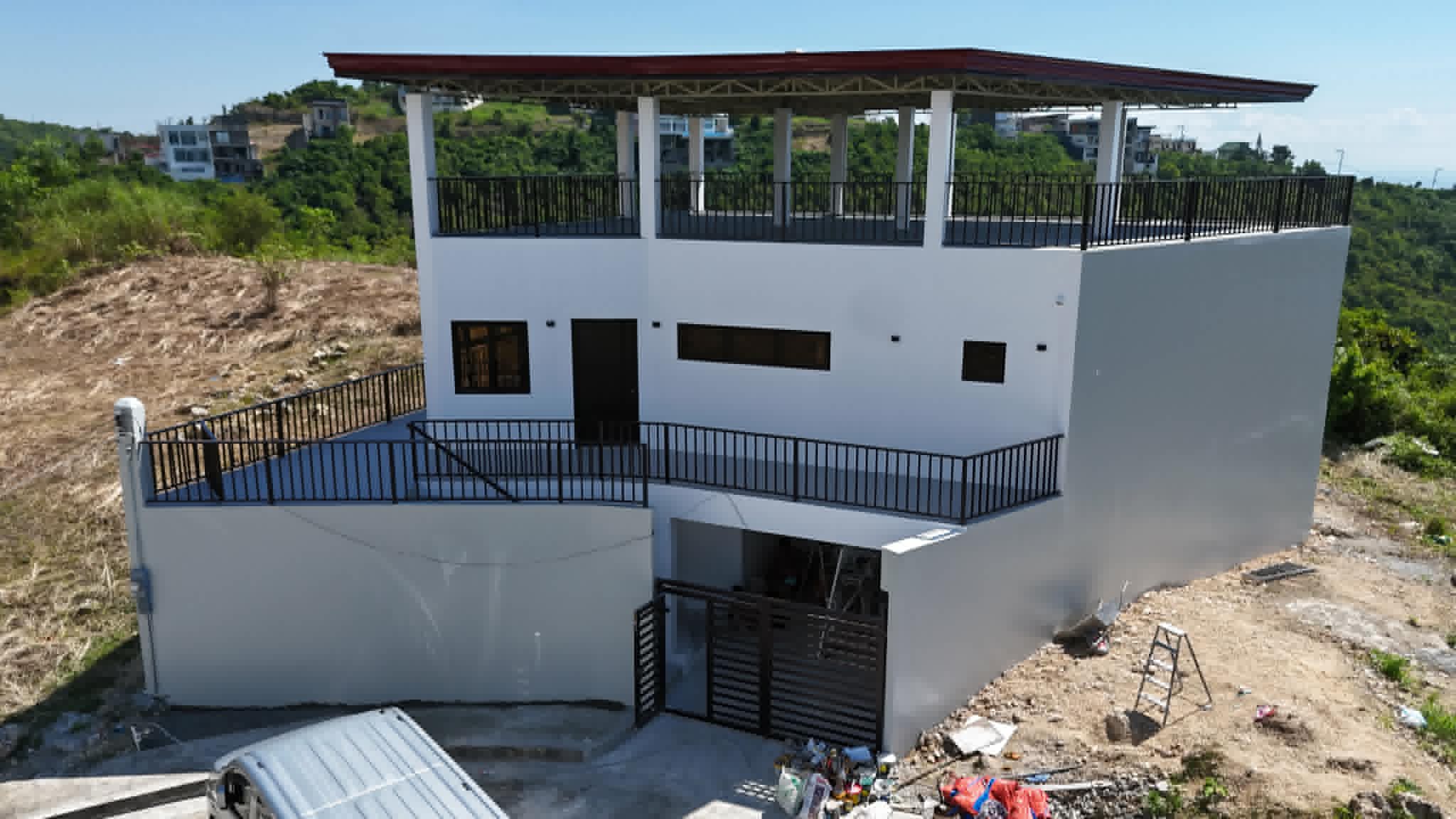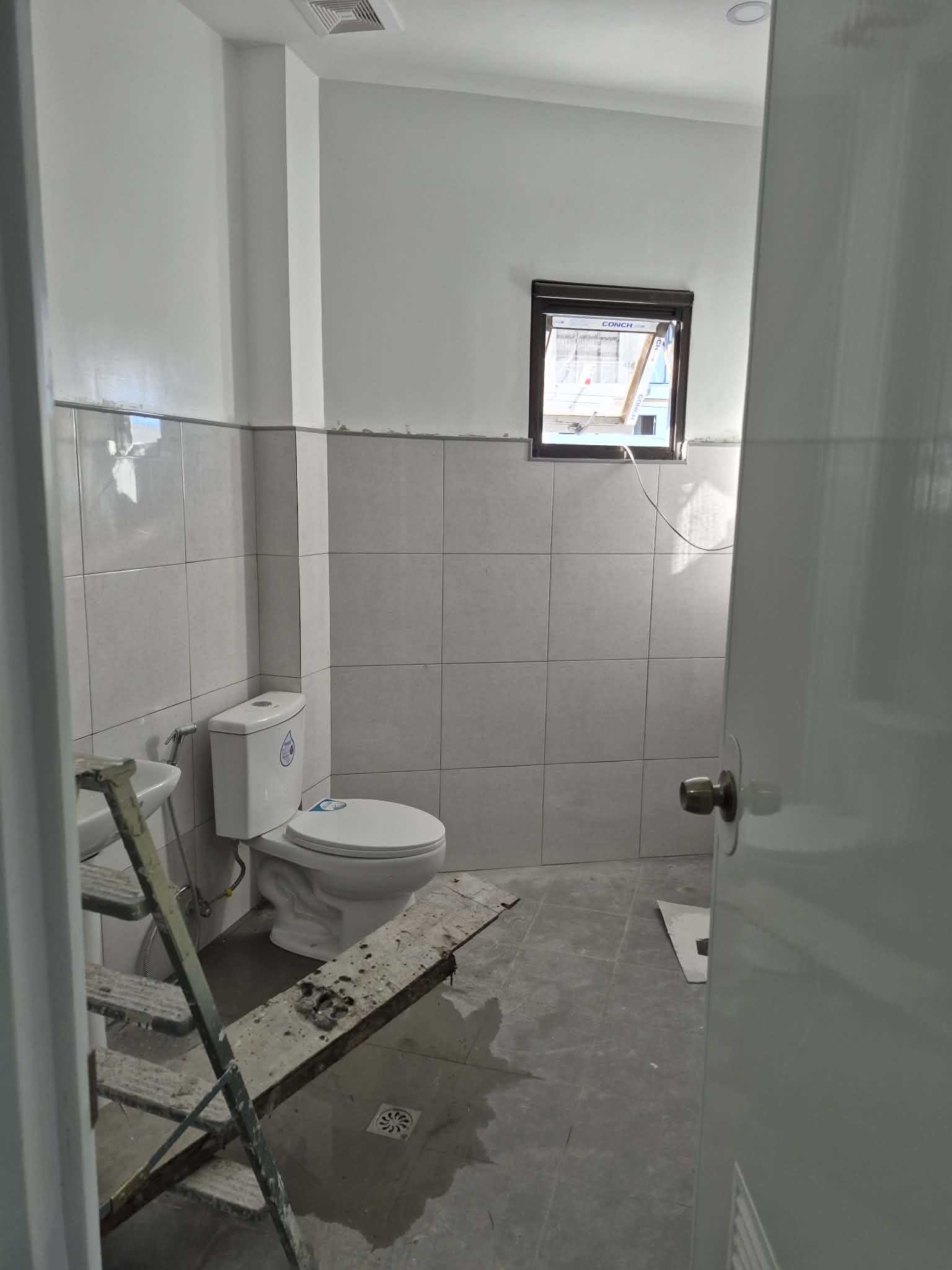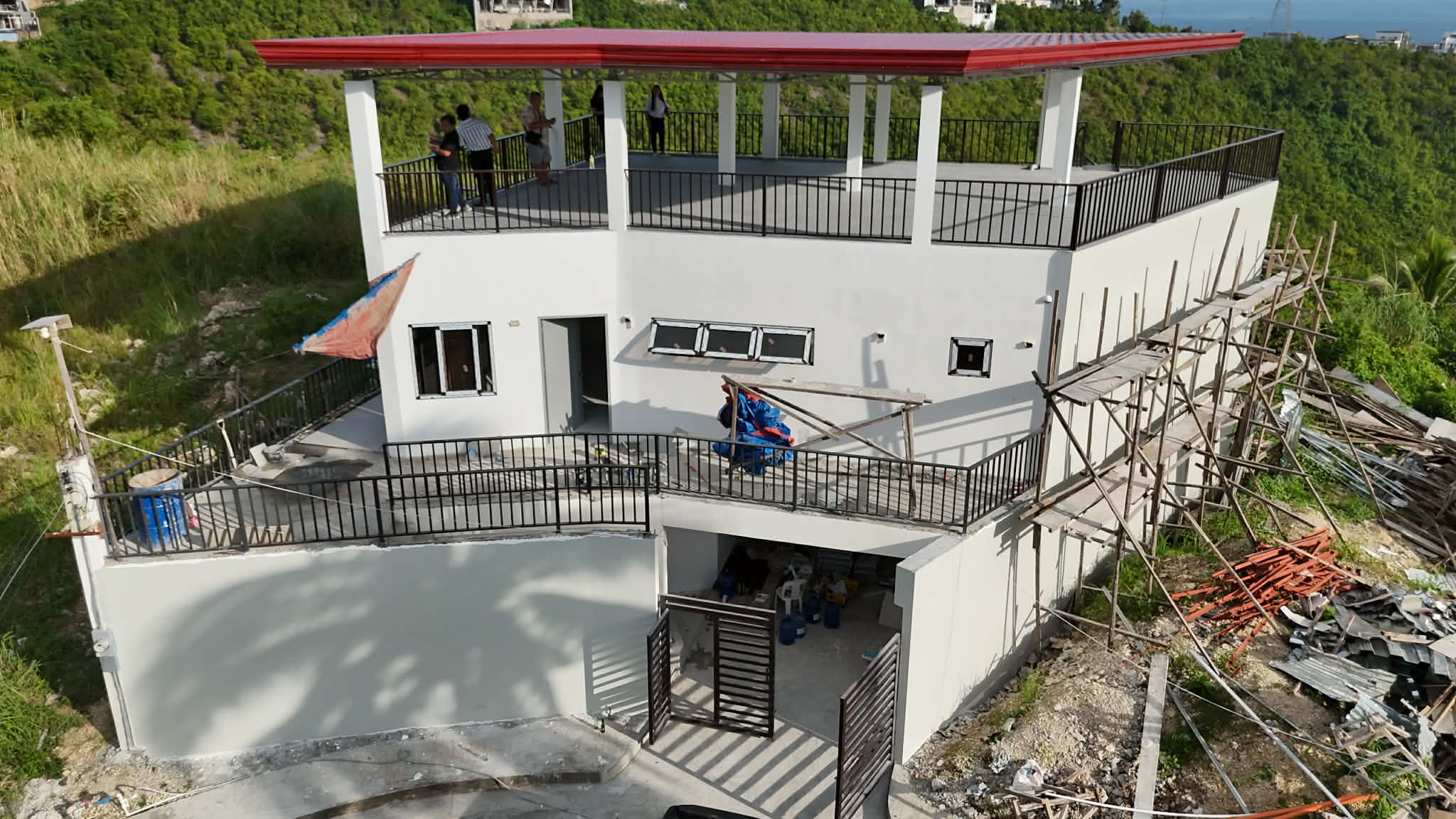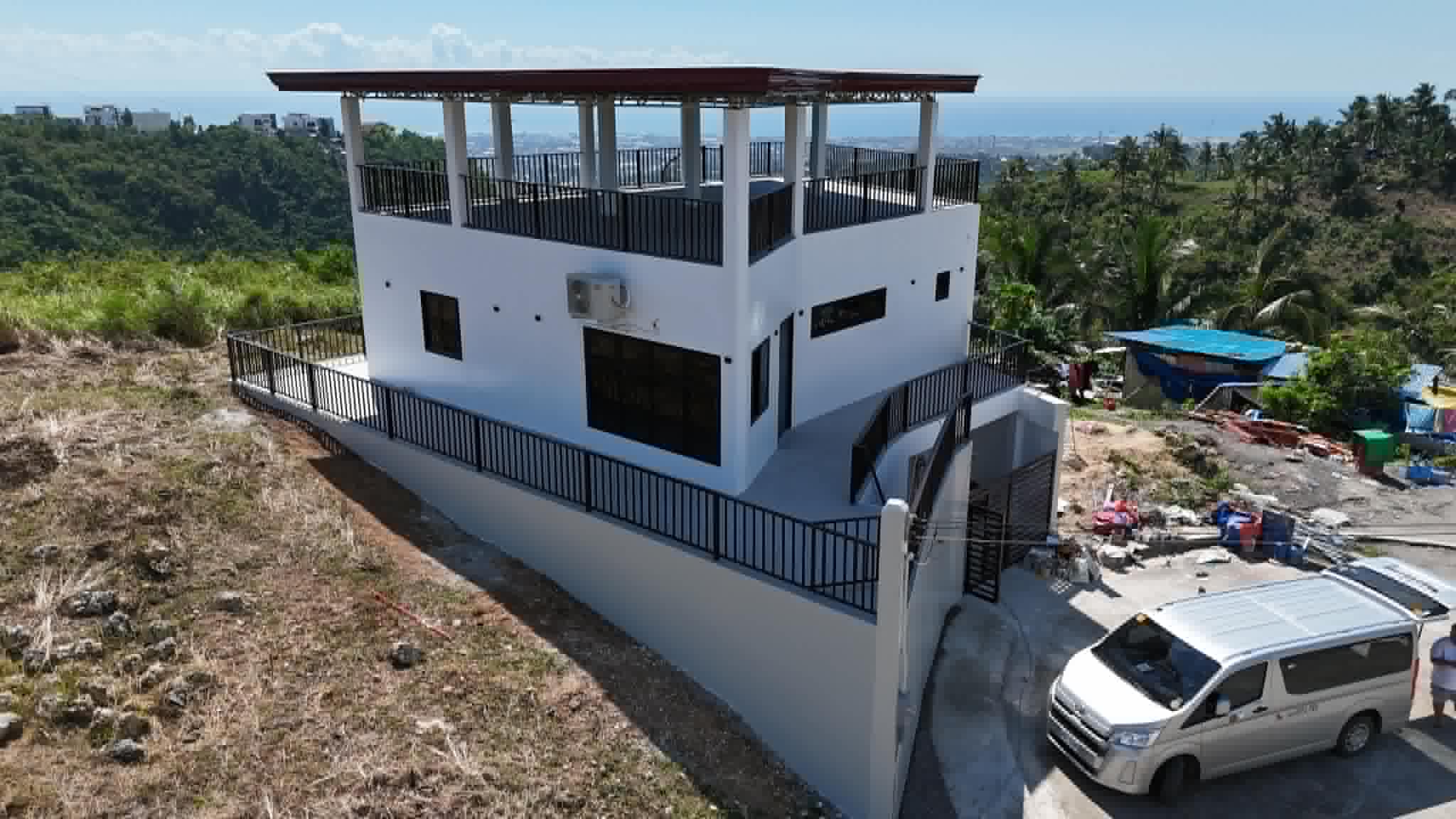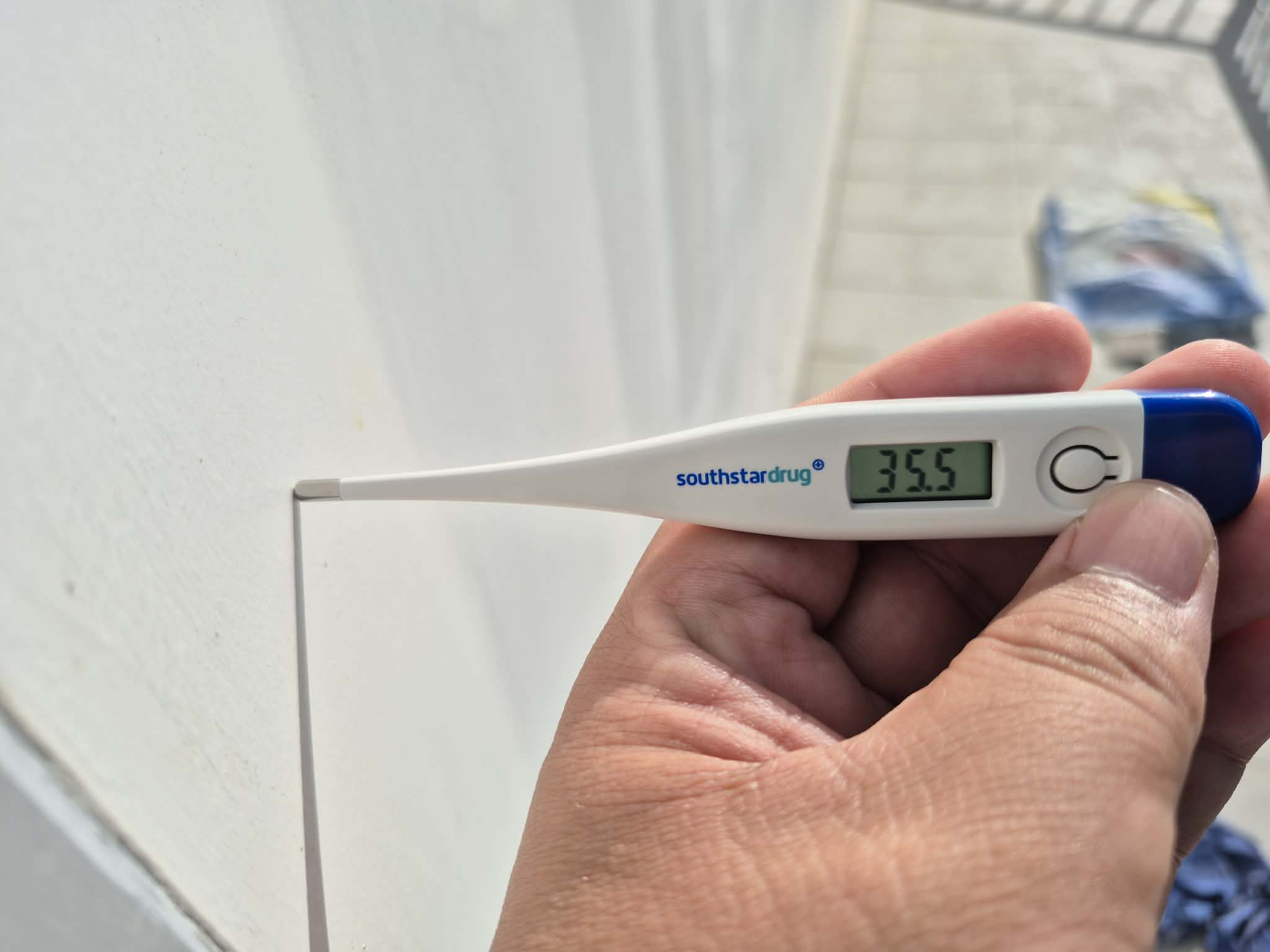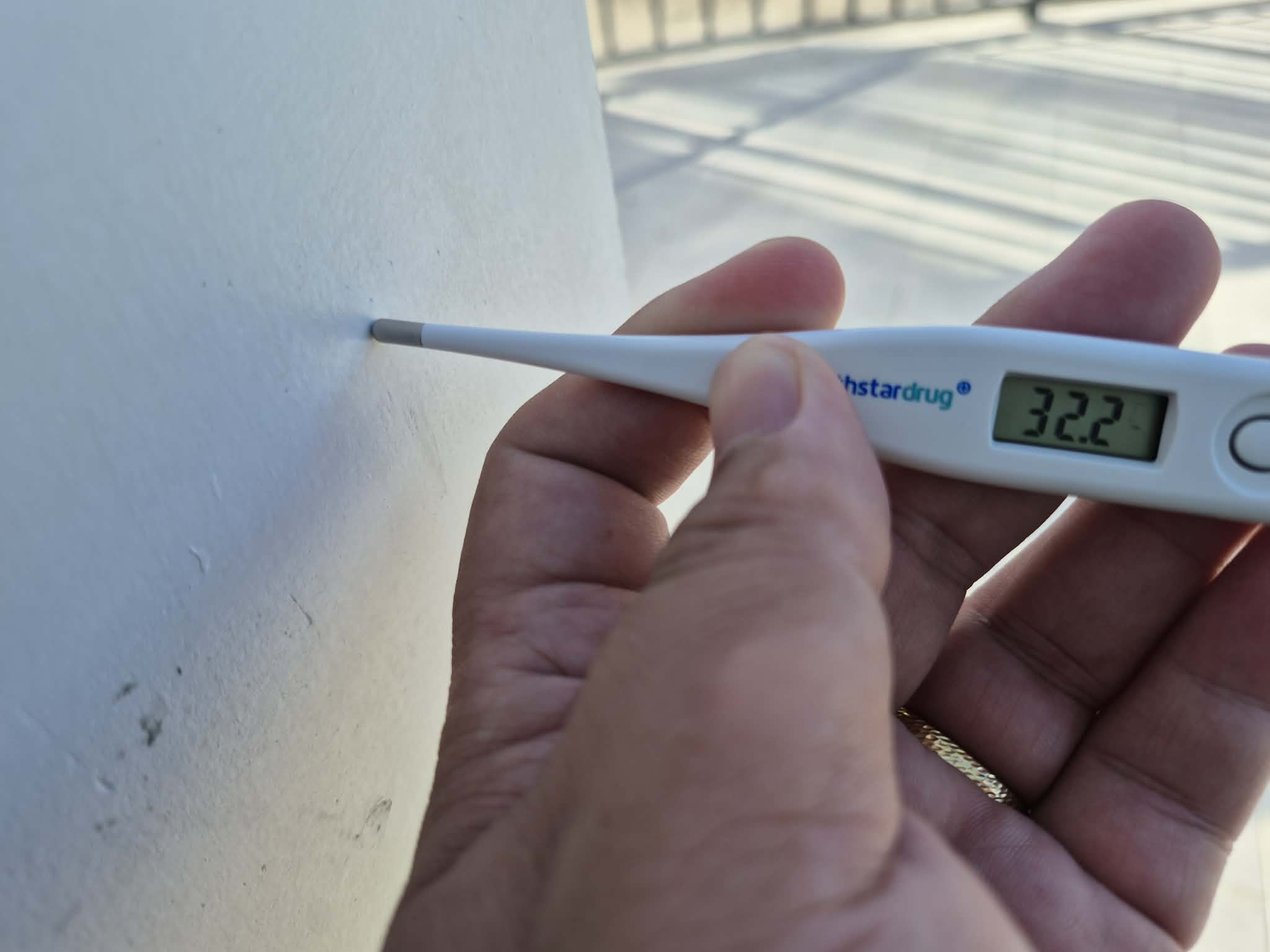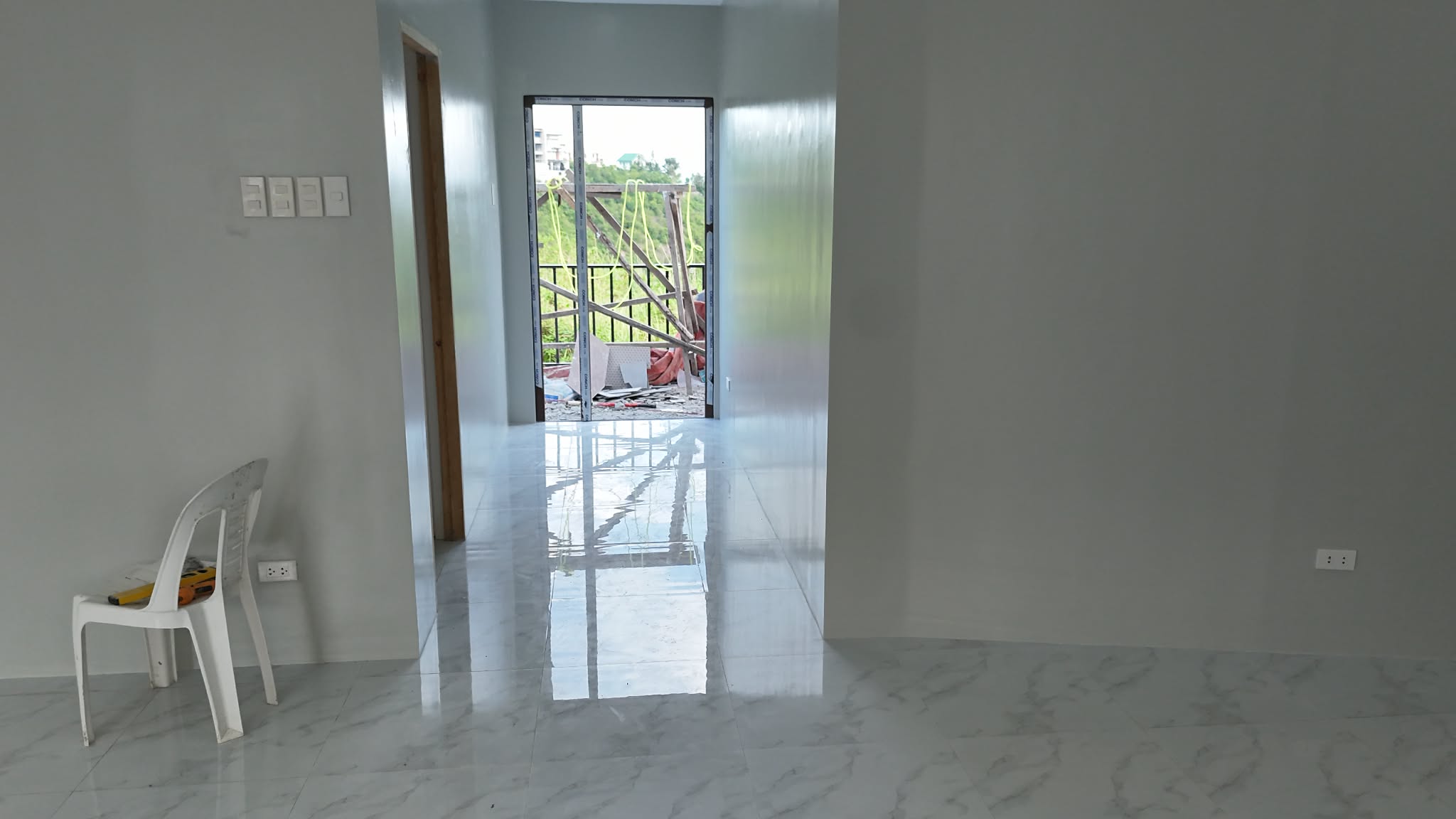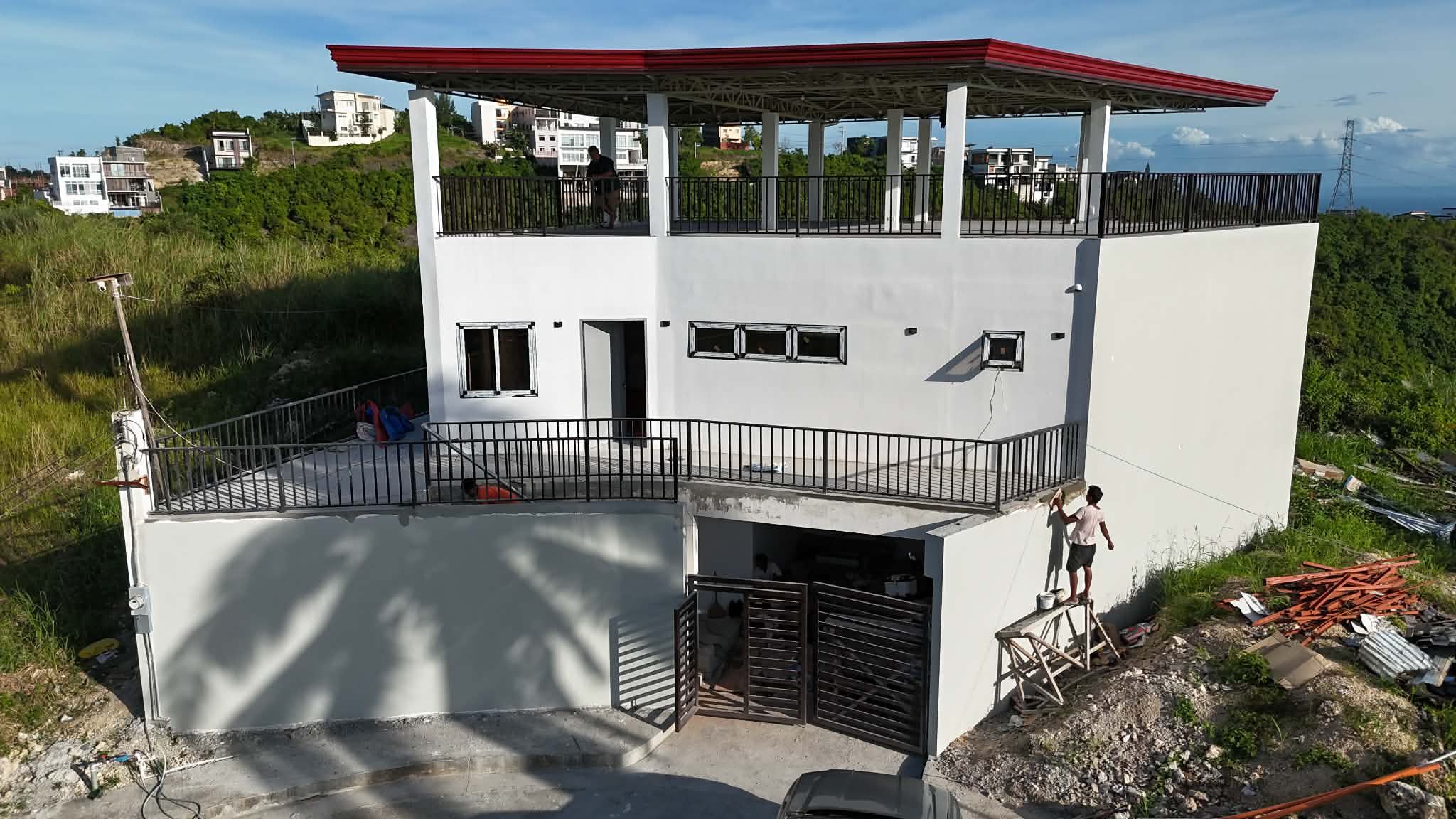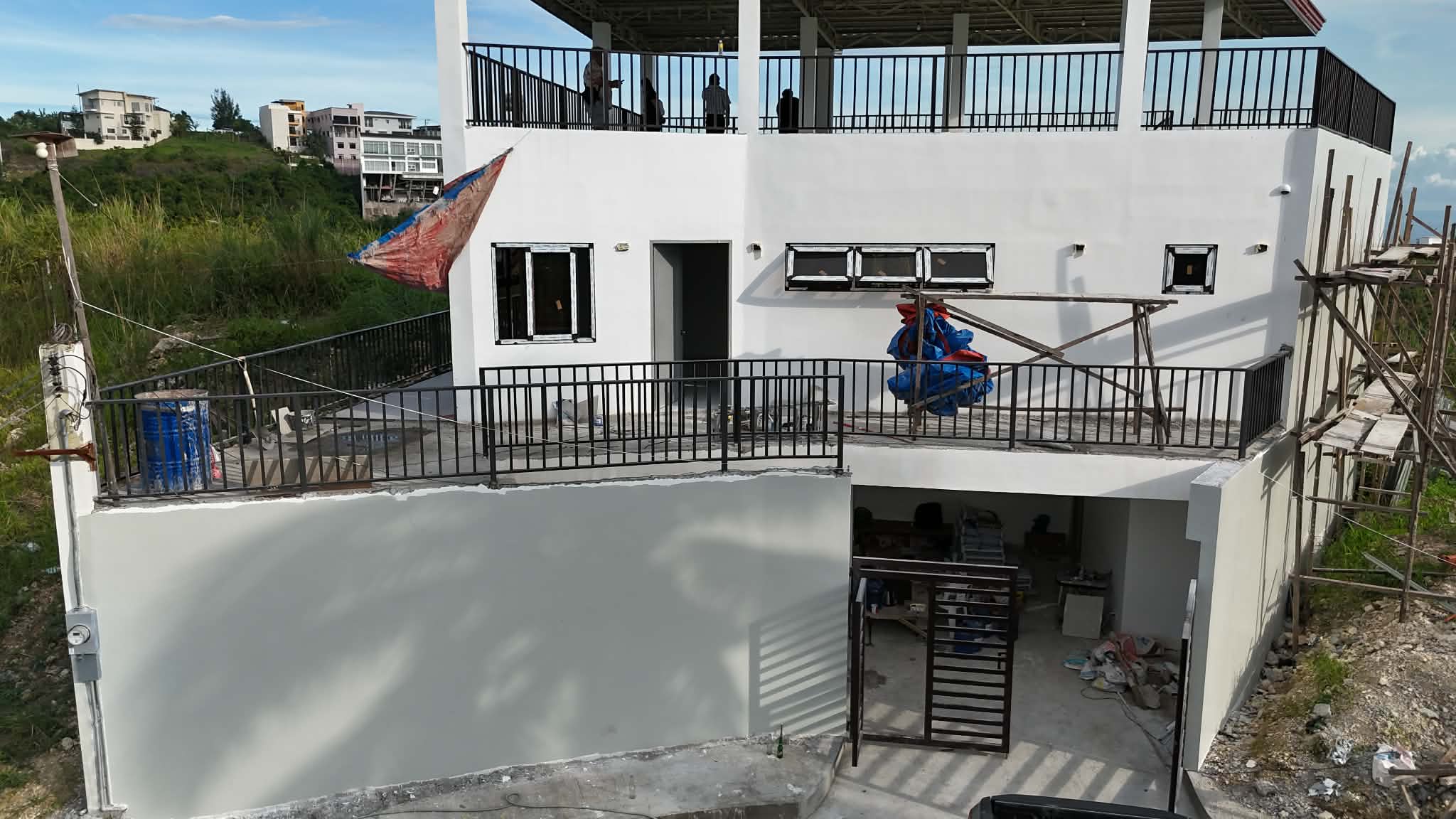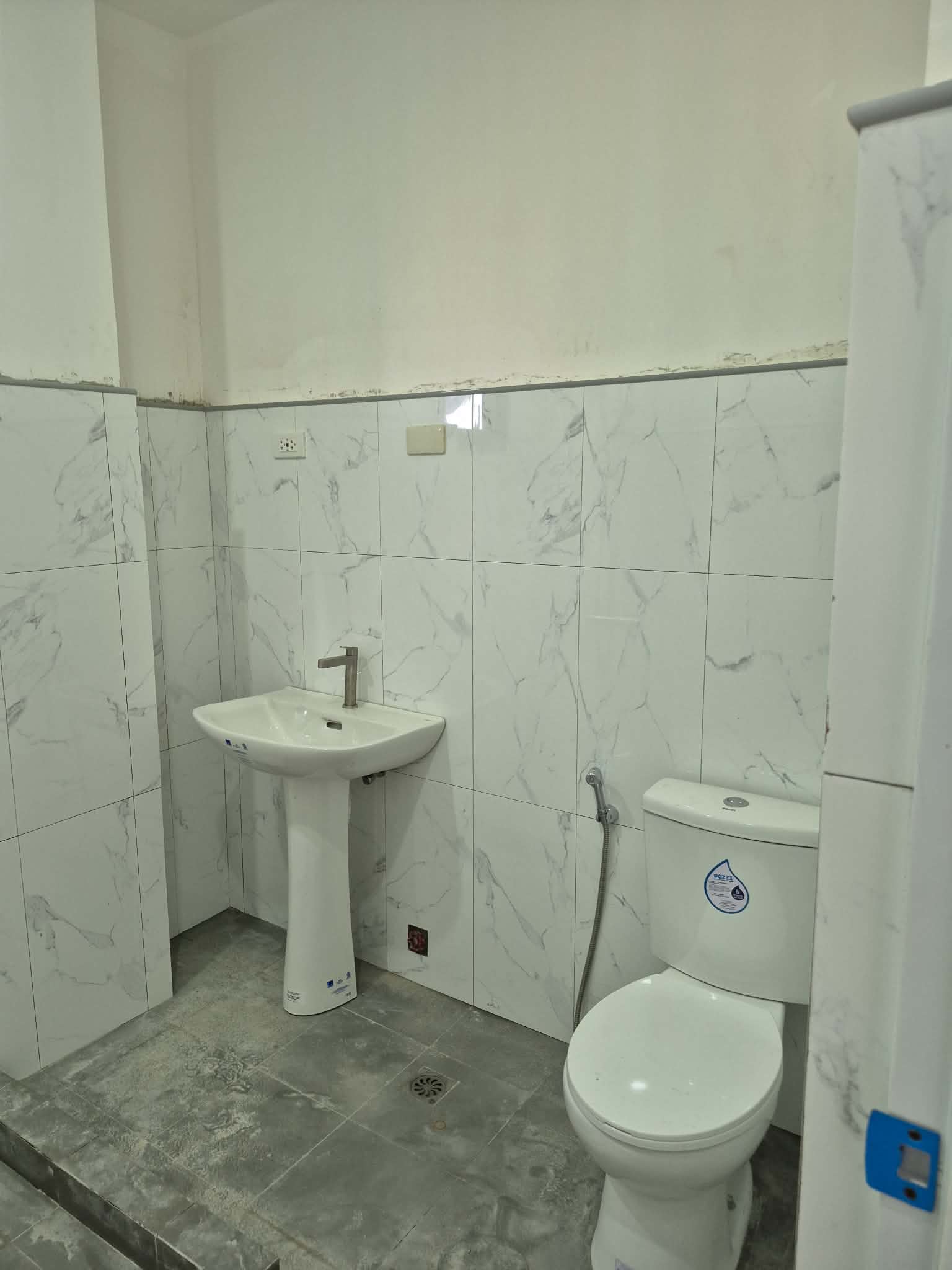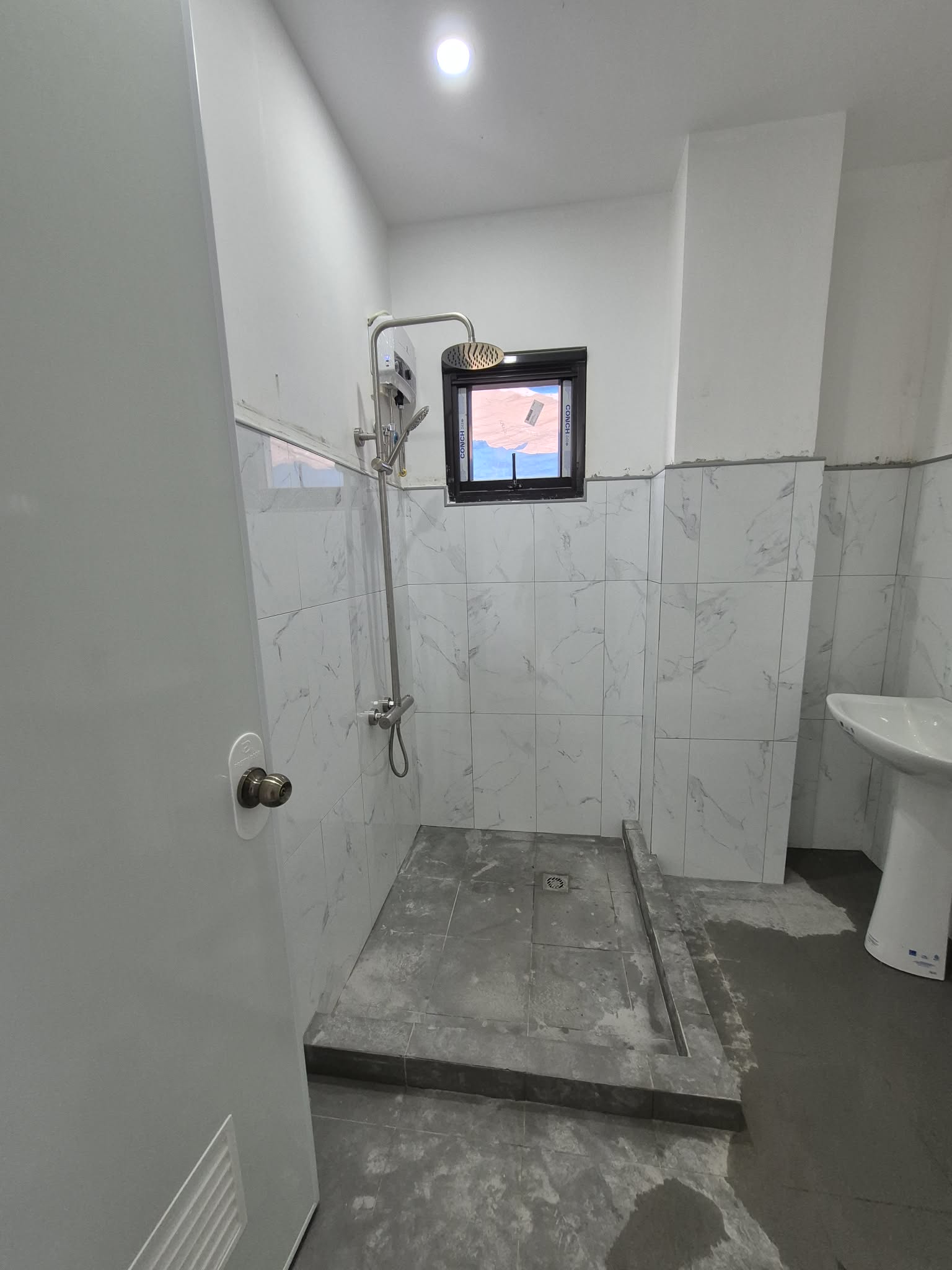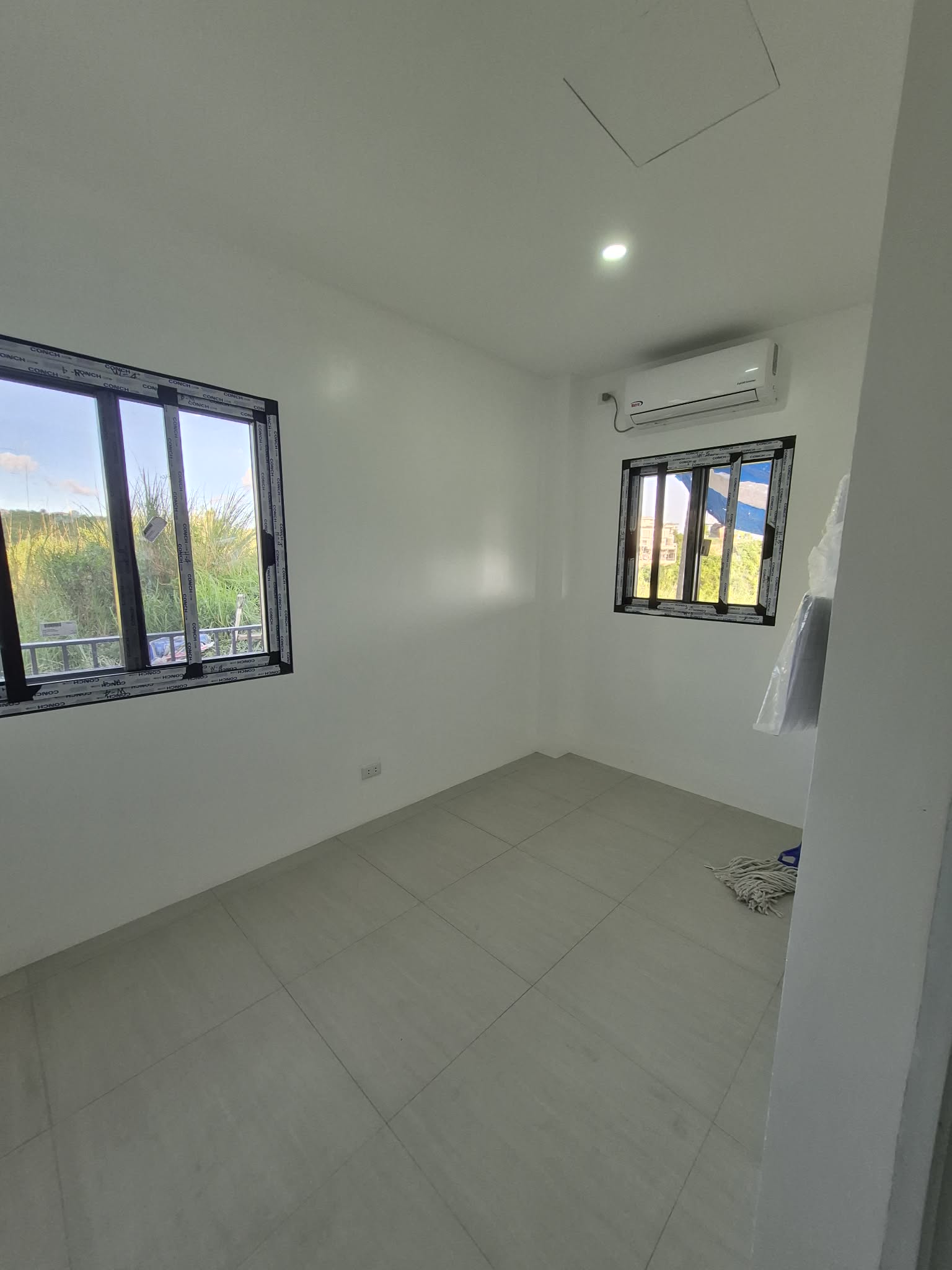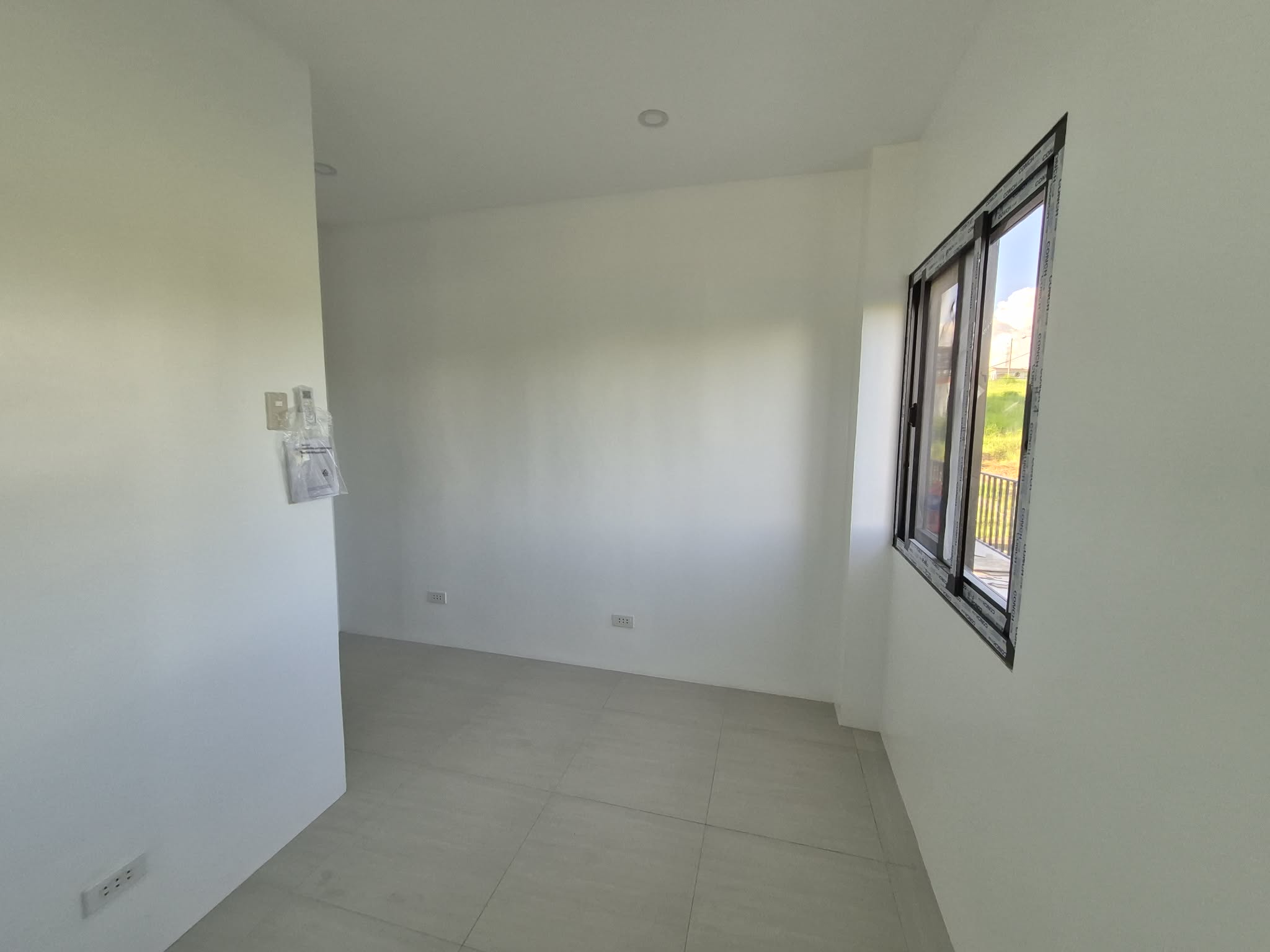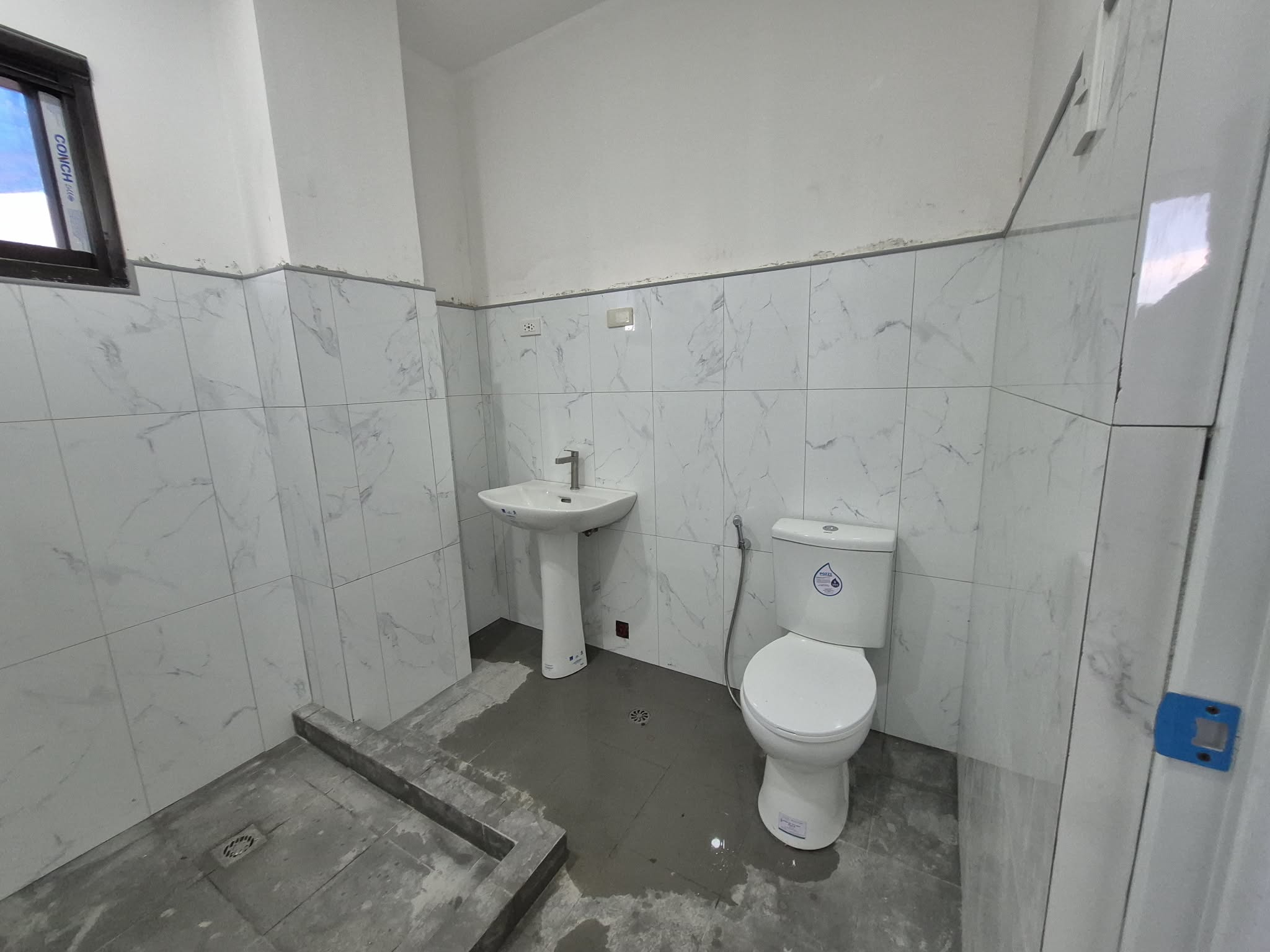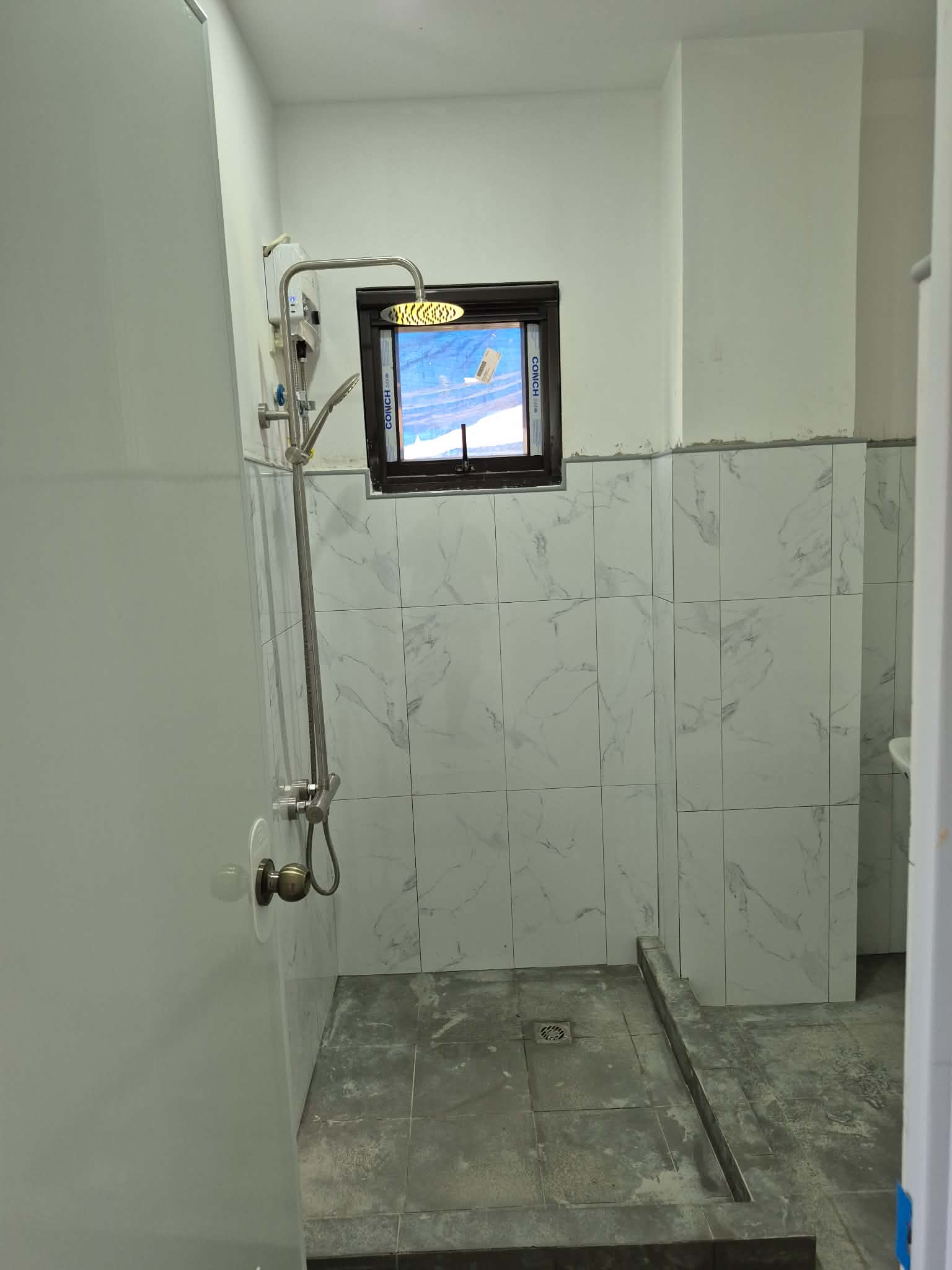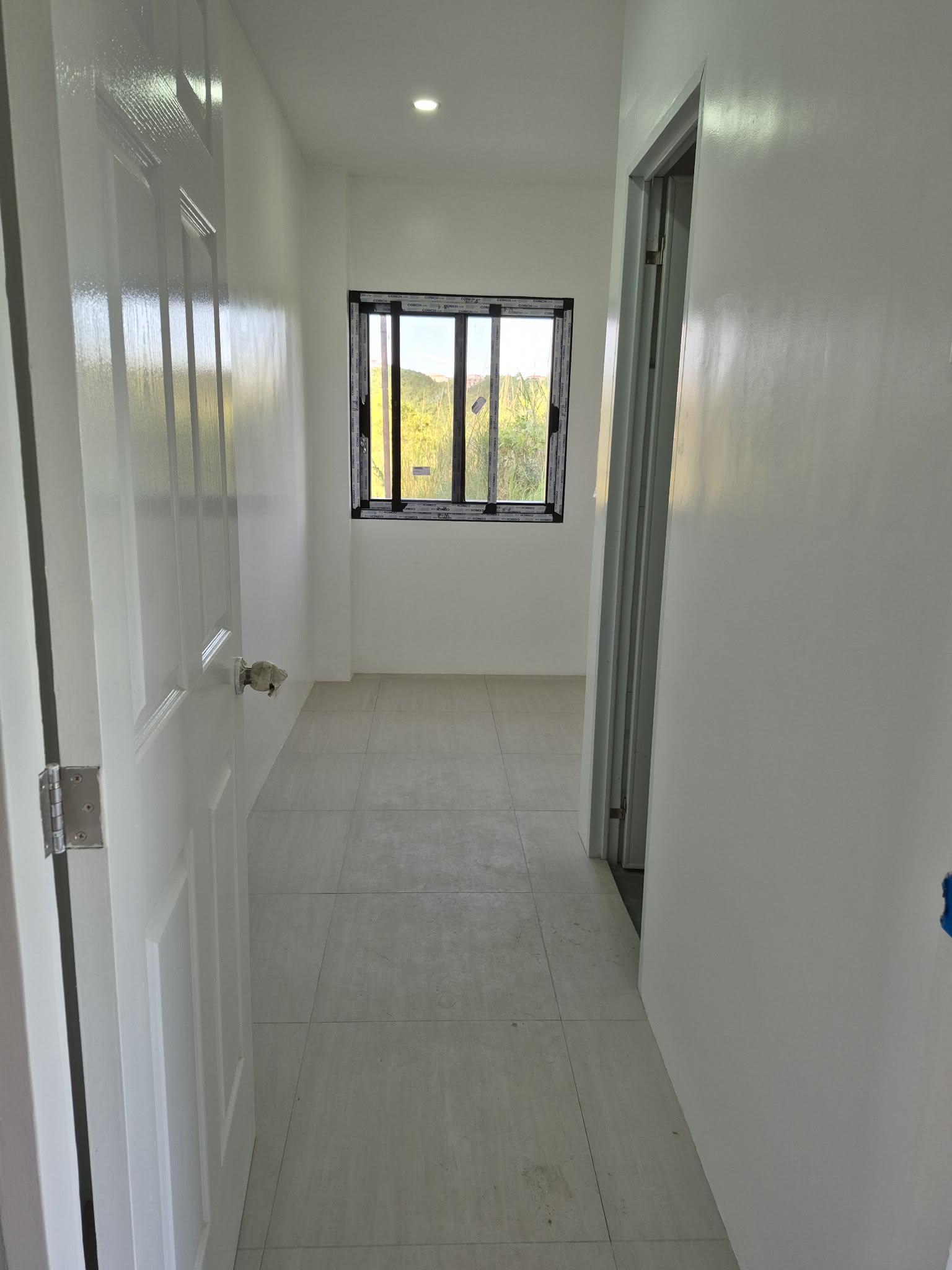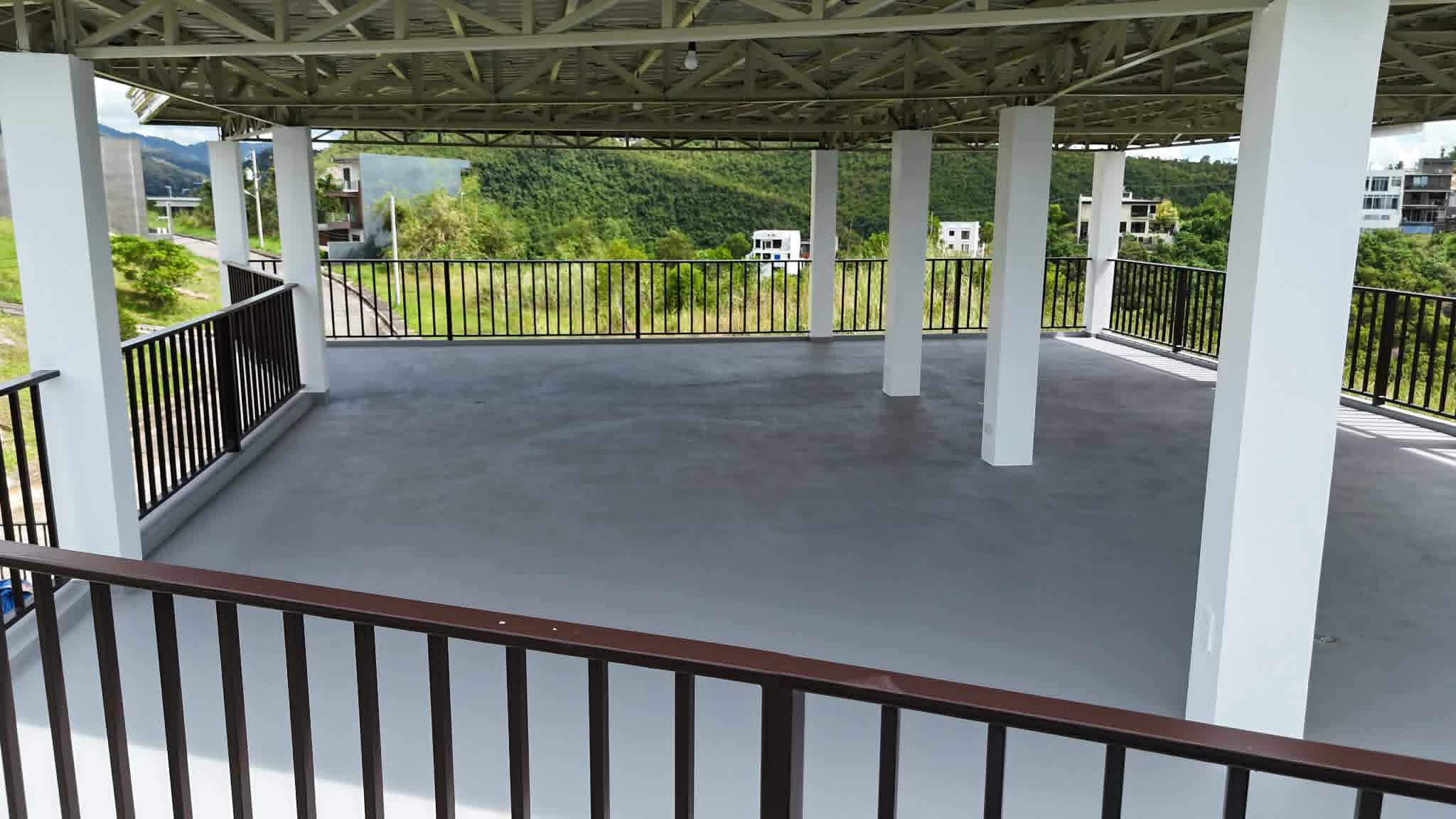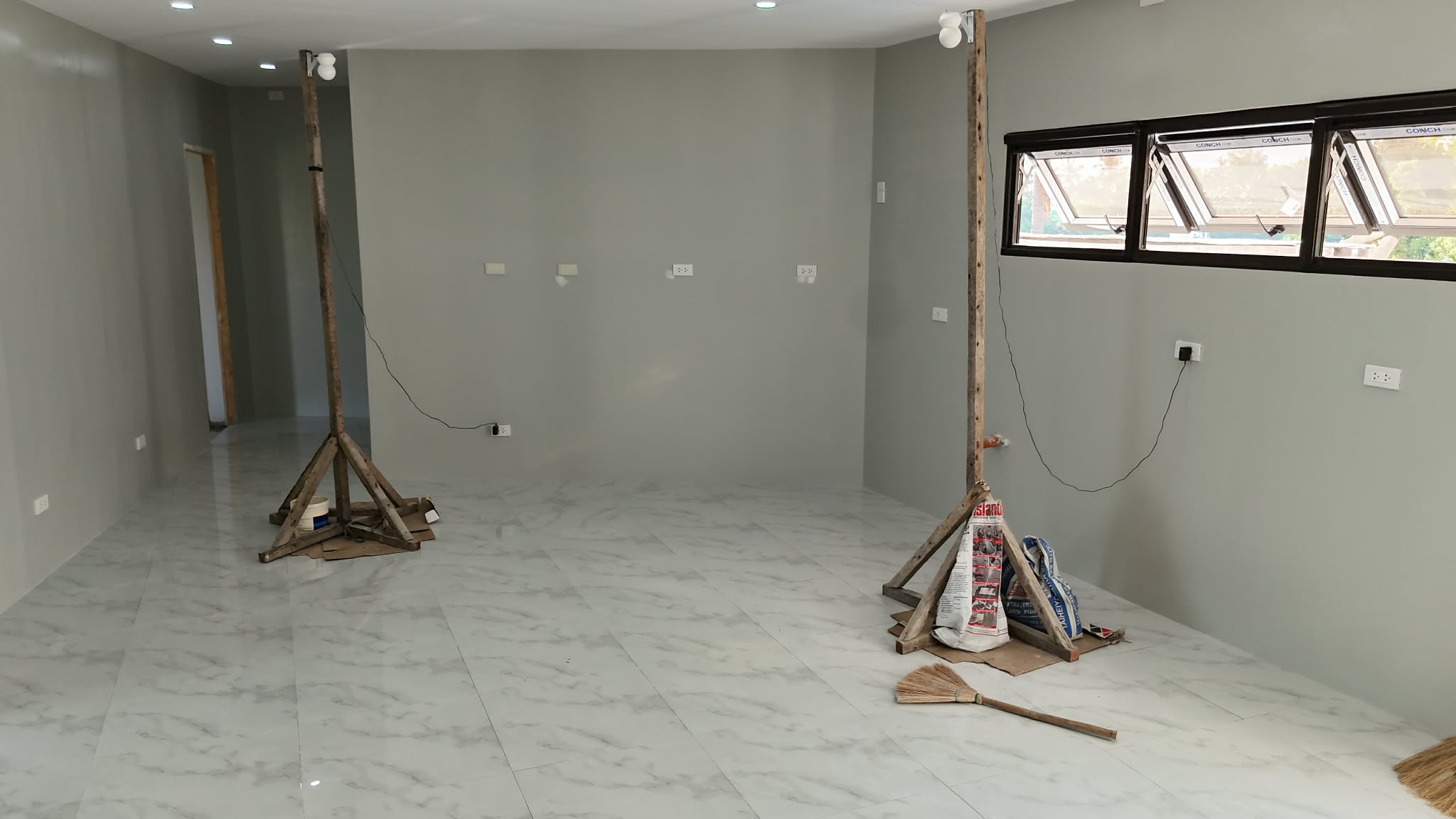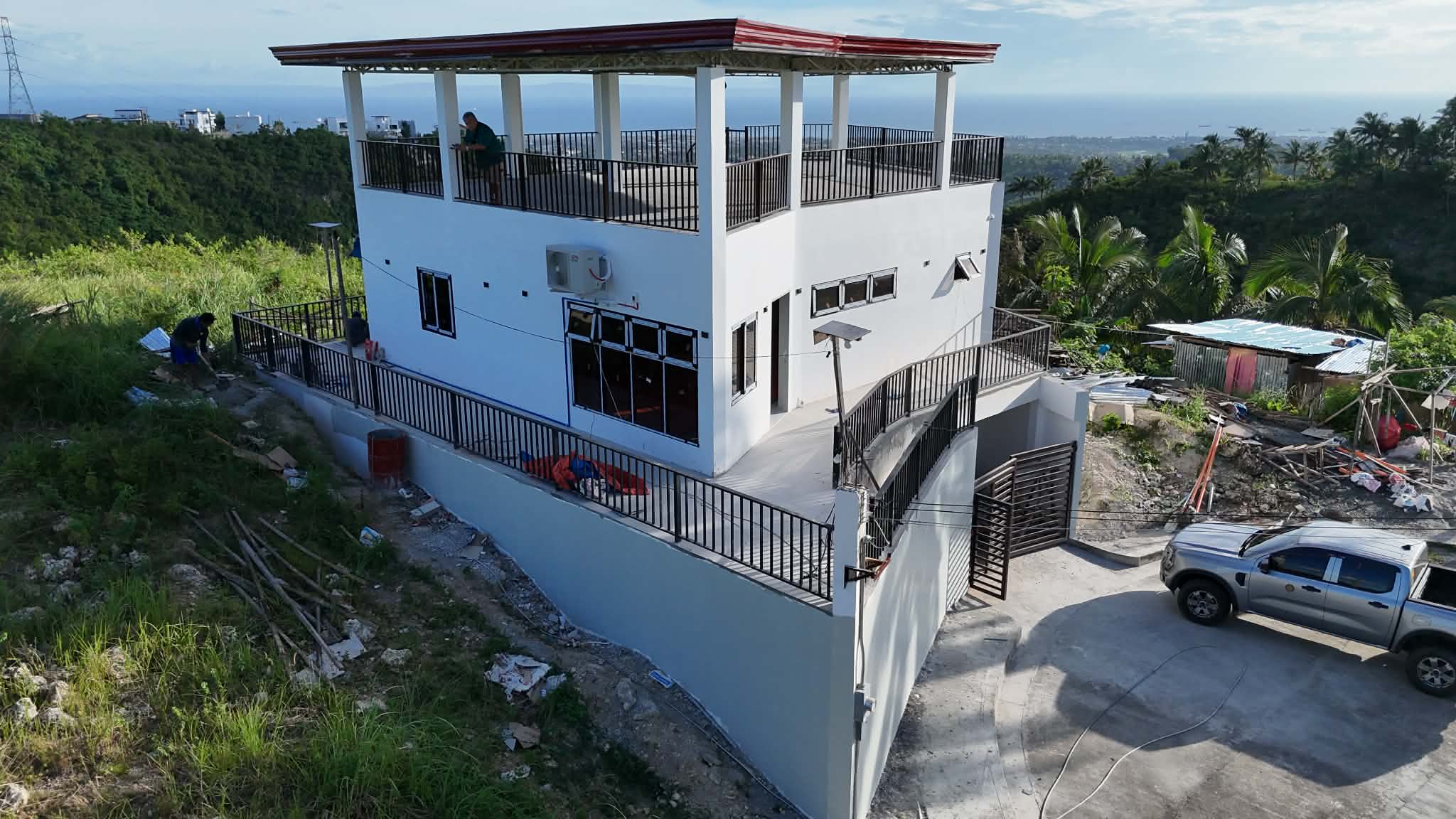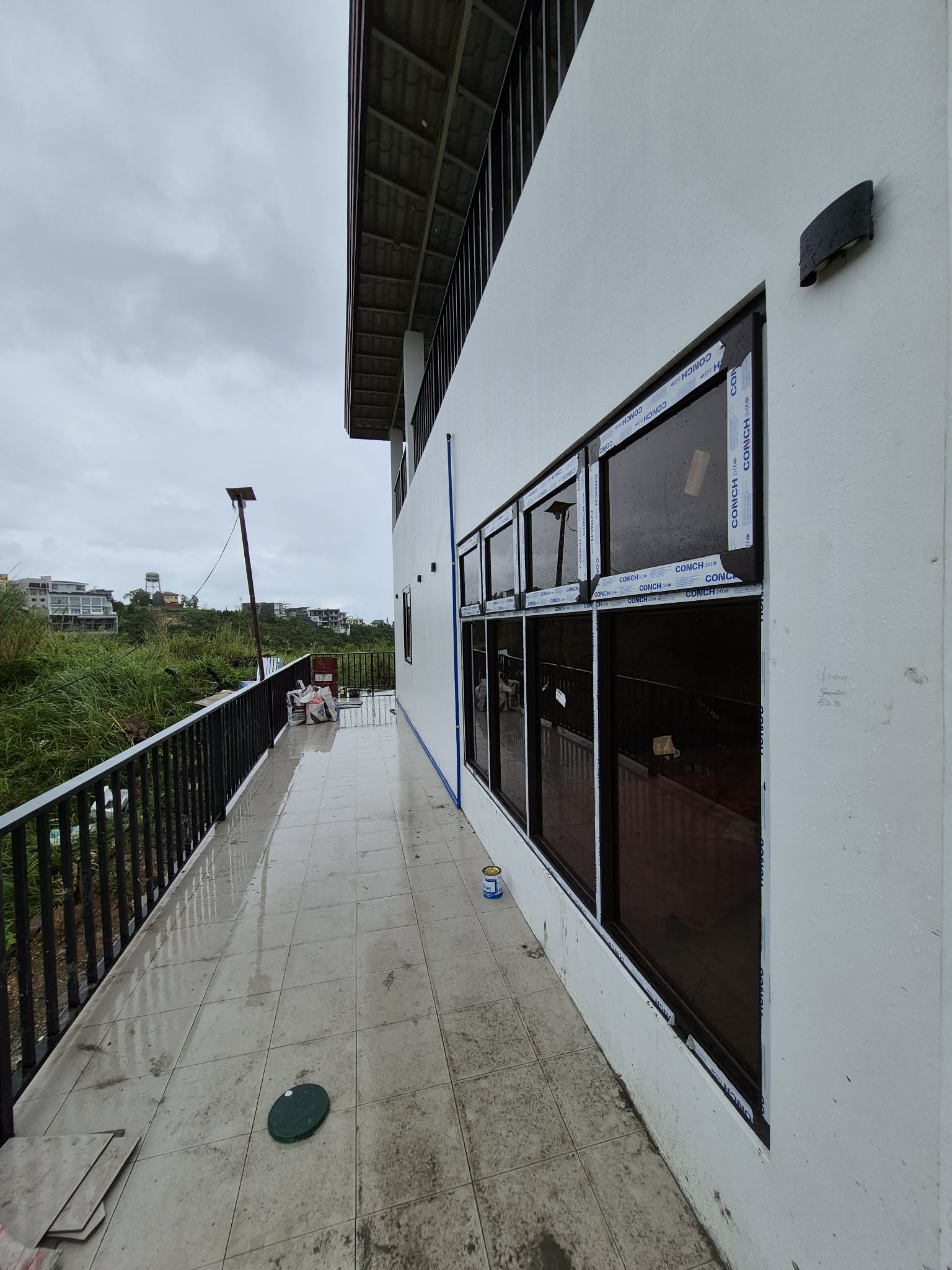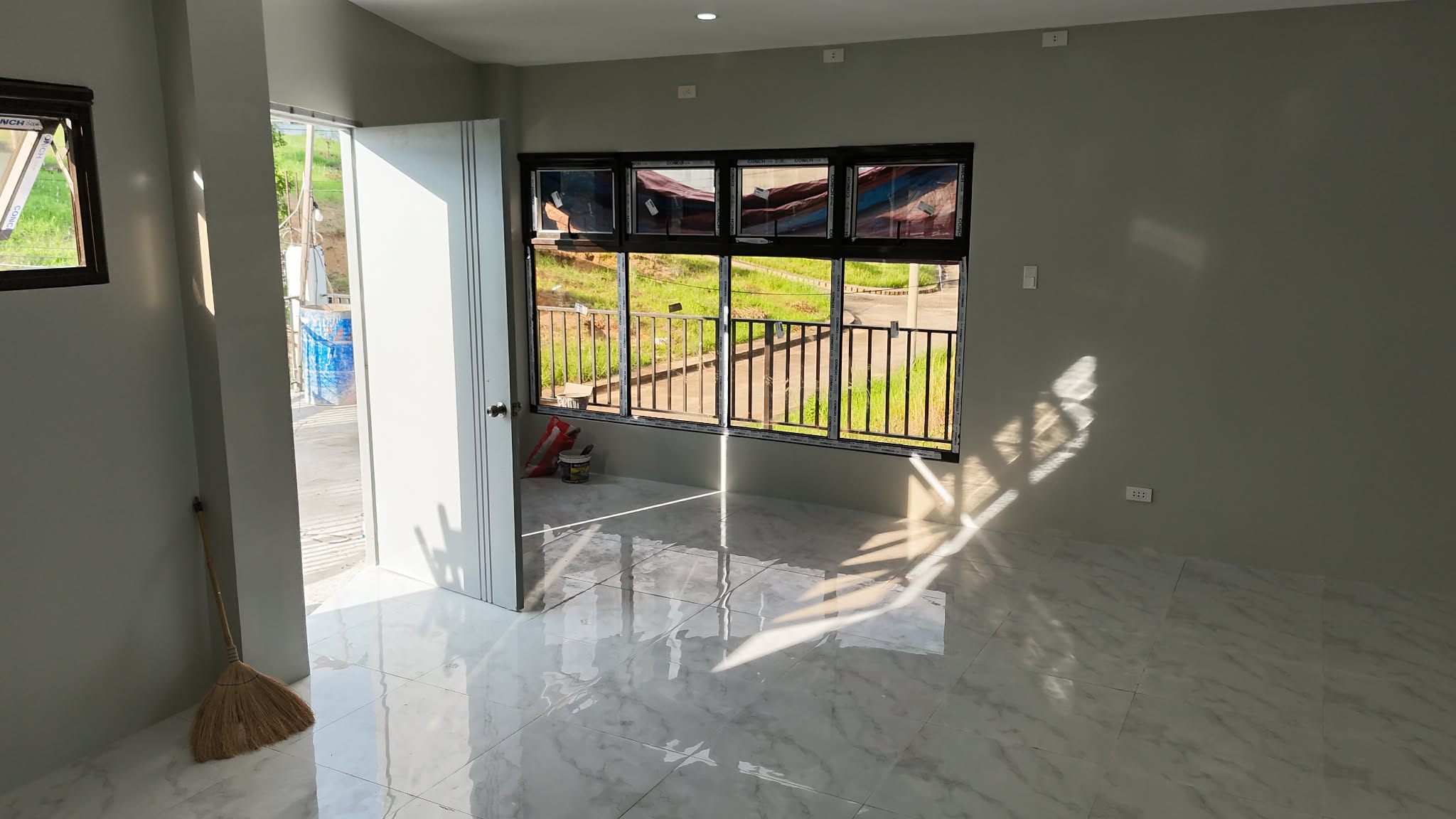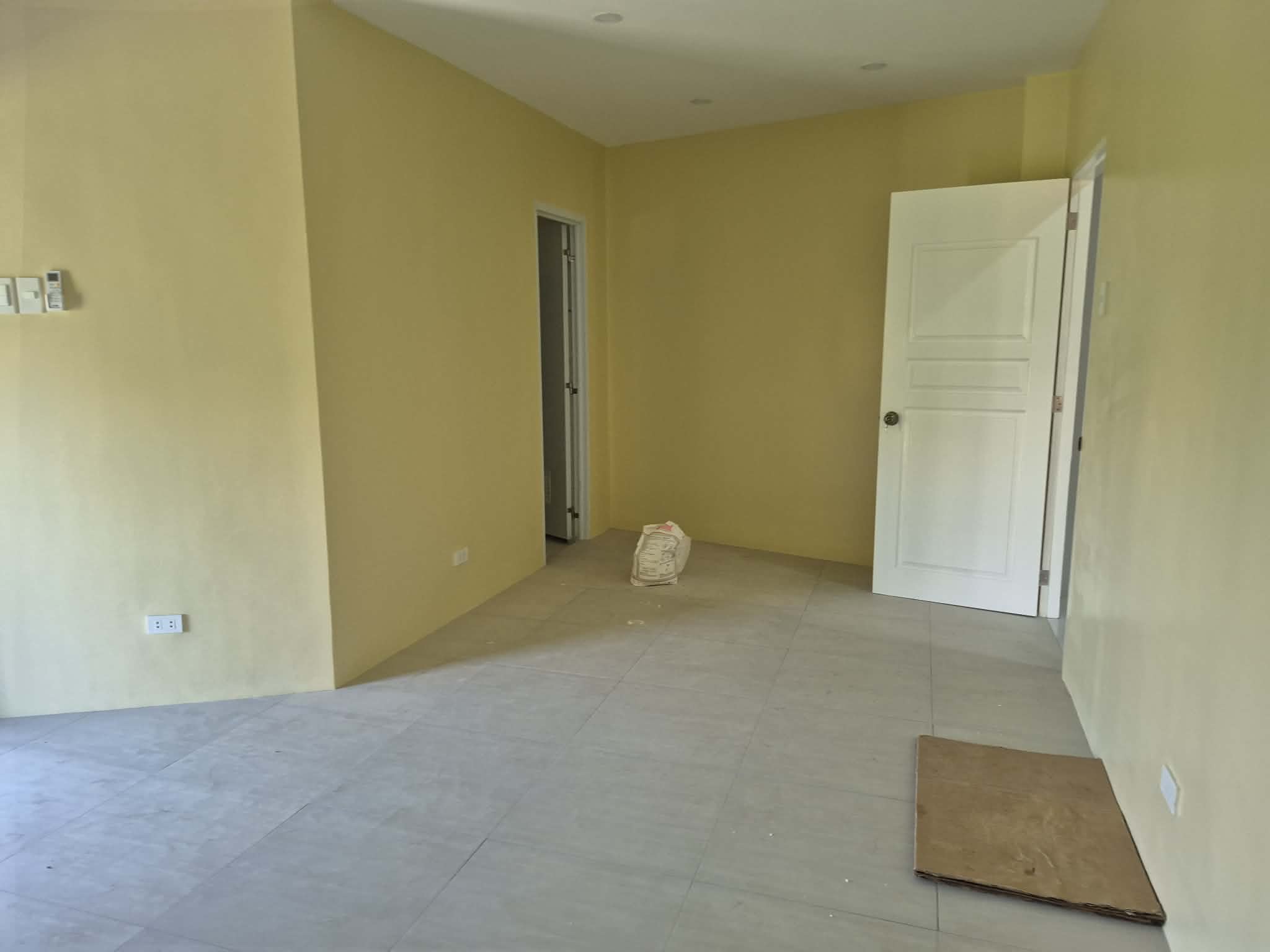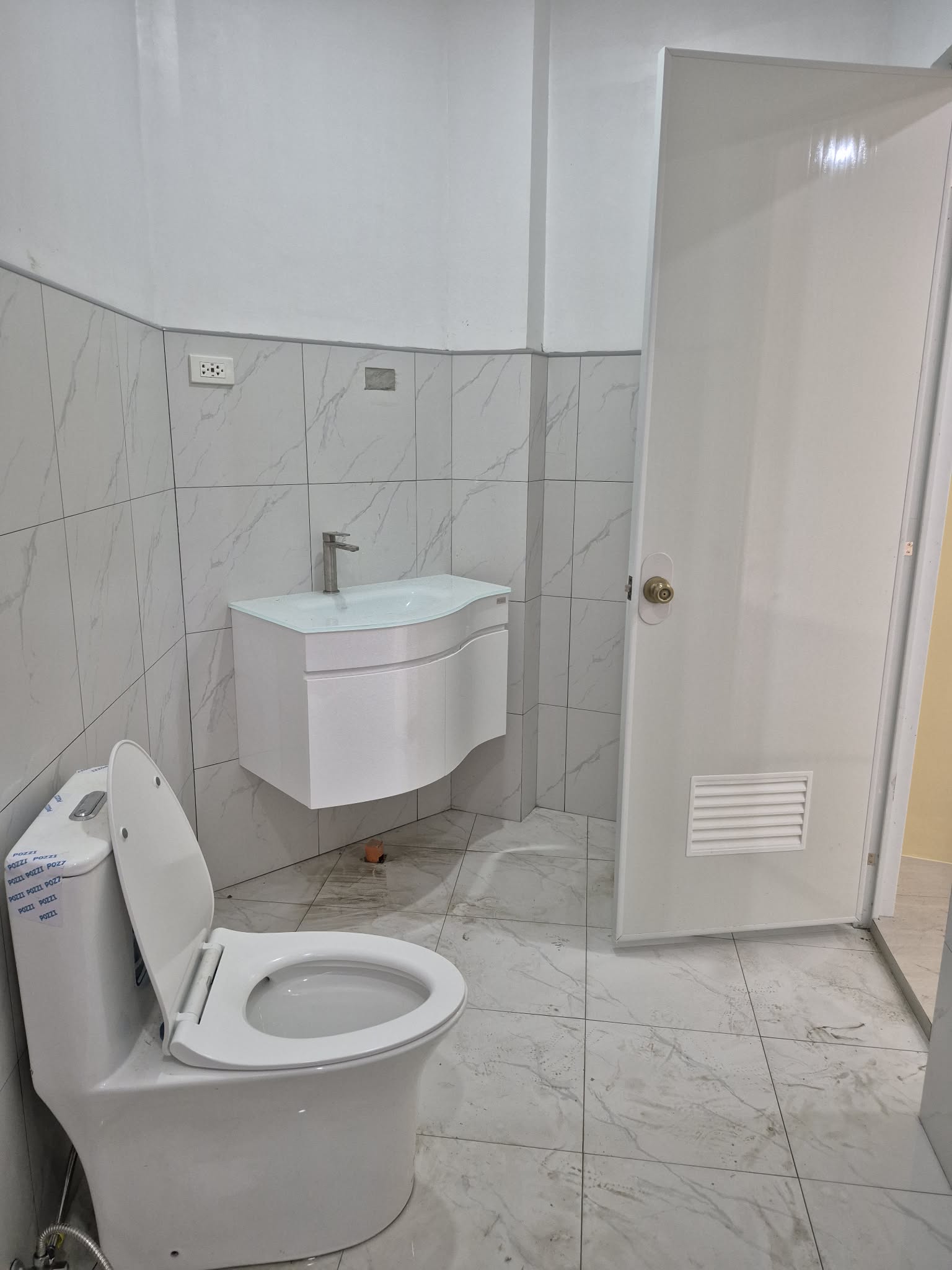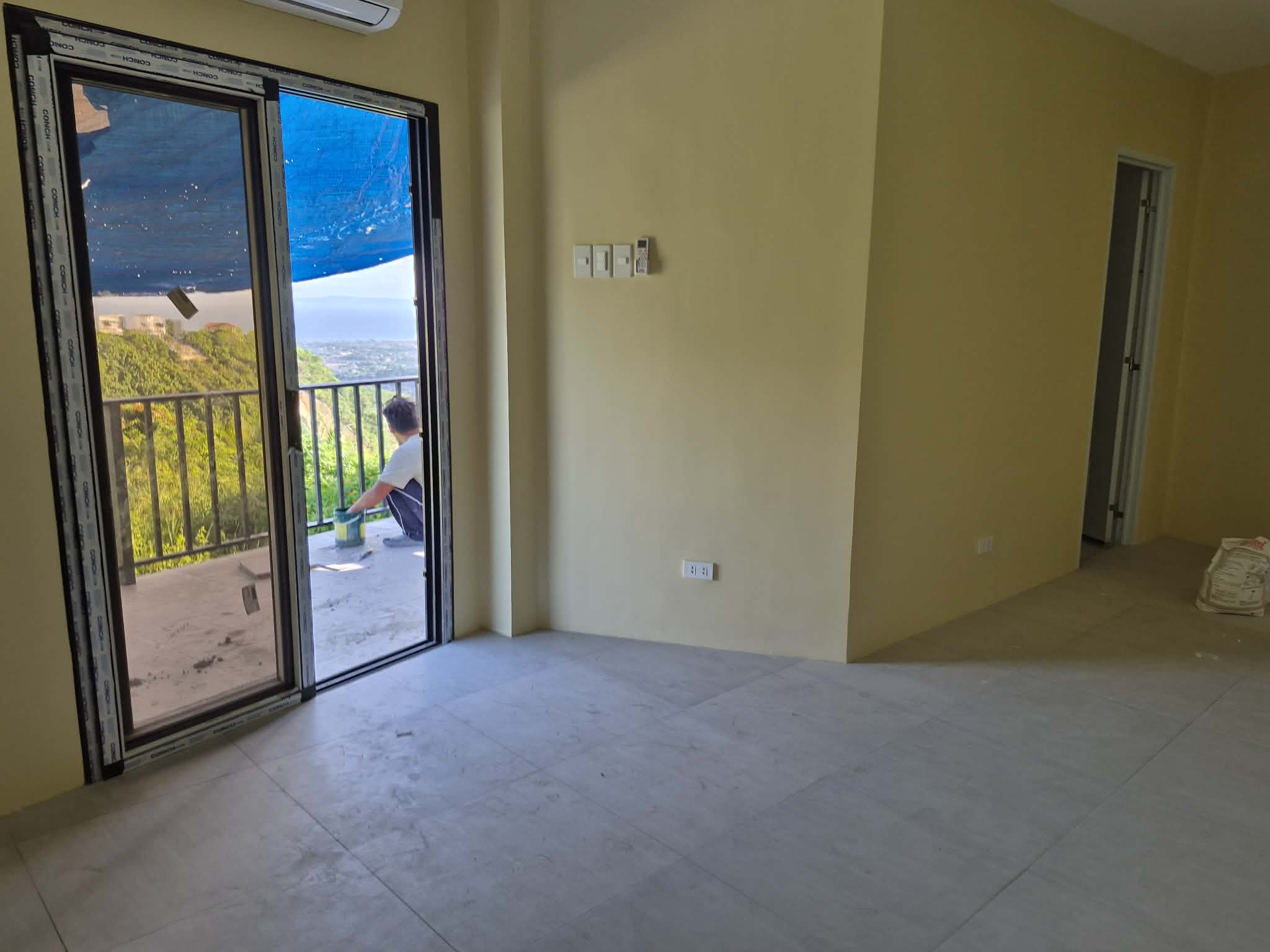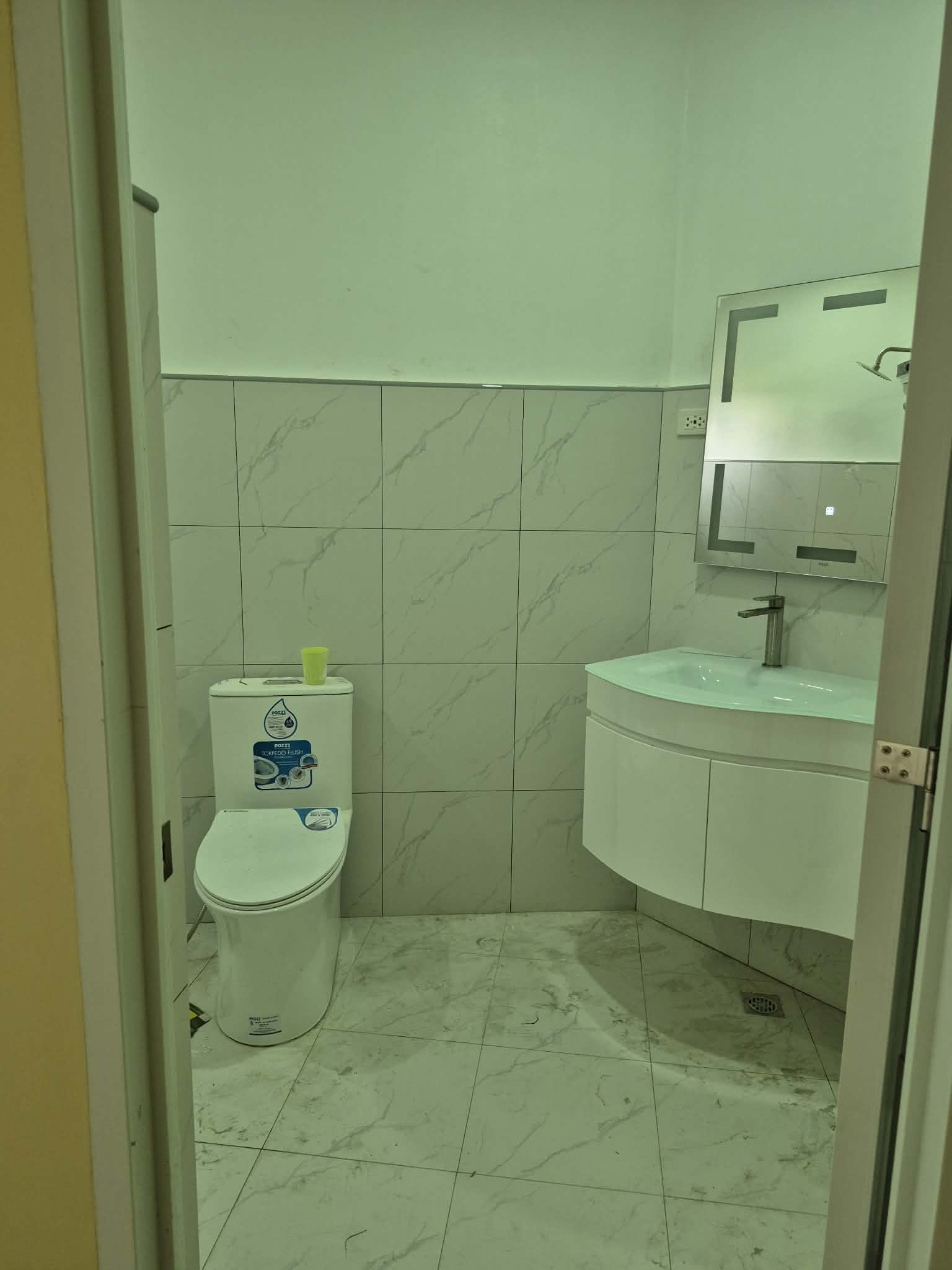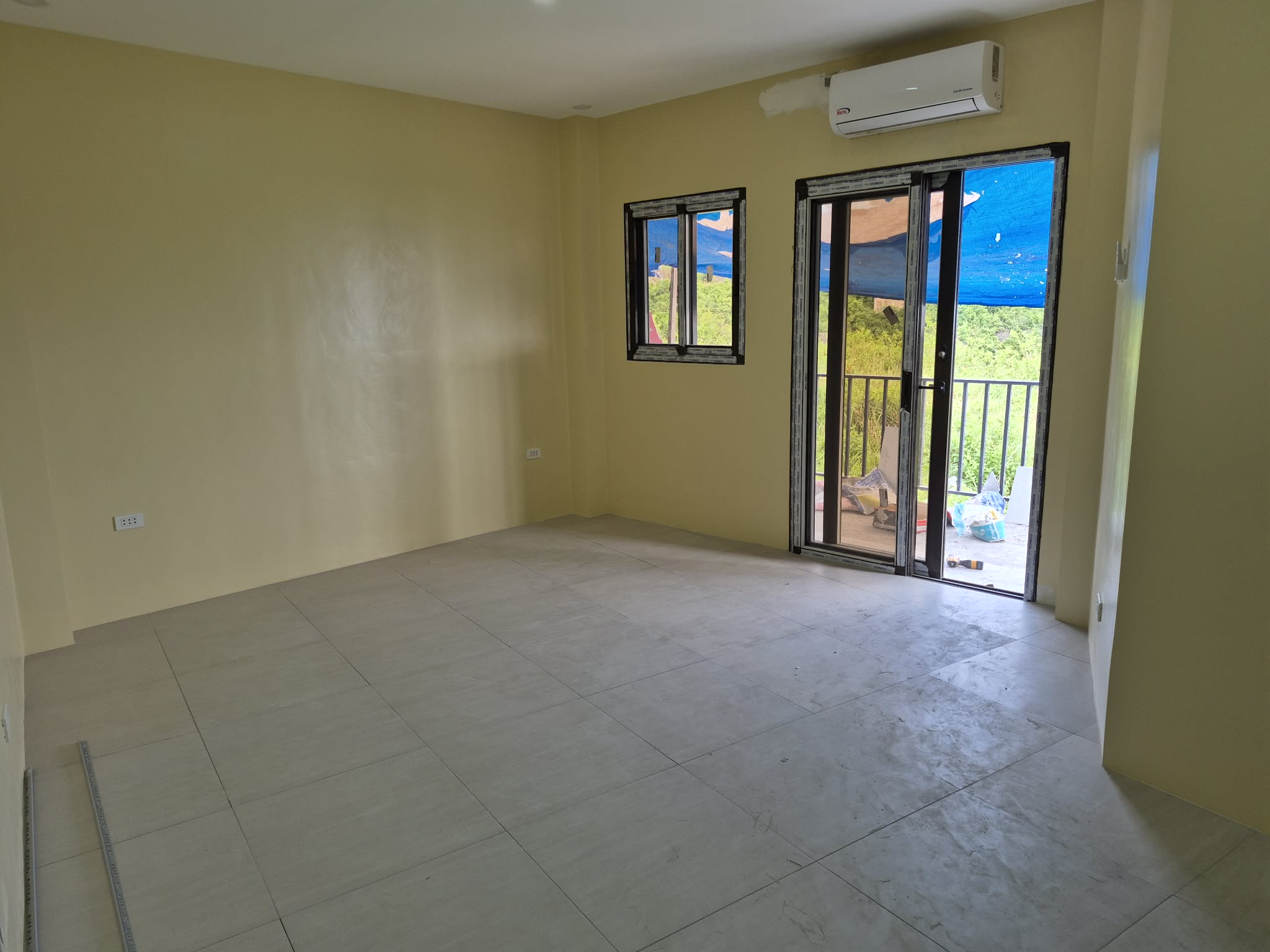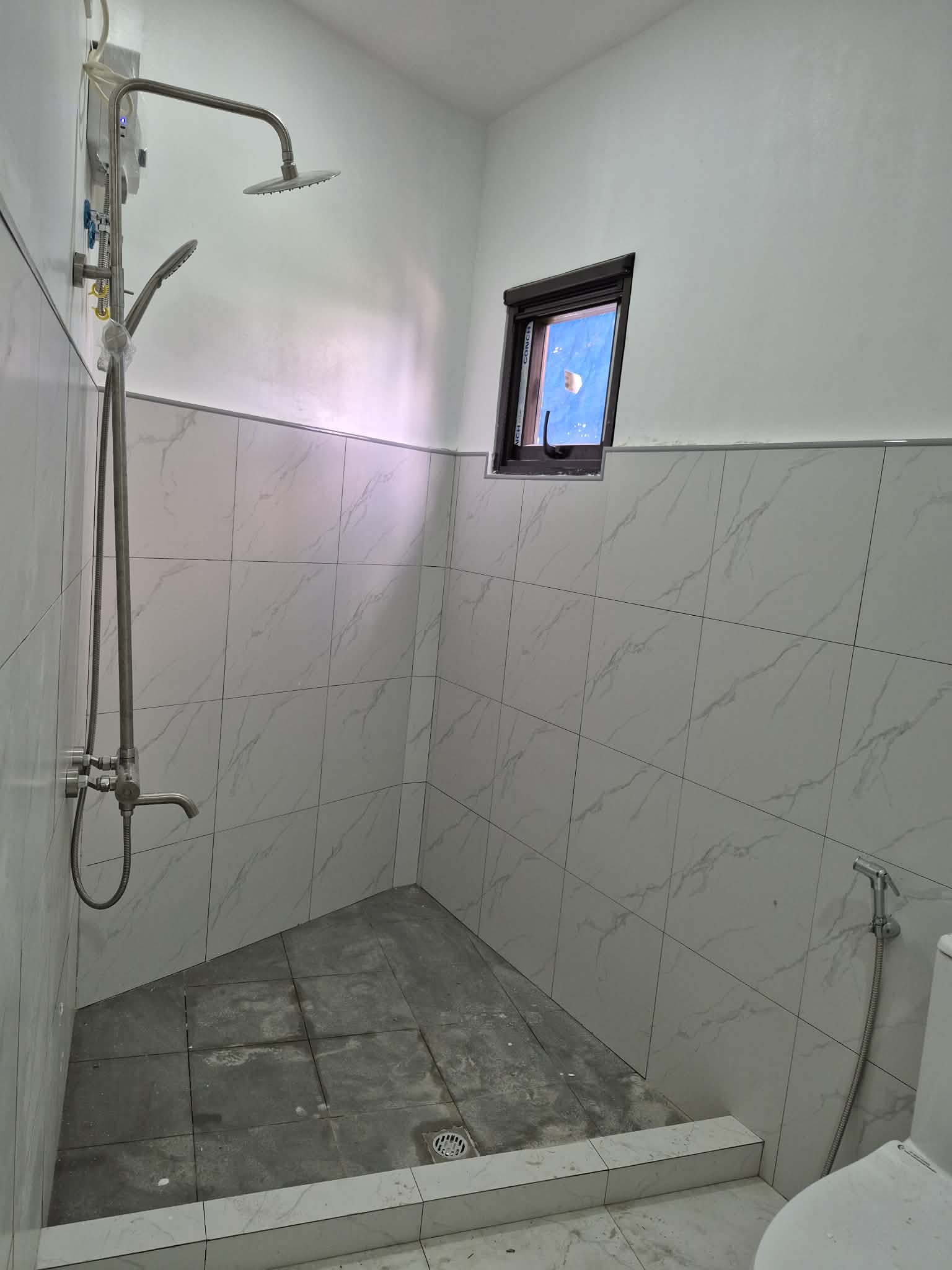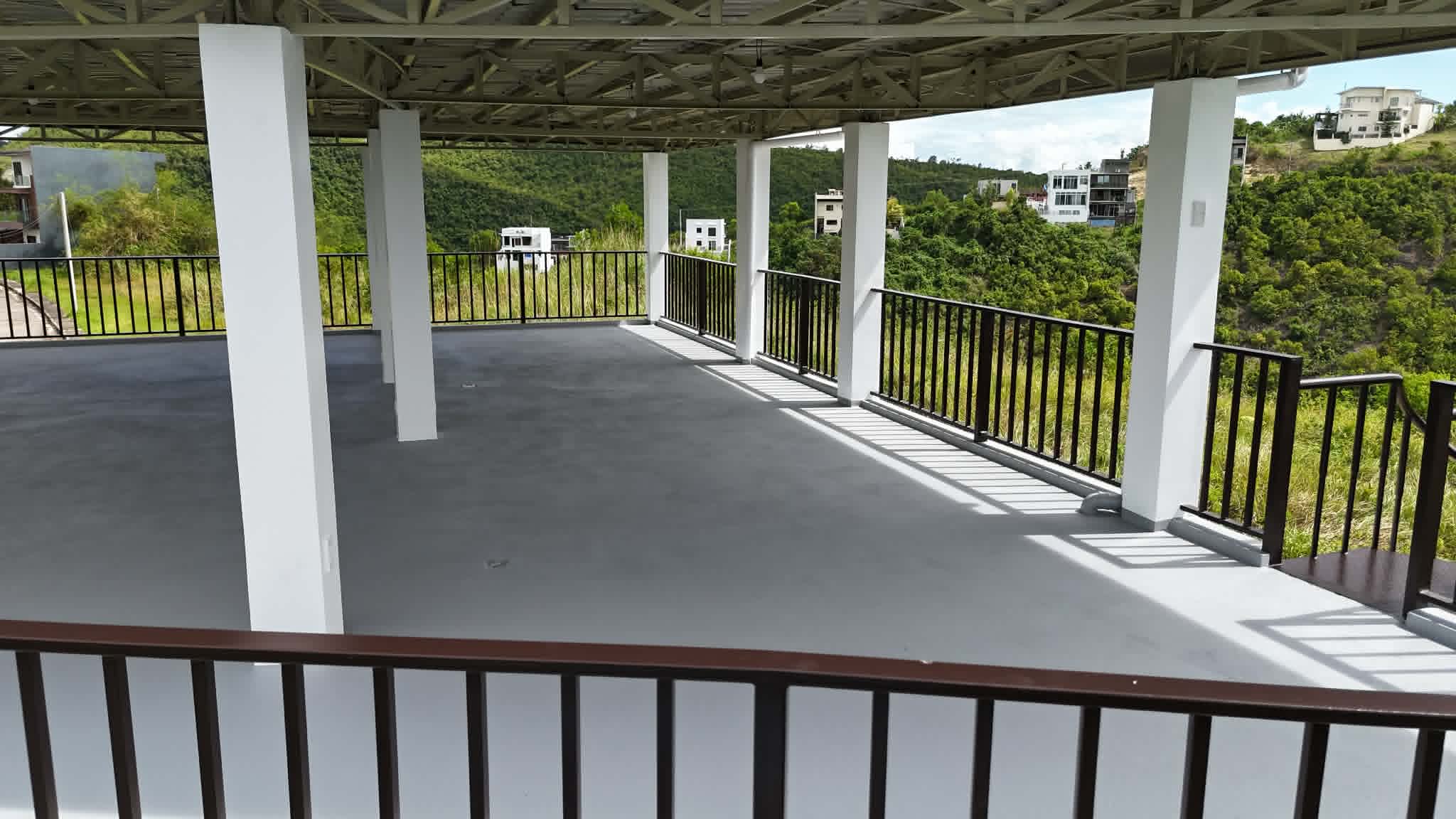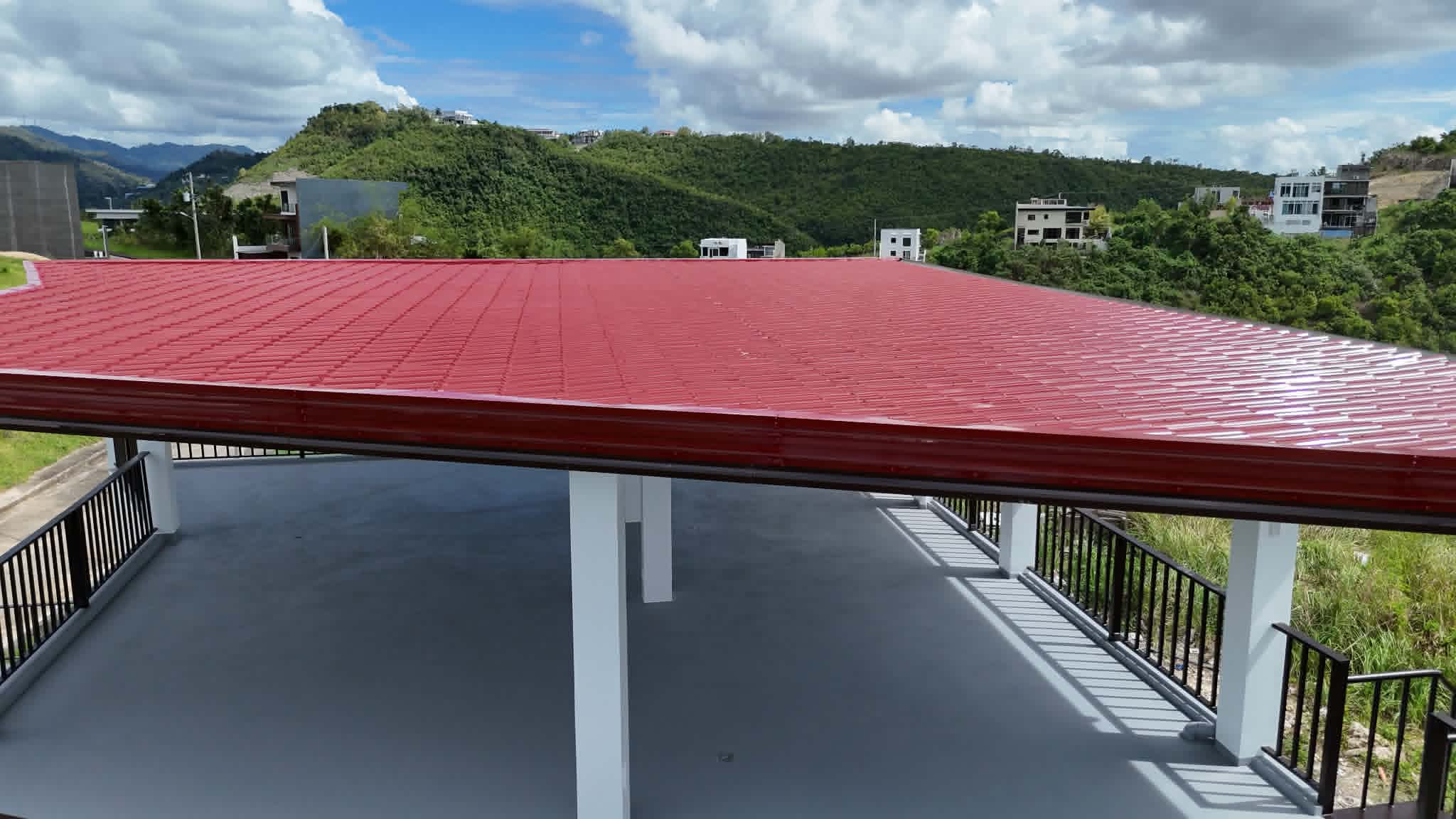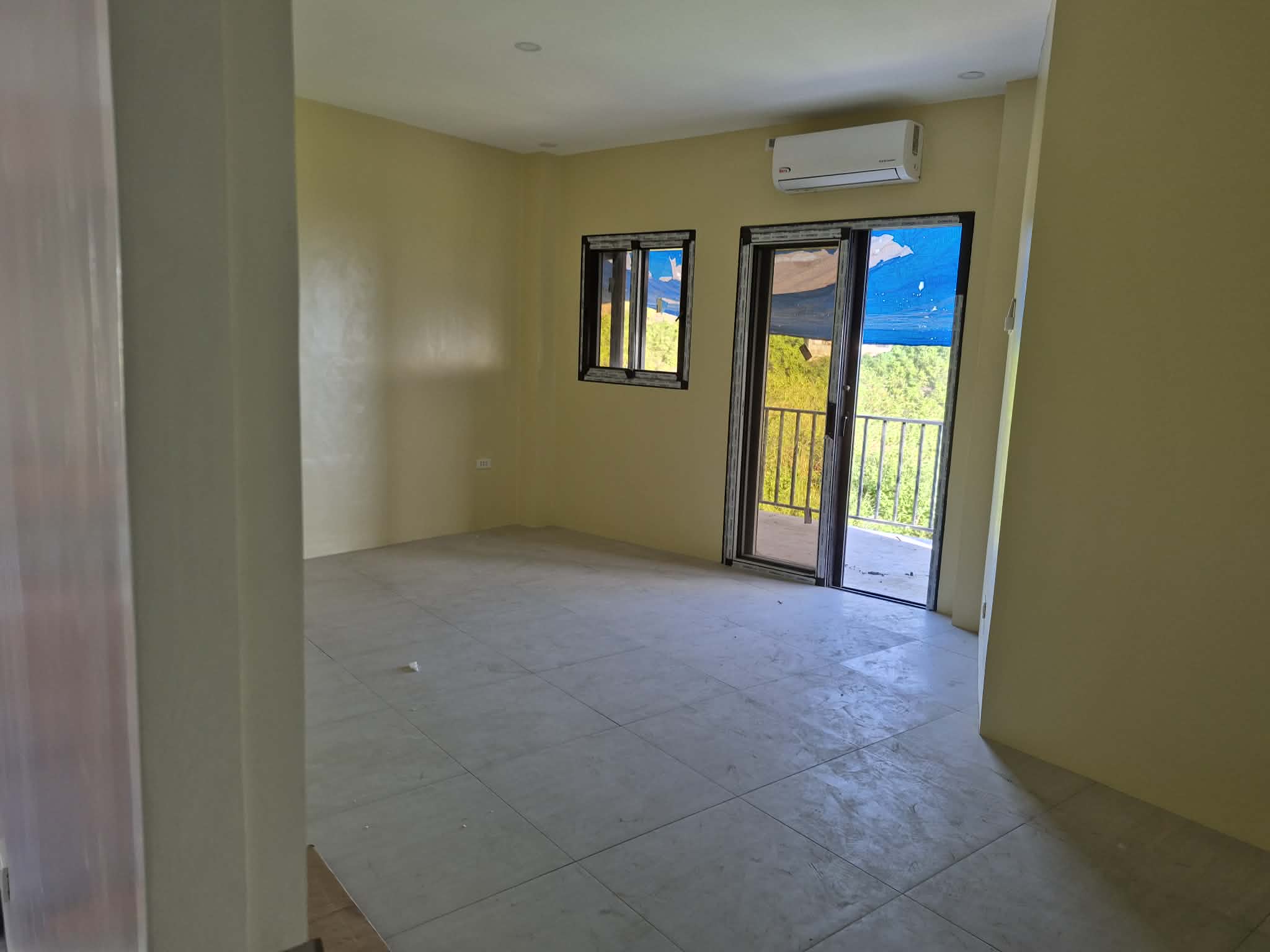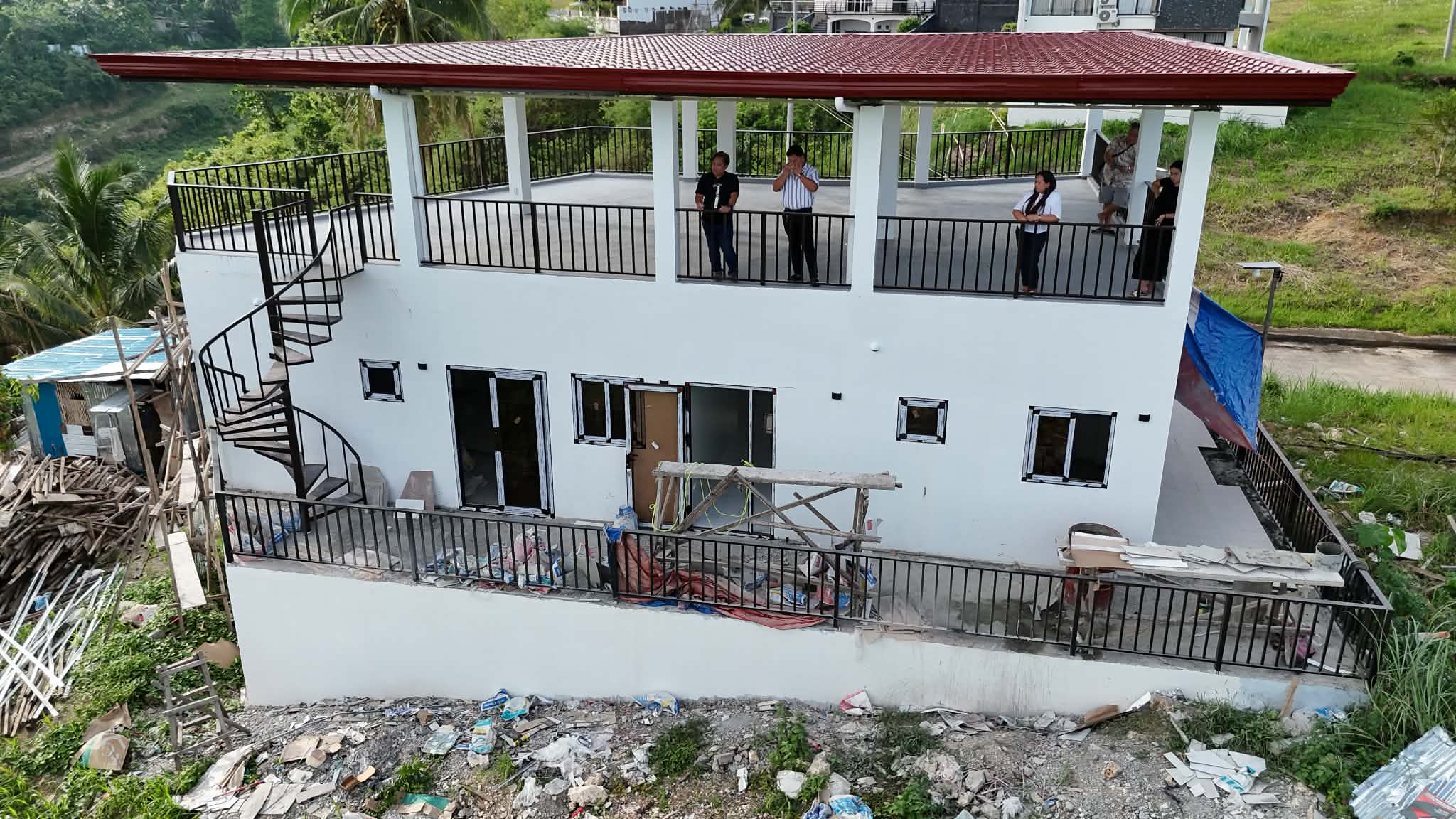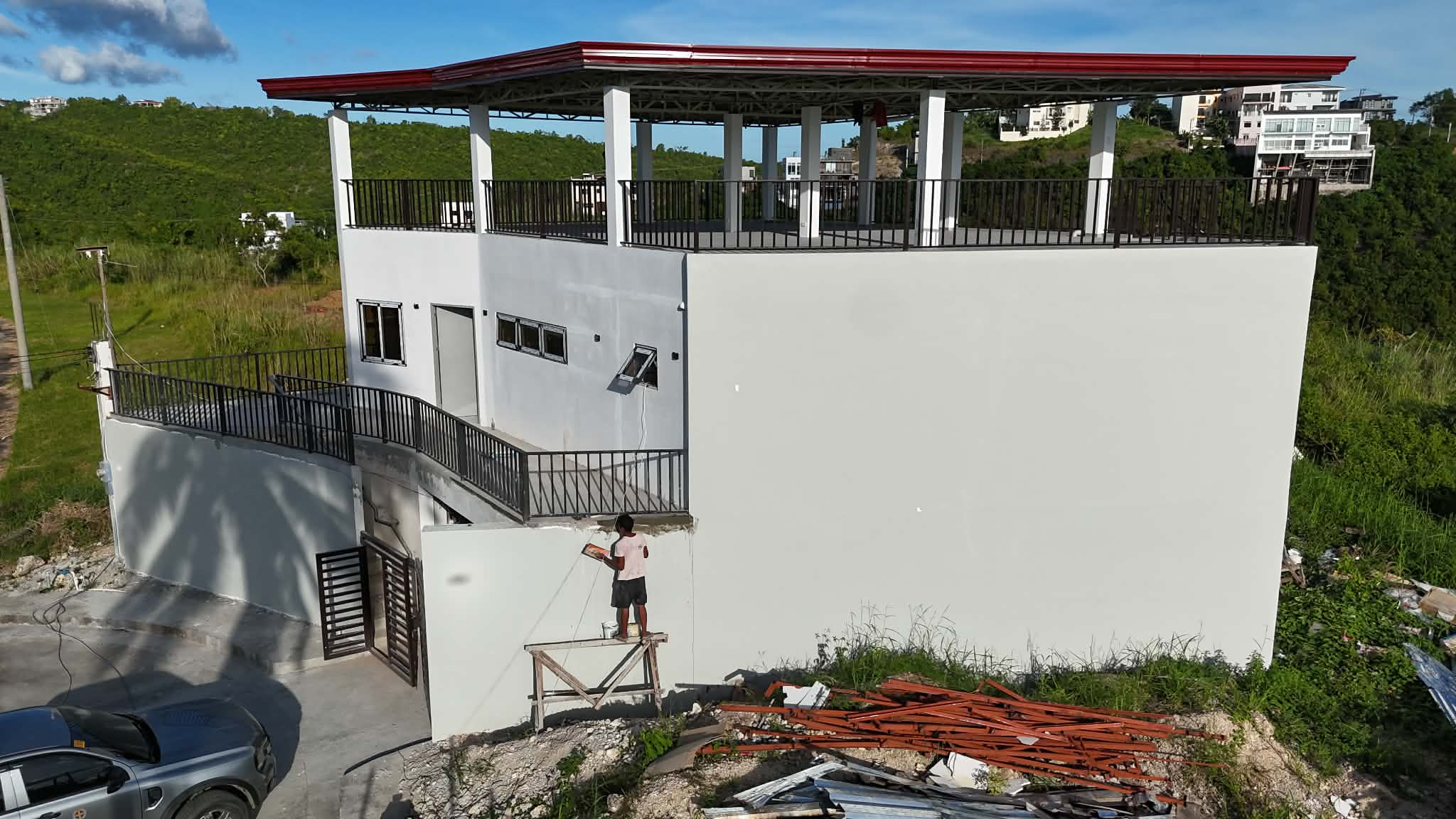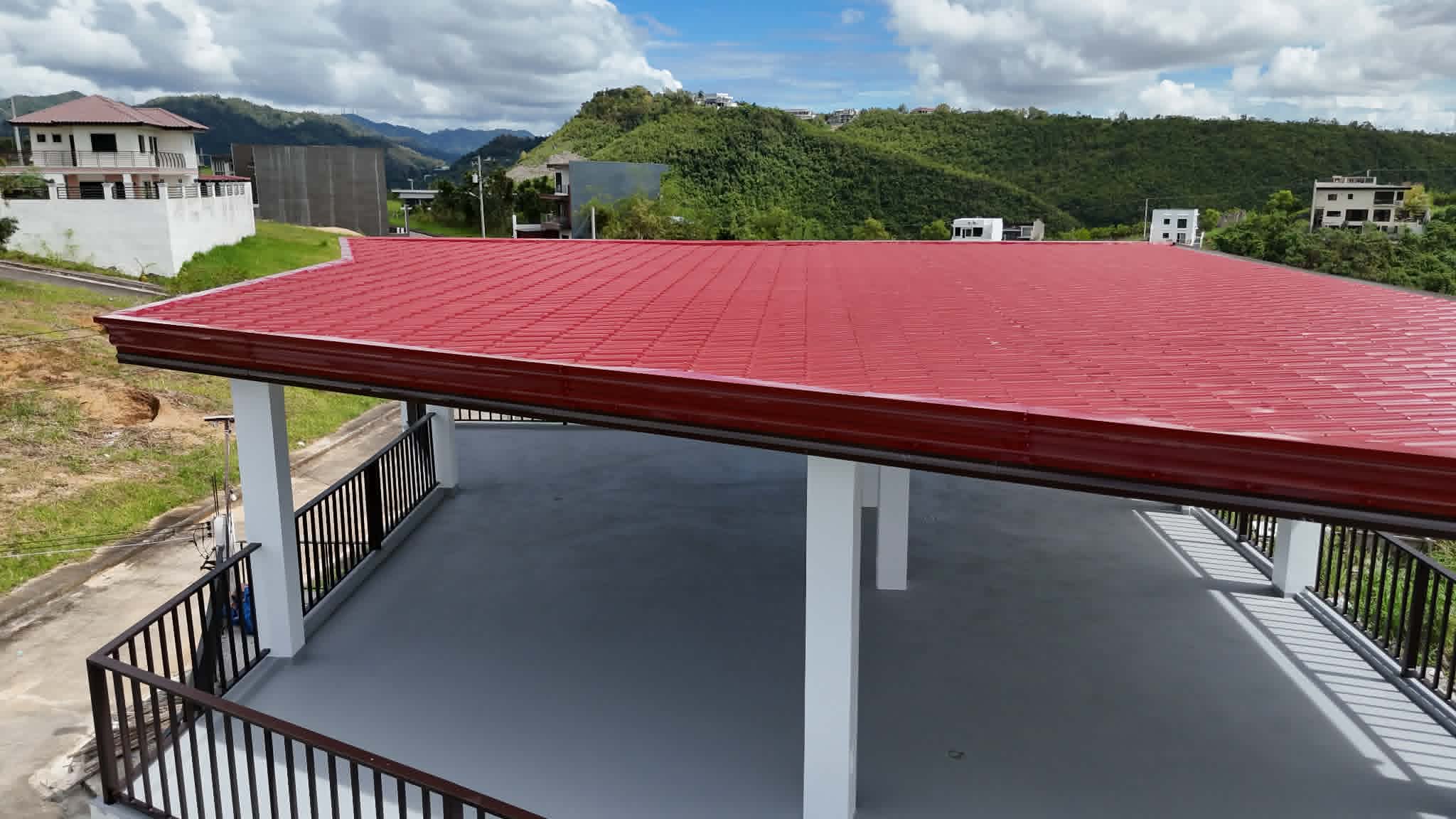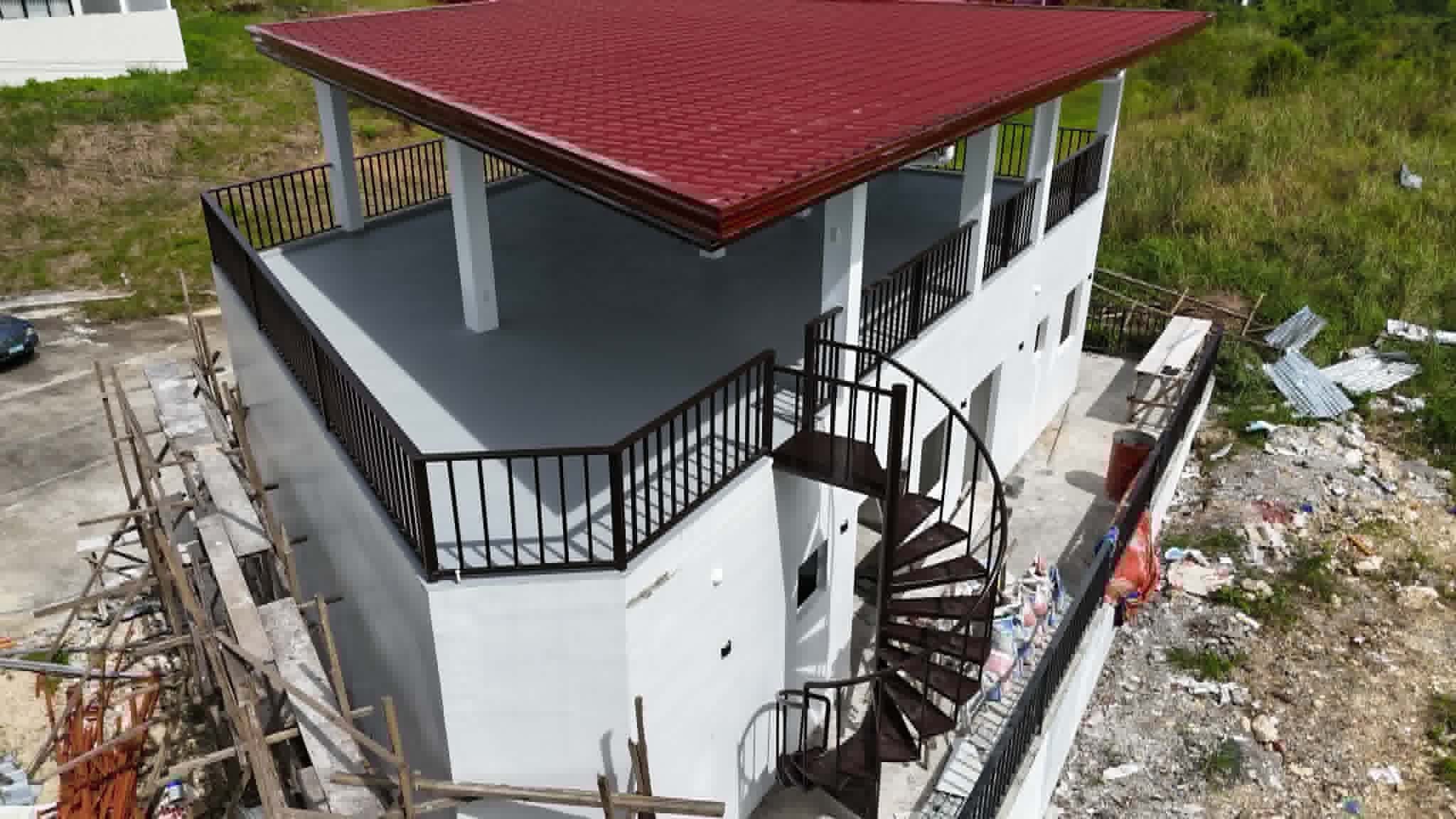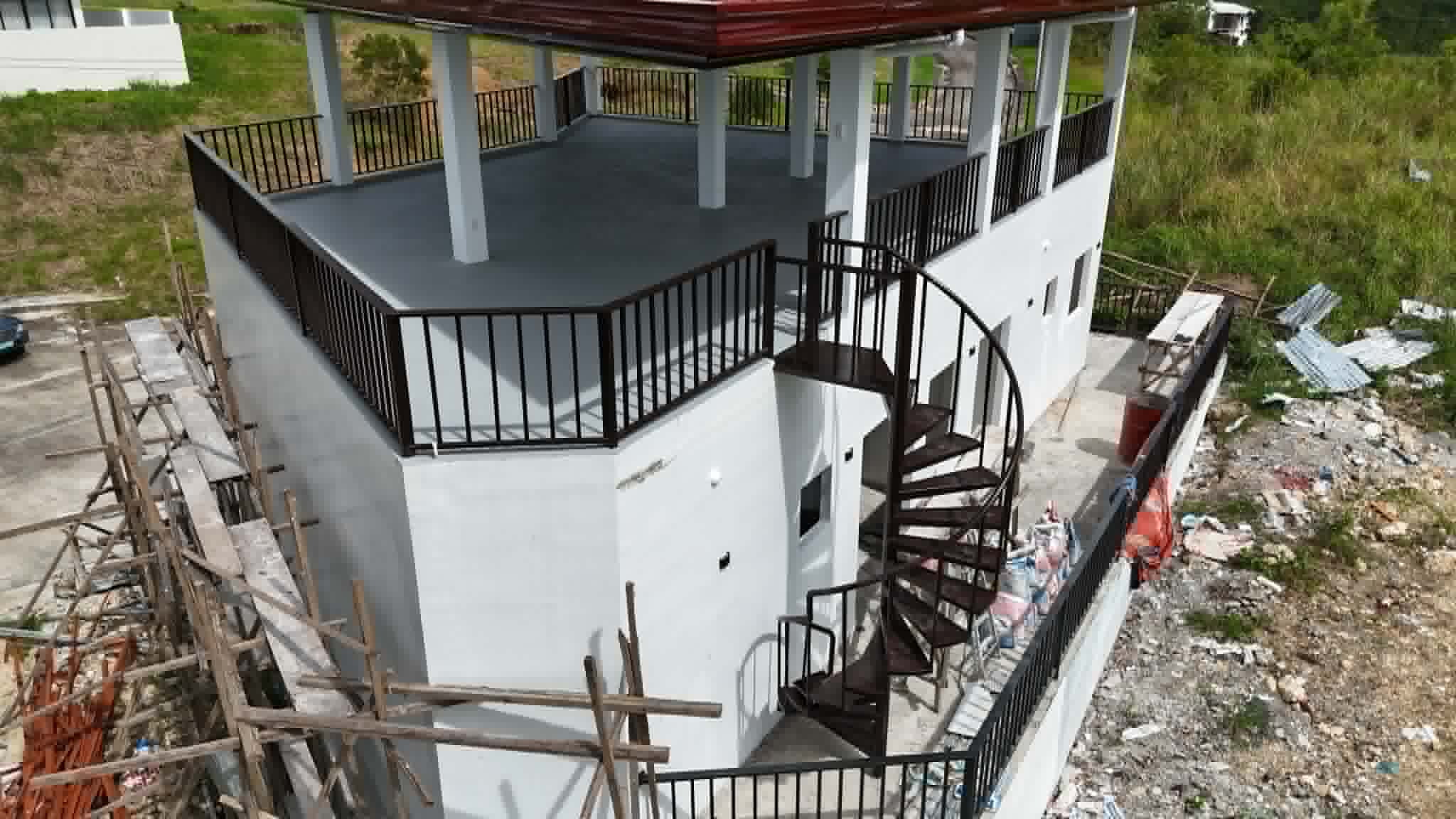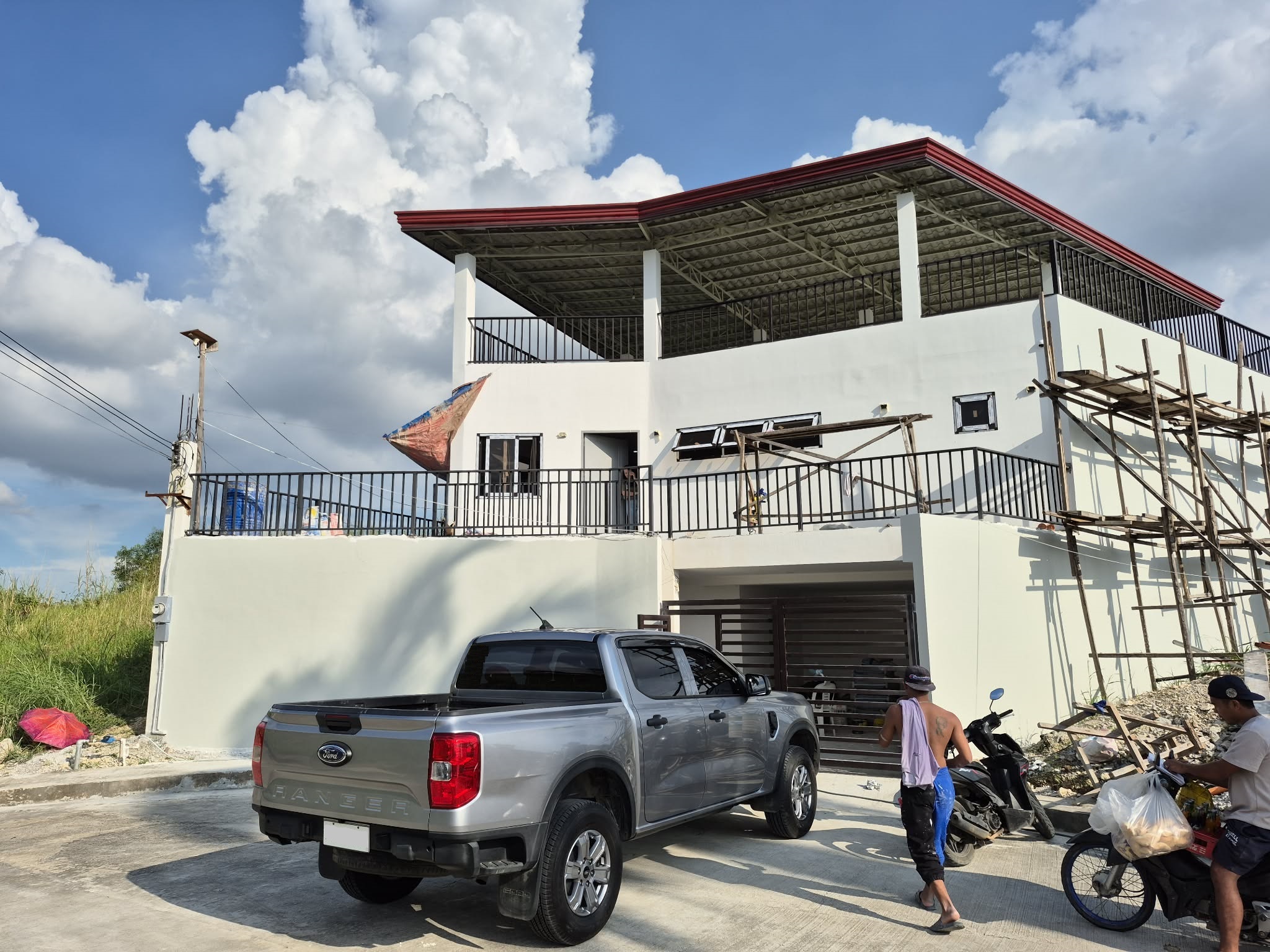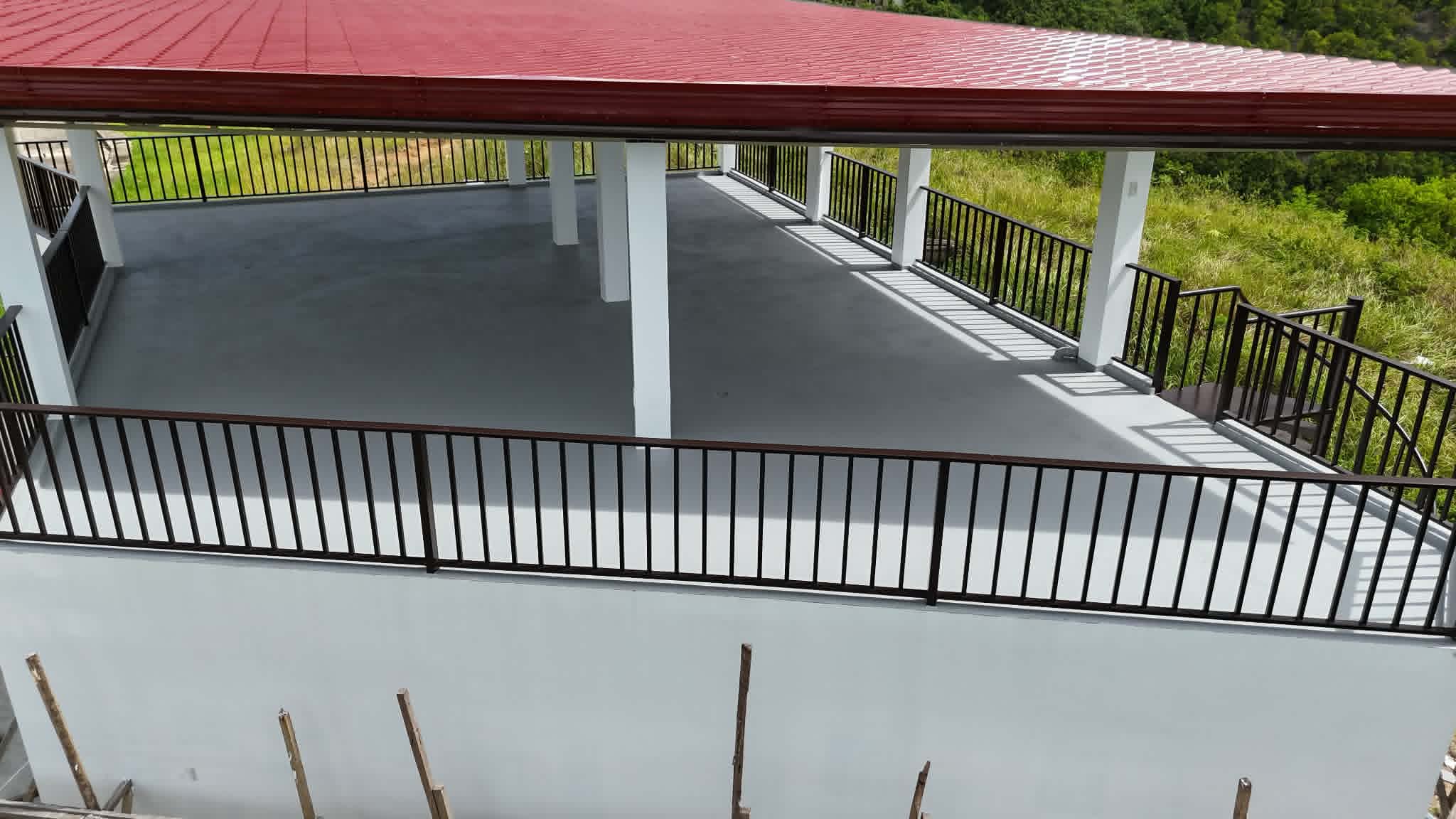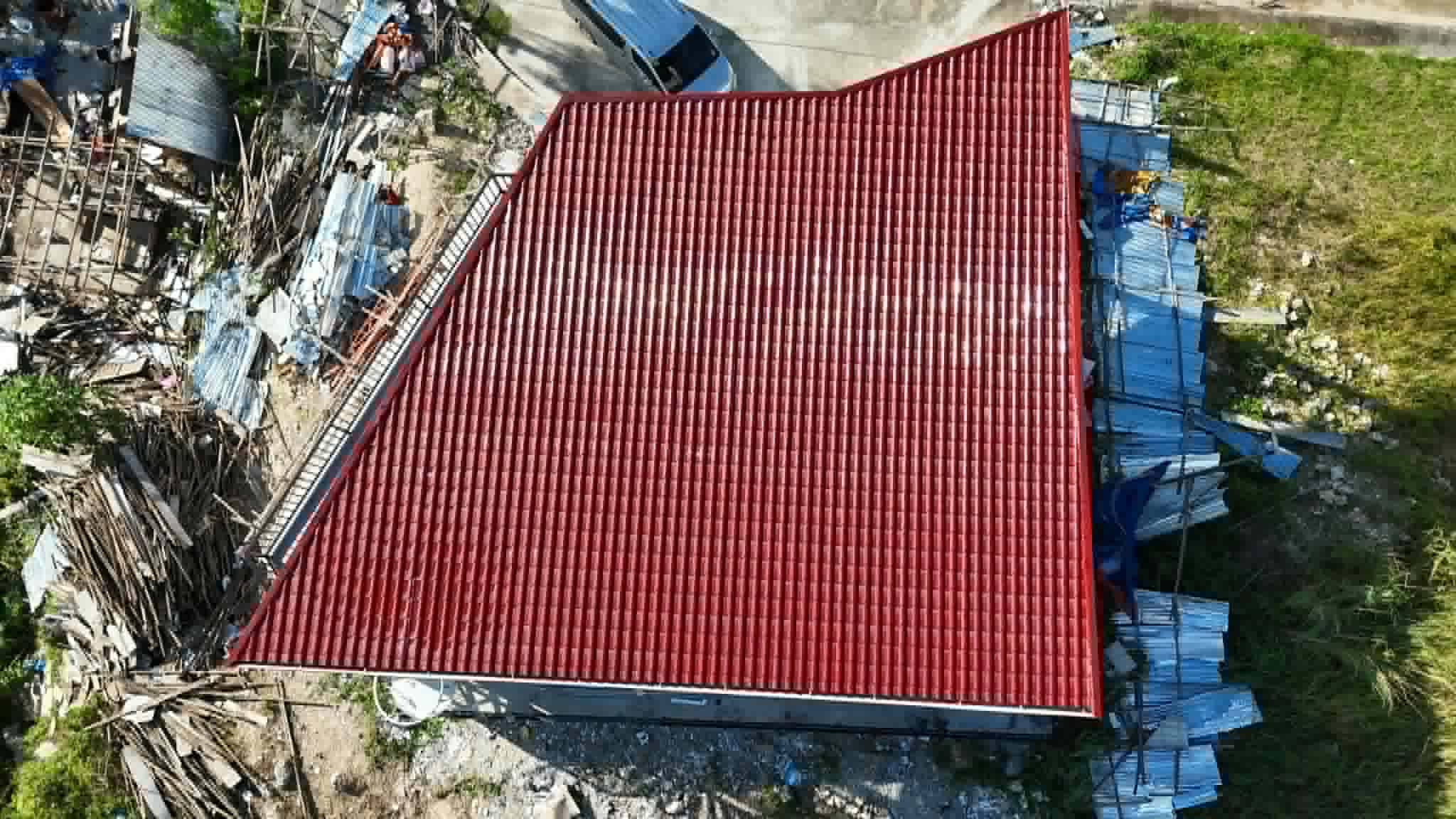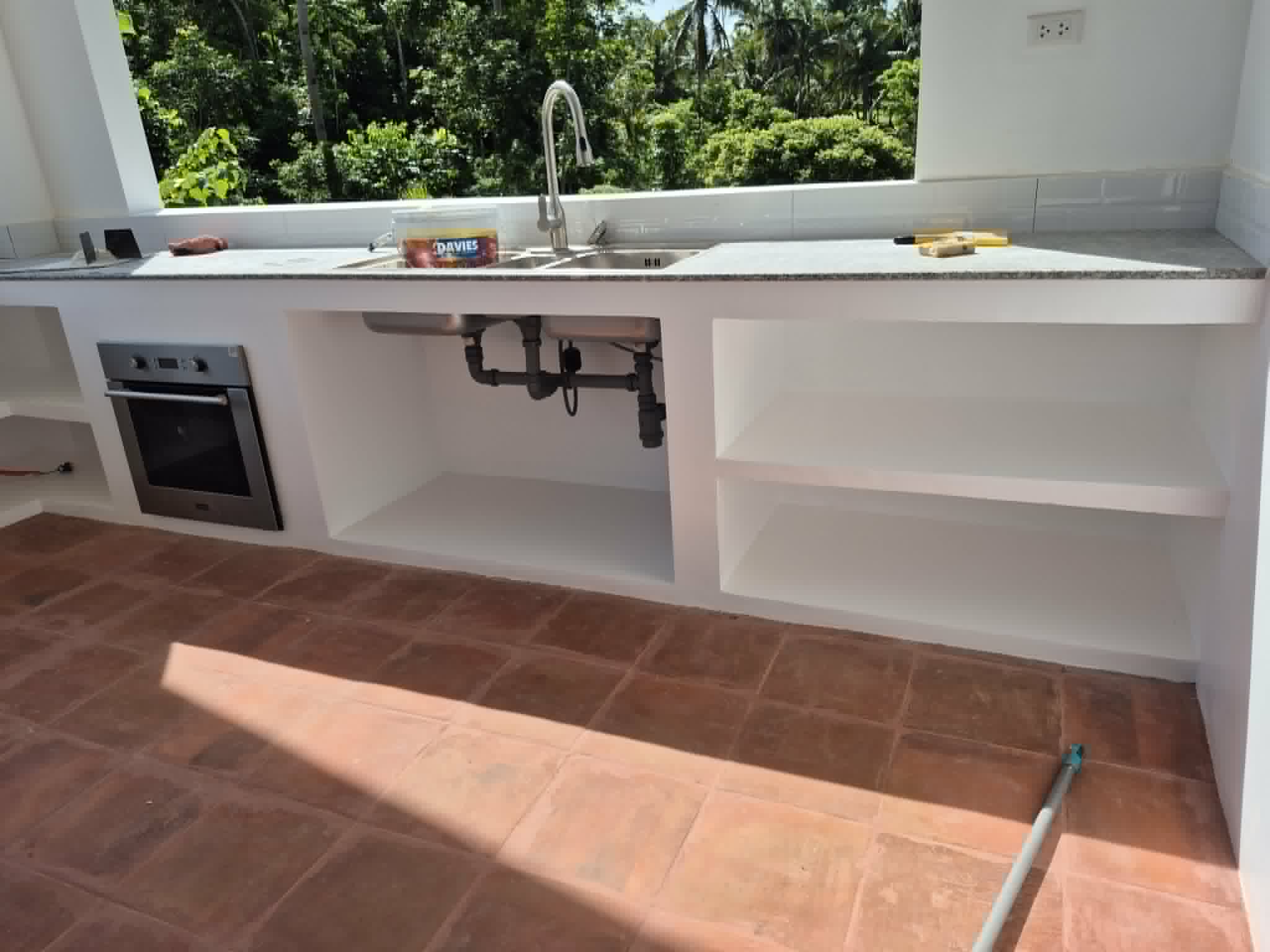
This house uses composite heat resistant walls to make the rooms cooler and thus save on the cost of air conditioning power consumption. This is the best next option if the full ICF (Insulated Concrete Forms) house is outside your budget. With the rooms being heat resistant and thus cooler, you no longer need to always turn the air con ON all the time. With cooler rooms, most of the time, you just need to open your windows and let the natural breeze cool your rooms further and bring in the fresh mountain air.
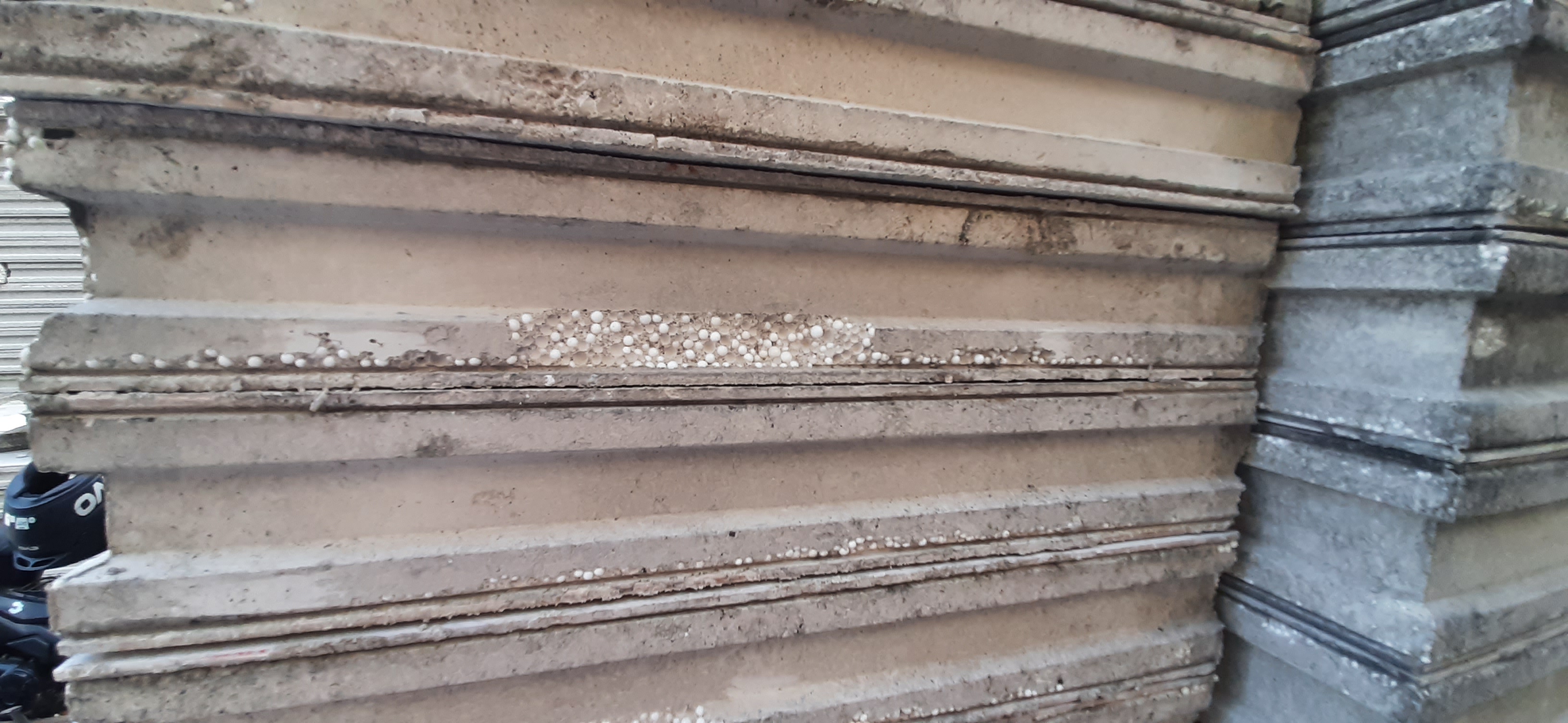
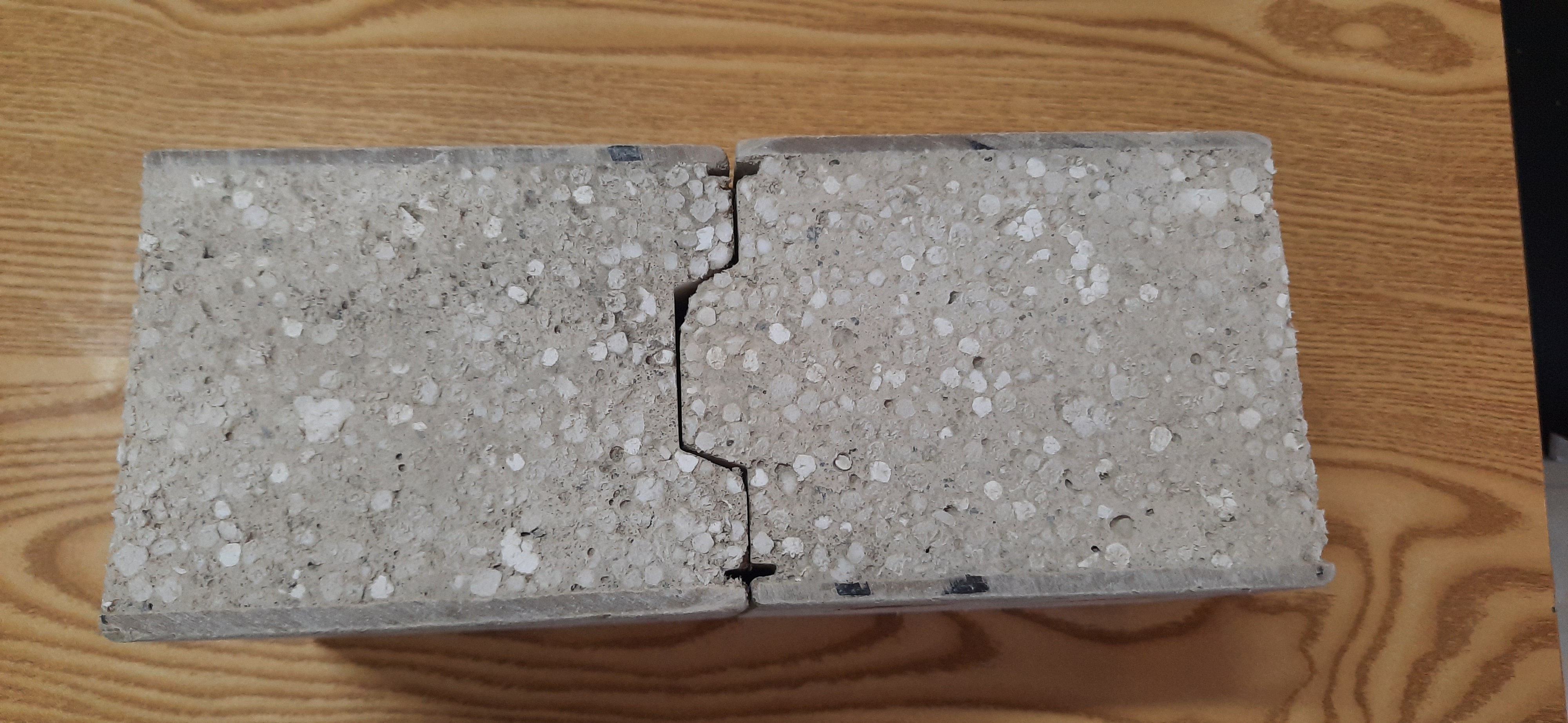
Composite insulated heat resistant walls are made of a mixture of cement and EPS (Expanded Polystyrene) foam pellets with silica dry wall as its protective outer layer on both sides. The heat from direct sunlight outside and the hot air will have a hard time penetrating the silica drywall sheet and whatever heat that is left will be trapped in the EPS. The heat will be unable to penetrate your walls. This type of wall will make heat resistant and sound proof walls mostly due to the EPS. This type of wall is also lighter compared to traditional concrete walls and thus your house is lighter yet very strong due to the cement mix.
The composite walls are pre fabricated panels 2 by 8 feet wide, 4 to 6 inches in thickness depending on your budget. The panels are connected by rebars and the seams are sealed by non sagging epoxy. There is no need of plastering since the silica drywall is already very flat and smooth, thus you simply need to level and buff the joints and you can already proceed with the painting. Since silica dry wall or fiber cement has the attributes of a concrete surface, then be sure to use the appropriate paint type – epoxy type for the exteriors and elastomeric latex or acrylic for the interiors.
The wide 2 by 8 feet panel sizes of the composite walls also makes it faster to build since it is a lot wider than the common cinder blocks. The only drawback for the workers is that the panels are very heavy – will need 4 persons to pick up or mount each panel.