
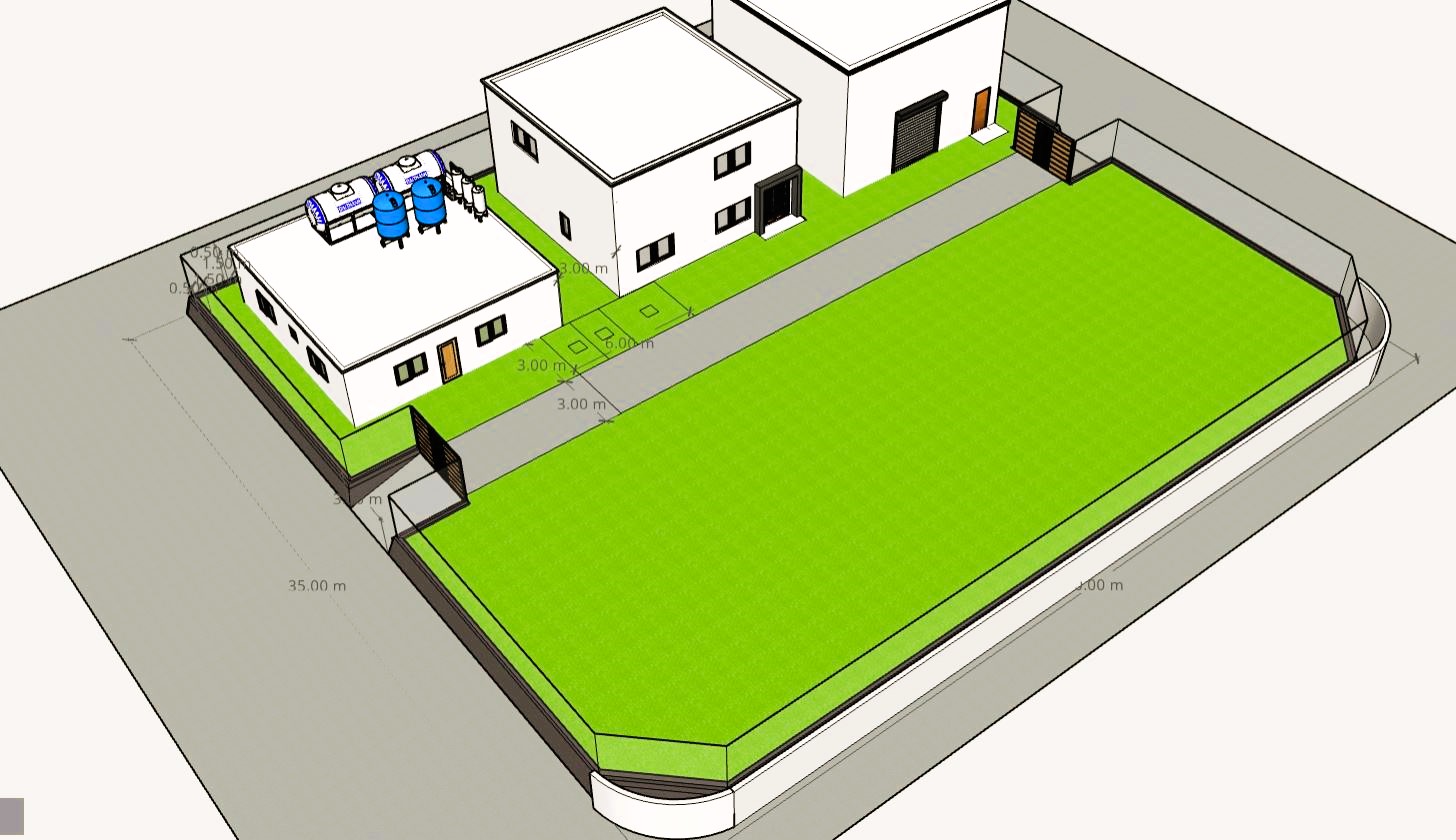
A Practical Home with Industrial-Scale Water Softening and Reverse Osmosis Filtration in Pavia, Iloilo
How Smart Water Treatment Technology Can Transform an Ordinary Residential Property into a More Functional and Self-Reliant Home
A beautiful home is not necessarily defined by its size, architectural style, or expensive finishes. Sometimes, the most valuable features are the ones that improve the quality of everyday living without necessarily being visible to visitors.
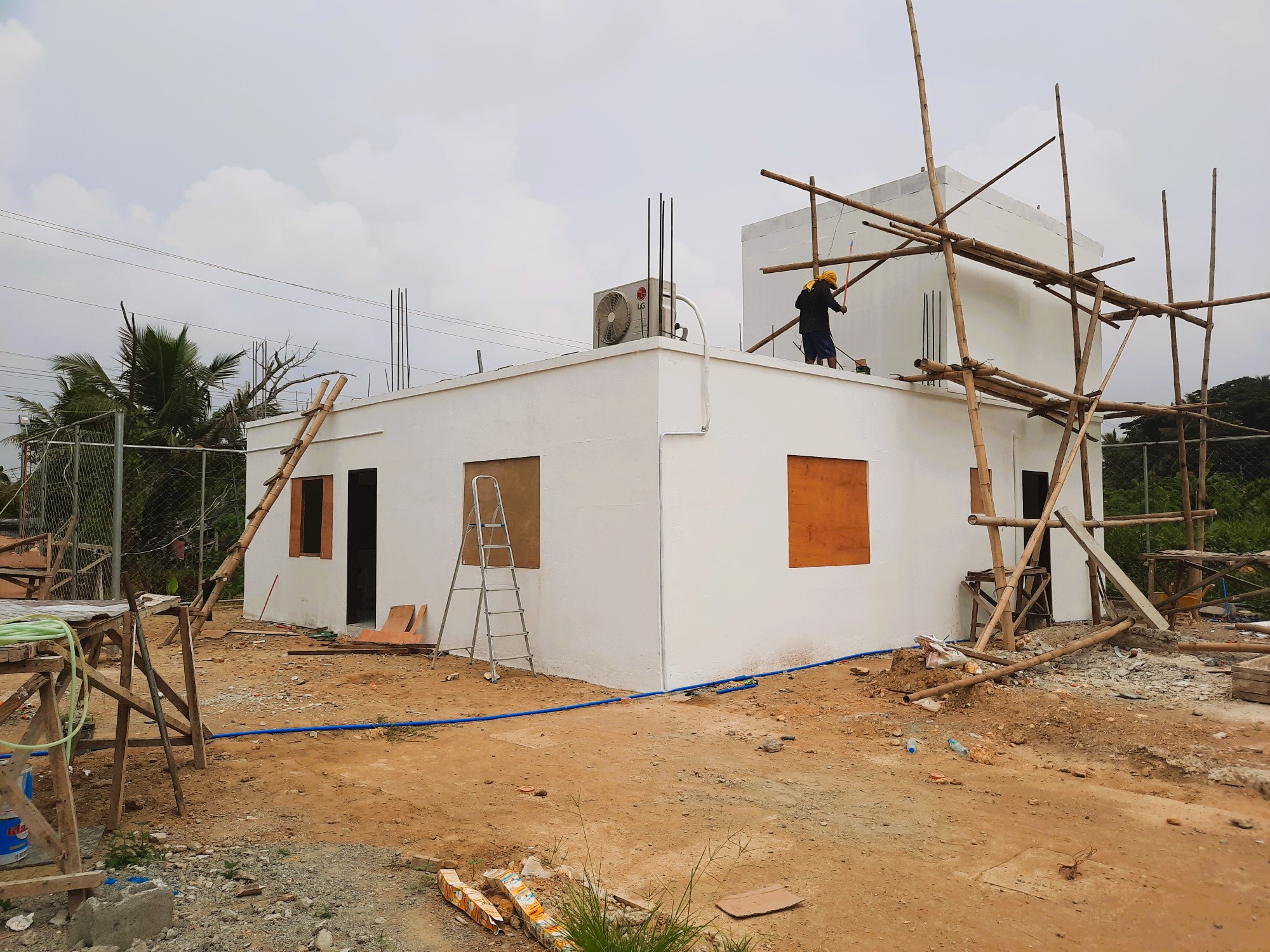
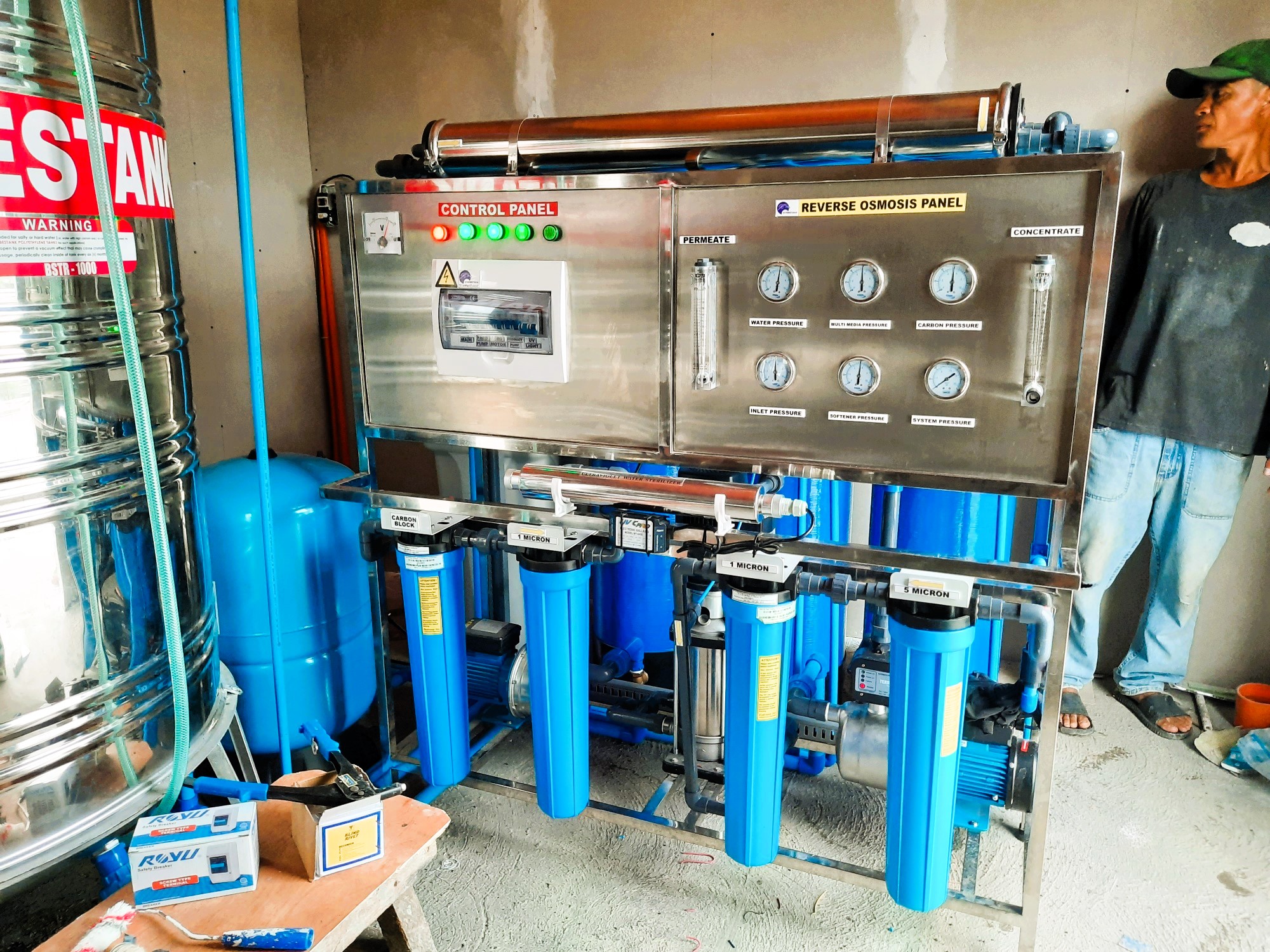
This residential project in Balabag, Pavia, Iloilo, demonstrates an interesting approach to practical home construction: combining a relatively simple house design with an advanced water treatment installation normally associated with larger commercial, institutional, or industrial applications.
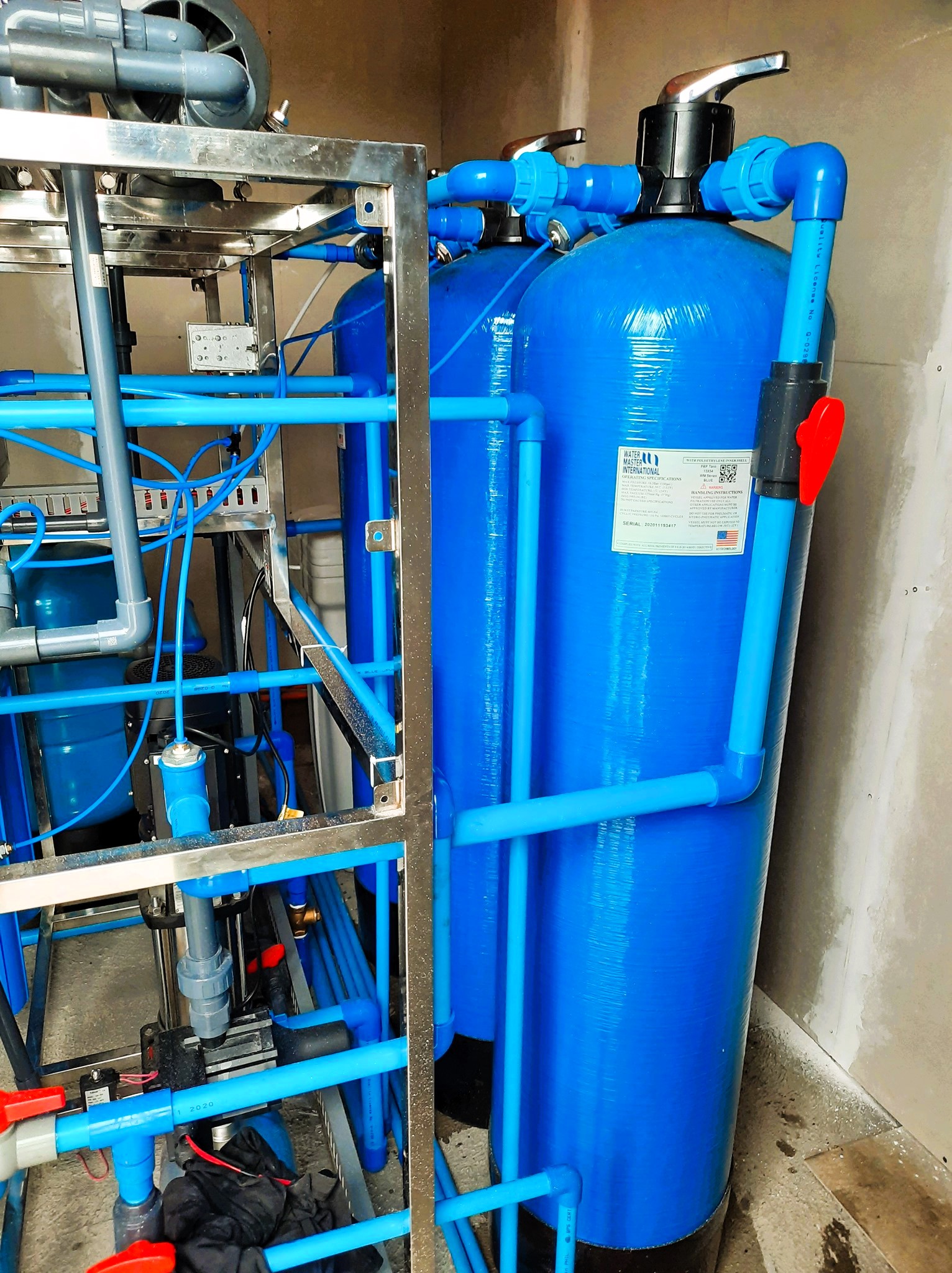
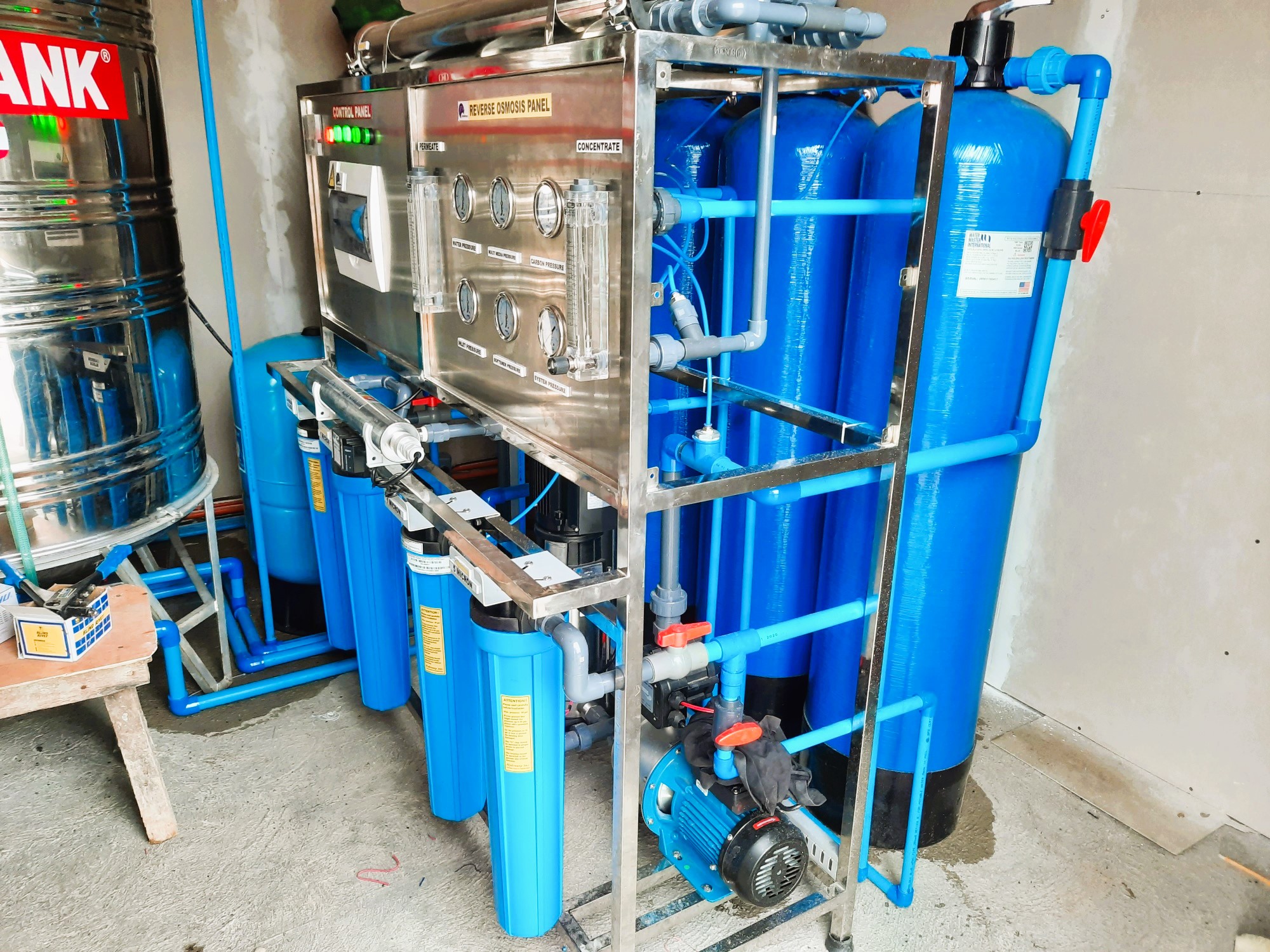
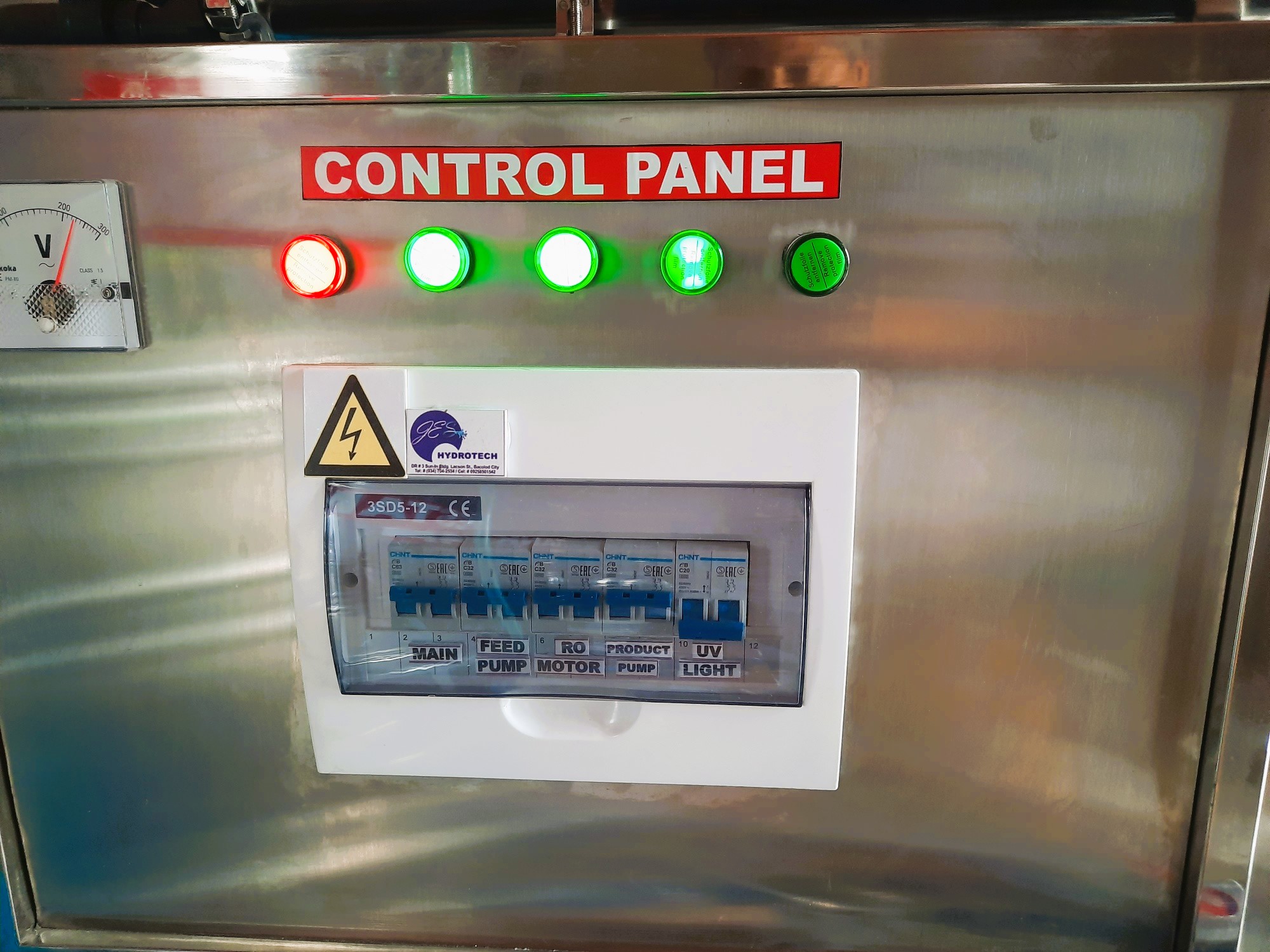
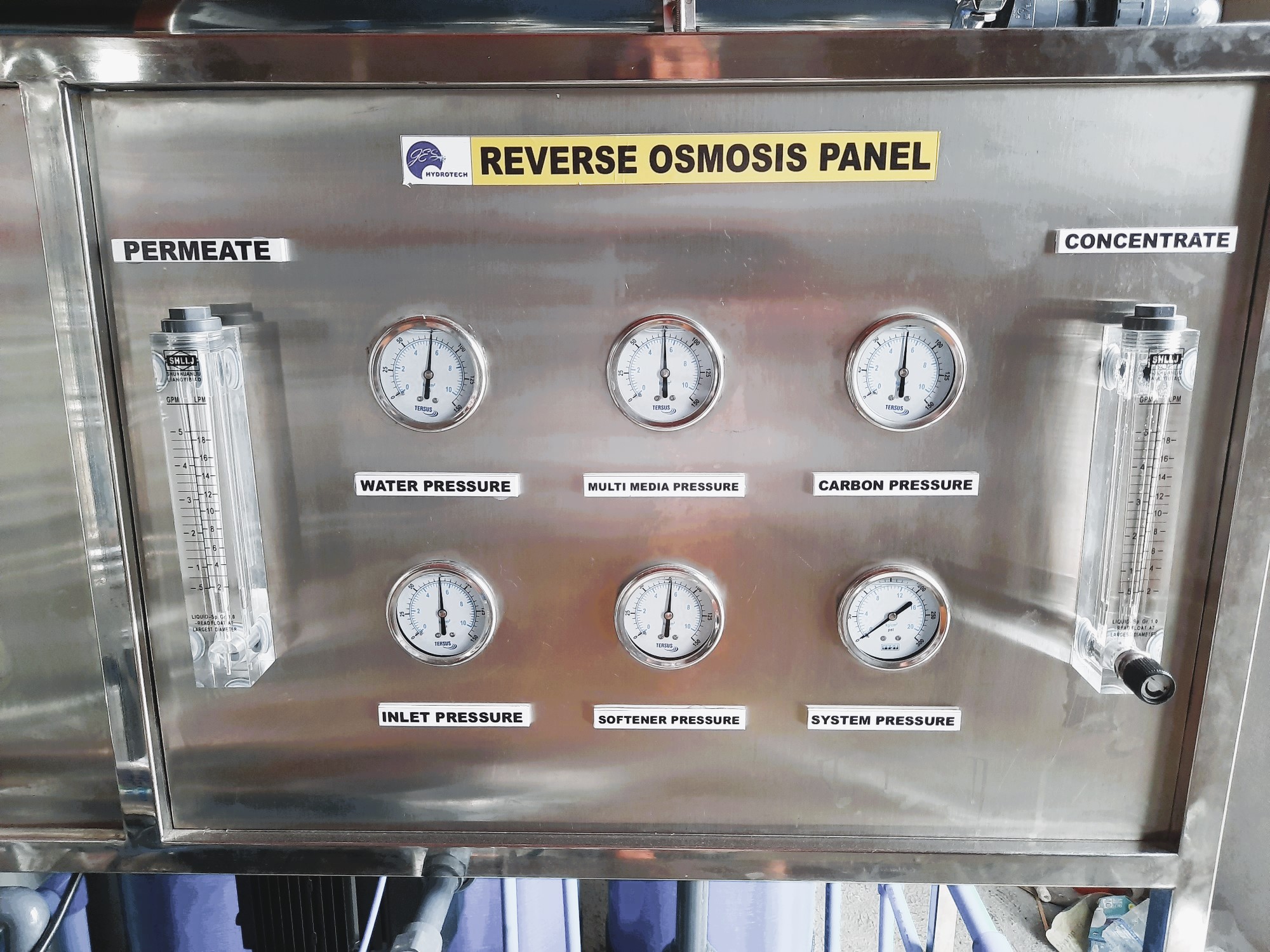
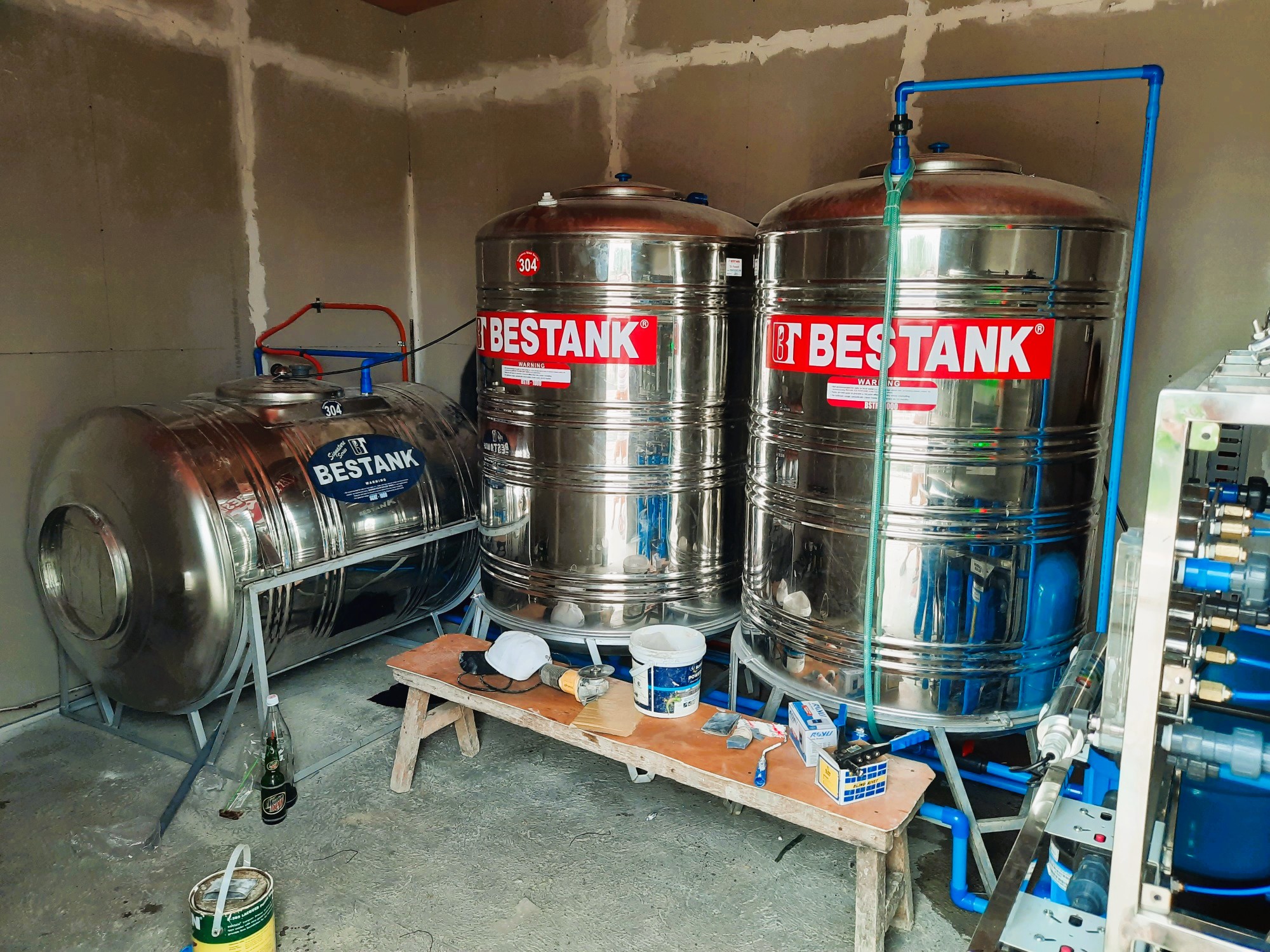
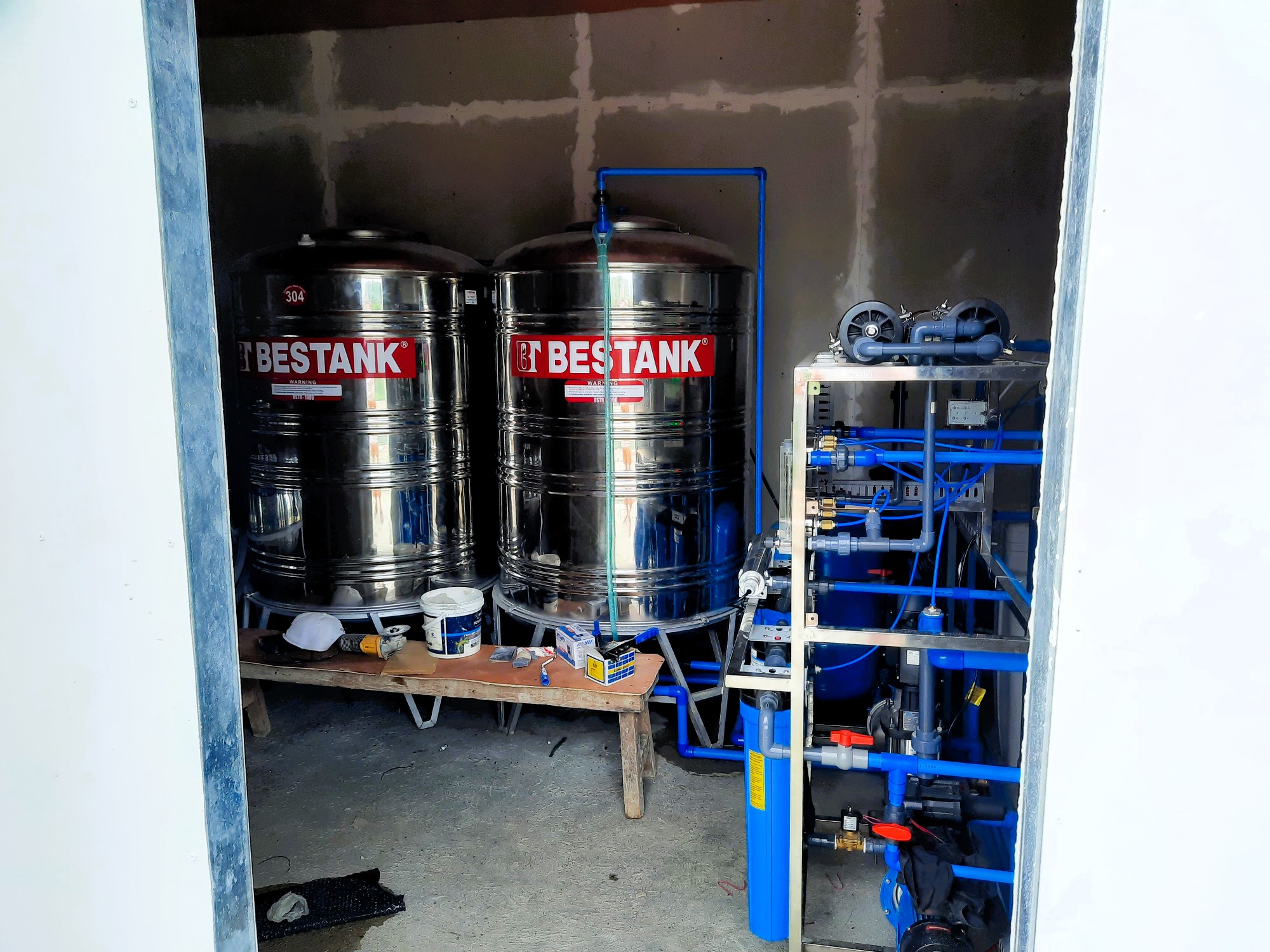
At first glance, the house may appear modest and straightforward. However, one of its most distinctive features is its built-in industrial-scale water softening and reverse osmosis (RO) filtration system.
It is an example of how thoughtful planning and the integration of modern technology can add considerable functional value to an otherwise ordinary residential structure.
A Simple House with an Unusual Engineering Feature
Many homeowners concentrate their construction budgets on architectural appearance, flooring, cabinetry, ceiling treatments, and other visible improvements.
While these elements certainly contribute to the beauty and comfort of a residence, essential household infrastructure deserves equal attention.
Water is one of the most important resources in any home. It is needed for bathing, cooking, cleaning, laundry, food preparation, and numerous everyday activities.
However, the quality of available water can vary considerably depending on the location, source, distribution system, and surrounding environment.
For properties experiencing hard water, excessive mineral content, sediment, unpleasant taste, or other water-quality concerns, an appropriately designed water treatment installation can become an important part of the house.
This is where the Pavia residence becomes particularly interesting.
Instead of relying exclusively on conventional household filtration equipment, the property incorporates a substantially larger water softening and reverse osmosis treatment arrangement.
The concept demonstrates that homeowners can incorporate more sophisticated utility systems into residential construction when these requirements are considered early in the planning process.
Why Install an Industrial-Scale Water Softener in a Residential Property?
Hard water is water containing relatively high concentrations of dissolved minerals, particularly calcium and magnesium.
Although hardness is not necessarily a health hazard, it can create several practical problems around the house.
Mineral deposits may accumulate inside plumbing fixtures, faucets, showerheads, water heaters, and appliances. These deposits can also interfere with soap performance and contribute to scale formation in household equipment.
A water softening system addresses this particular concern.
Most conventional water softeners use an ion-exchange process that reduces calcium and magnesium concentrations by exchanging them with sodium or potassium ions.
For a homeowner, the potential advantages include:
- Reduced mineral scale accumulation in plumbing and water-using equipment.
- Less mineral residue on bathroom fixtures and shower enclosures.
- Improved soap and detergent performance.
- Reduced scale-related maintenance requirements.
- Better protection for certain household appliances and water-heating equipment.
The decision to install a larger water softening system should be based on the property’s actual water consumption, water hardness, available water supply, and required flow rate.
For larger households or properties with substantial water requirements, a properly sized centralized system may offer advantages over installing several small individual units.
It is important to remember that water softening is not the same as water purification. A softener primarily addresses hardness minerals and does not independently remove every possible contaminant.
Reverse Osmosis: Bringing Advanced Water Filtration into the Home
Another important component of this residential installation is its reverse osmosis filtration system.
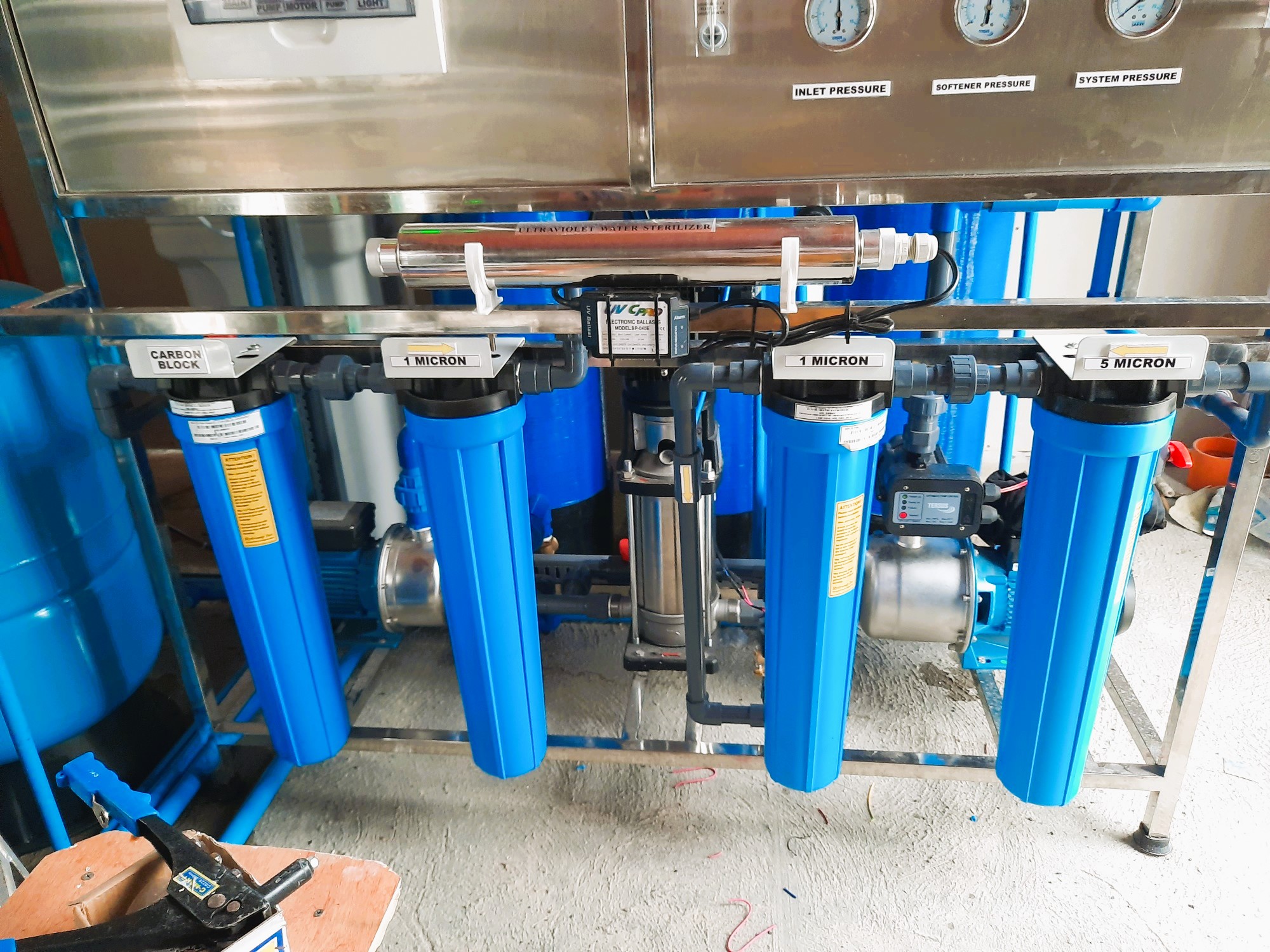
Reverse osmosis, commonly called RO, is a water treatment technology that uses pressure to move water through a specialized semipermeable membrane.
The membrane separates much of the dissolved material and other contaminants from the treated water, producing a purified water stream and a concentrated wastewater stream.
Depending on the membrane, equipment configuration, pretreatment, and incoming water characteristics, reverse osmosis can significantly reduce many dissolved salts and other unwanted substances.
This technology is widely used in drinking water treatment, food processing, commercial facilities, and industrial applications.
Incorporating it into a residential property demonstrates how technologies commonly associated with larger installations can also serve household requirements.
For homeowners, an appropriately designed RO system can provide an additional treatment stage for drinking and cooking water.
However, the system must be selected according to actual water analysis. Pretreatment, membrane selection, storage capacity, operating pressure, wastewater management, and regular maintenance all influence its performance.
Why Combine Water Softening and Reverse Osmosis?
Although both technologies treat water, they perform different functions.
A water softener primarily reduces hardness minerals, while reverse osmosis reduces a much broader range of dissolved substances.
When properly designed, these technologies can complement one another.
For example, a centralized water softening system may help reduce calcium and magnesium scaling, while an RO installation provides an additional purification stage for water intended for more demanding applications.
The actual treatment sequence should depend on the source water and the intended use.
A typical engineered arrangement may include sediment filtration, appropriate pretreatment, water softening where necessary, and reverse osmosis for designated water outlets.
The objective is not simply to install as much equipment as possible. It is to create a treatment system that addresses the property’s actual water-quality requirements without unnecessary operating costs.
This is an important distinction when planning residential utility infrastructure.
Water Quality Should Be Considered During the Design Stage
One lesson from this Pavia, Iloilo, project is that residential construction should not be limited to architectural and structural considerations.
Water supply, electrical distribution, drainage, plumbing, ventilation, and other building services should also receive attention during the planning stage.
If a homeowner intends to install a centralized water treatment system, the building should provide sufficient space for the equipment and its associated plumbing connections.
Several considerations should be incorporated into the design:
1. Dedicated Equipment Space
Water treatment equipment requires adequate floor space, accessibility, drainage provisions, and sufficient clearance for inspection and servicing.
2. Proper Plumbing Distribution
The plumbing layout should identify which outlets require softened water and which require additional purification through reverse osmosis.
3. Electrical Requirements
Pumps, automatic control valves, monitoring equipment, and other components may require electrical connections and appropriate protection.
4. Drainage and Wastewater Management
Water softeners require periodic regeneration, while reverse osmosis systems produce a concentrated reject-water stream. Both processes require appropriate drainage arrangements.
5. Maintenance Accessibility
Filters, membranes, control valves, and other components eventually require cleaning, replacement, or servicing. Equipment should therefore be positioned where technicians can access it without disrupting normal household activities.
These requirements may appear minor during the architectural planning stage, but they can become expensive modifications when addressed only after the house has been completed.
Practical Construction Does Not Have to Mean Compromising on Technology
One of the interesting aspects of this residence is the contrast between its straightforward architectural character and its relatively sophisticated water treatment installation.
It challenges the idea that modern residential technology is reserved exclusively for expensive luxury homes.
A homeowner does not necessarily need a mansion to benefit from better-planned infrastructure.
In fact, a practical residential property can be designed around specific functional requirements without spending unnecessarily on architectural features that provide little benefit to the occupants.
This is particularly relevant to homeowners who want to maximize their construction budgets.
Instead of allocating the entire budget to decorative improvements, a more balanced approach considers the long-term usefulness of the building.
Depending on the property owner’s priorities, this could mean investing in better plumbing, water treatment, electrical systems, roof insulation, thermal protection, drainage, or other improvements that contribute to everyday comfort and functionality.
Building Homes Around the Needs of Their Owners
Every construction project presents a different set of priorities.
Some homeowners want a larger family residence. Others need rental apartments, retirement homes, vacation properties, or practical residences that are easy to maintain.
There are also property owners who place particular importance on water quality, energy efficiency, thermal comfort, security, and long-term operating costs.
At CBU Asia, we believe that good construction begins with understanding these requirements.
The architectural design, structural system, building materials, plumbing installations, electrical systems, and other technical components should work together rather than being treated as unrelated construction activities.
This approach allows project owners to make more informed decisions about where their construction budget should go.
The Pavia residence is an interesting example of this philosophy: a relatively simple residential structure incorporating an advanced water treatment arrangement to address a specific household requirement.
CBU Asia: Practical Design and Building Solutions for Different Budgets
Not every construction project needs to be extravagant to be intelligently designed.
Whether it is a modest family home, a high-performance tropical residence, an apartment development, a commercial building, or a specialized renovation, the important thing is to understand what the property owner actually needs.
At CBU Asia, our design-and-build approach focuses on combining practical construction solutions, appropriate building technologies, experienced project coordination, and cost-conscious planning.
We believe that clients should have the opportunity to explore different materials, construction systems, and technical solutions before committing their budgets.
This includes conventional construction methods as well as alternative technologies that may improve building performance, reduce unnecessary labor, or provide better long-term value.
Our objective is not simply to construct buildings. It is to help property owners make better construction decisions.
Planning Your Next Residential Construction Project?
If you are planning to build a home in Cebu, Mactan, Bohol, Iloilo, Negros, Siquijor, Camotes, or elsewhere in the Visayas, consider your property’s essential infrastructure before construction begins.
Think beyond the floor plan and architectural appearance.
Consider the water supply, drainage, electrical requirements, indoor comfort, insulation, durability, maintenance, and the technologies that can make your home more functional.
Whether you are interested in a straightforward residential structure or a more technologically advanced home, CBU Asia can help you explore practical design-and-build solutions suited to your requirements and available budget.
Build intelligently. Spend wisely. Make your home work better for you.
CBU Asia – Custom Builders Union
United Designers, Builders, Project Managers, and Materials Suppliers.
Website: https://cbu.asia/
Explore our residential construction projects and discover how practical design, modern building technologies, and cost-conscious construction planning can work together to create better properties in the Philippines.