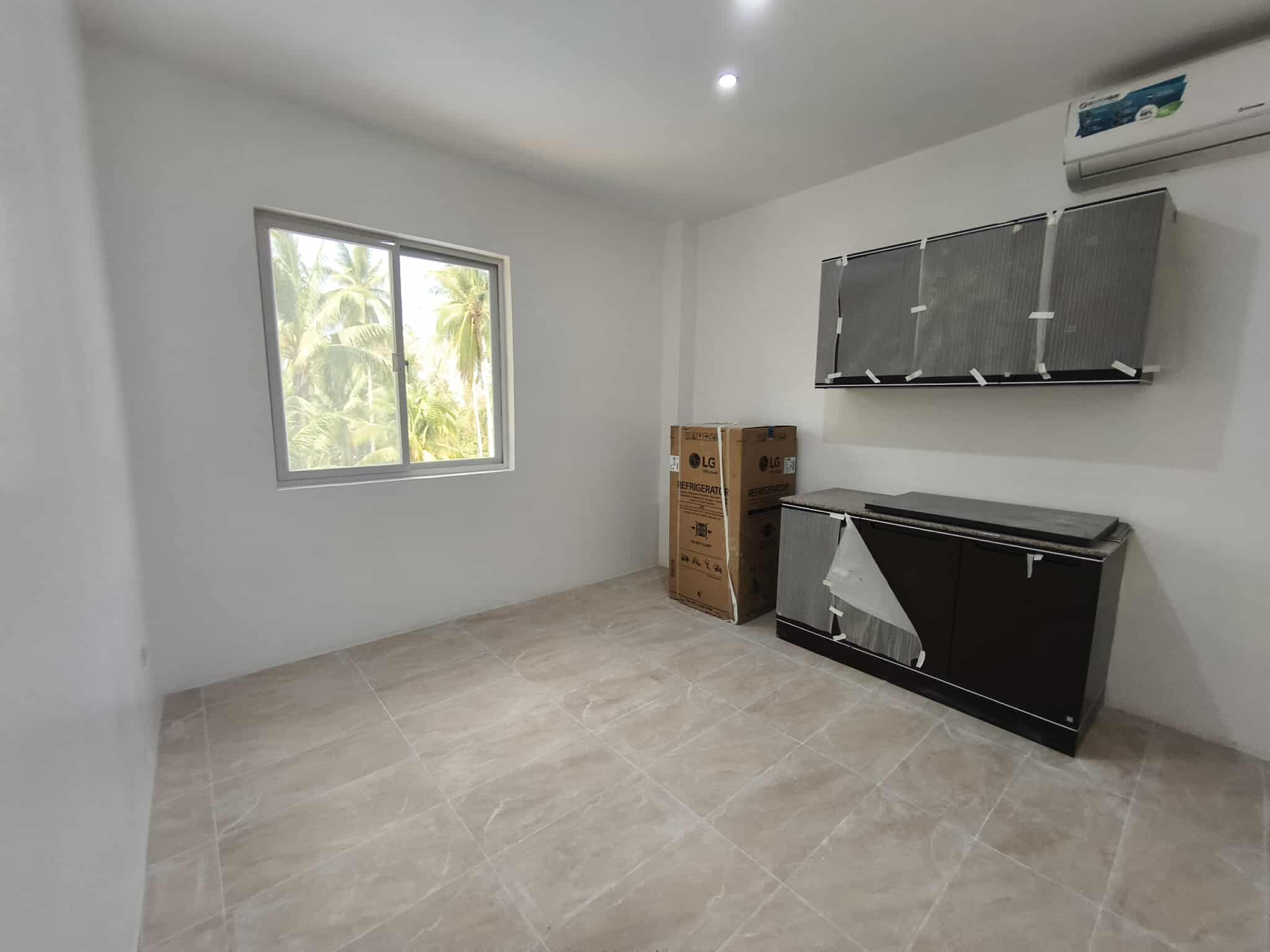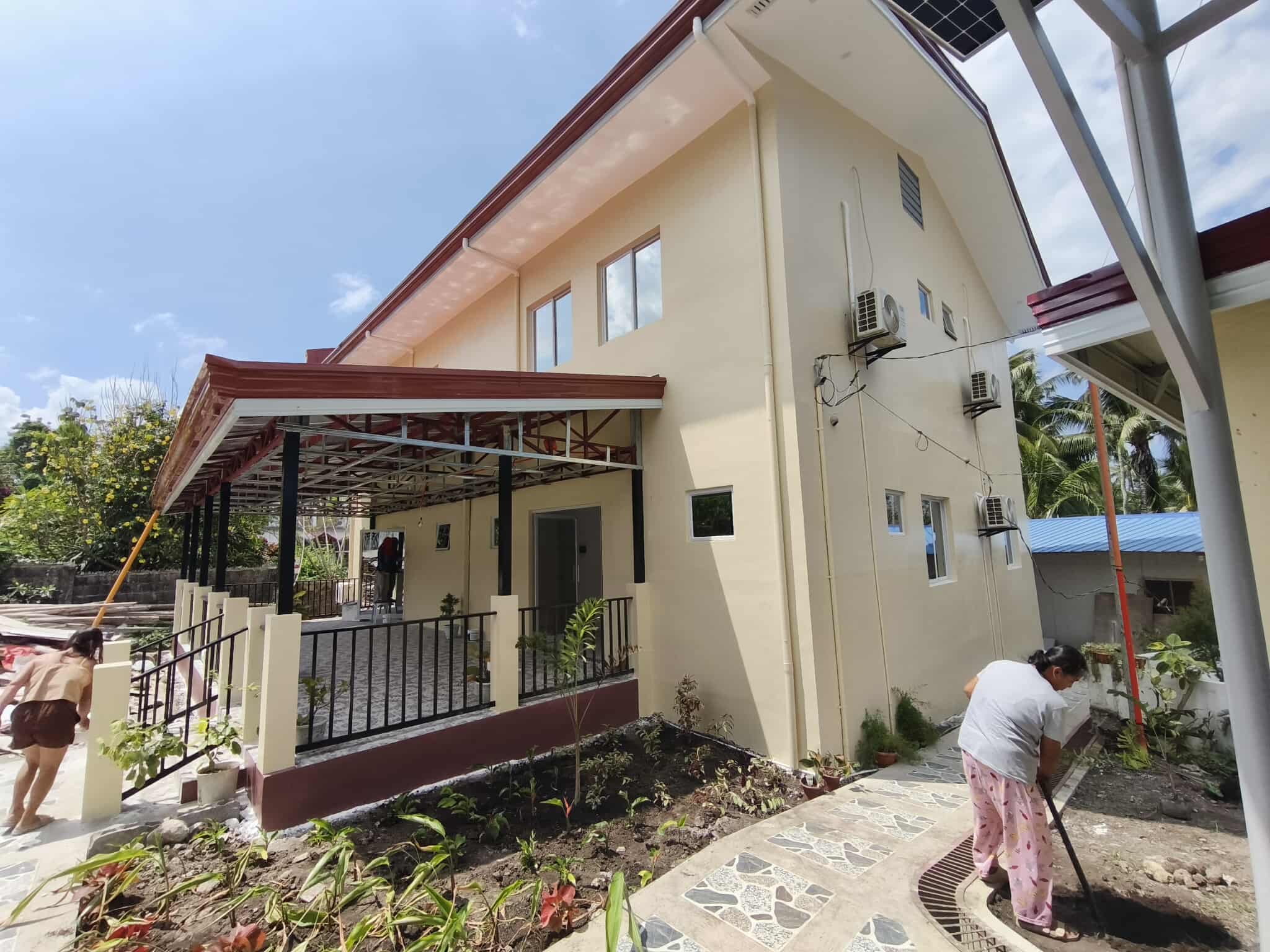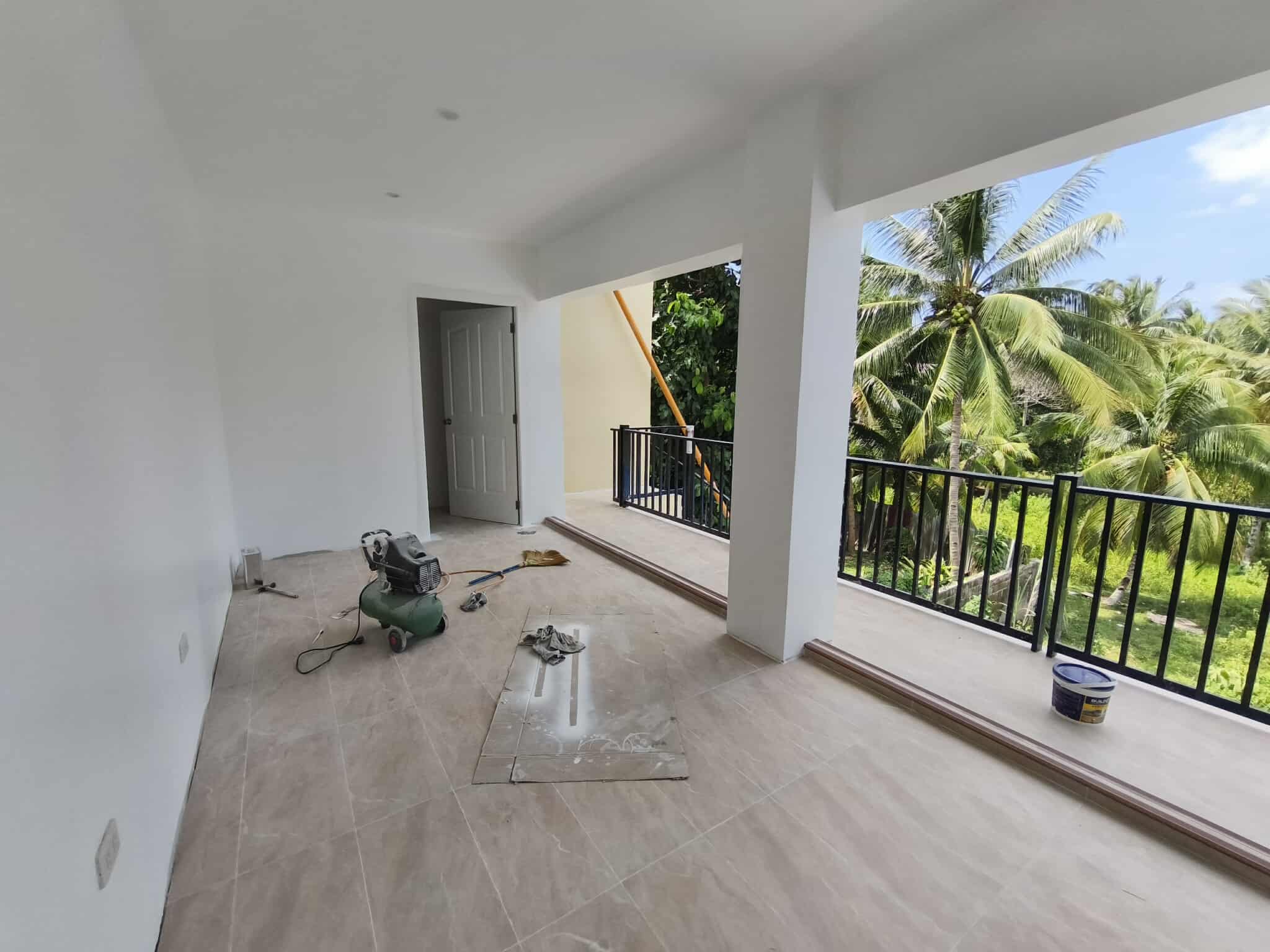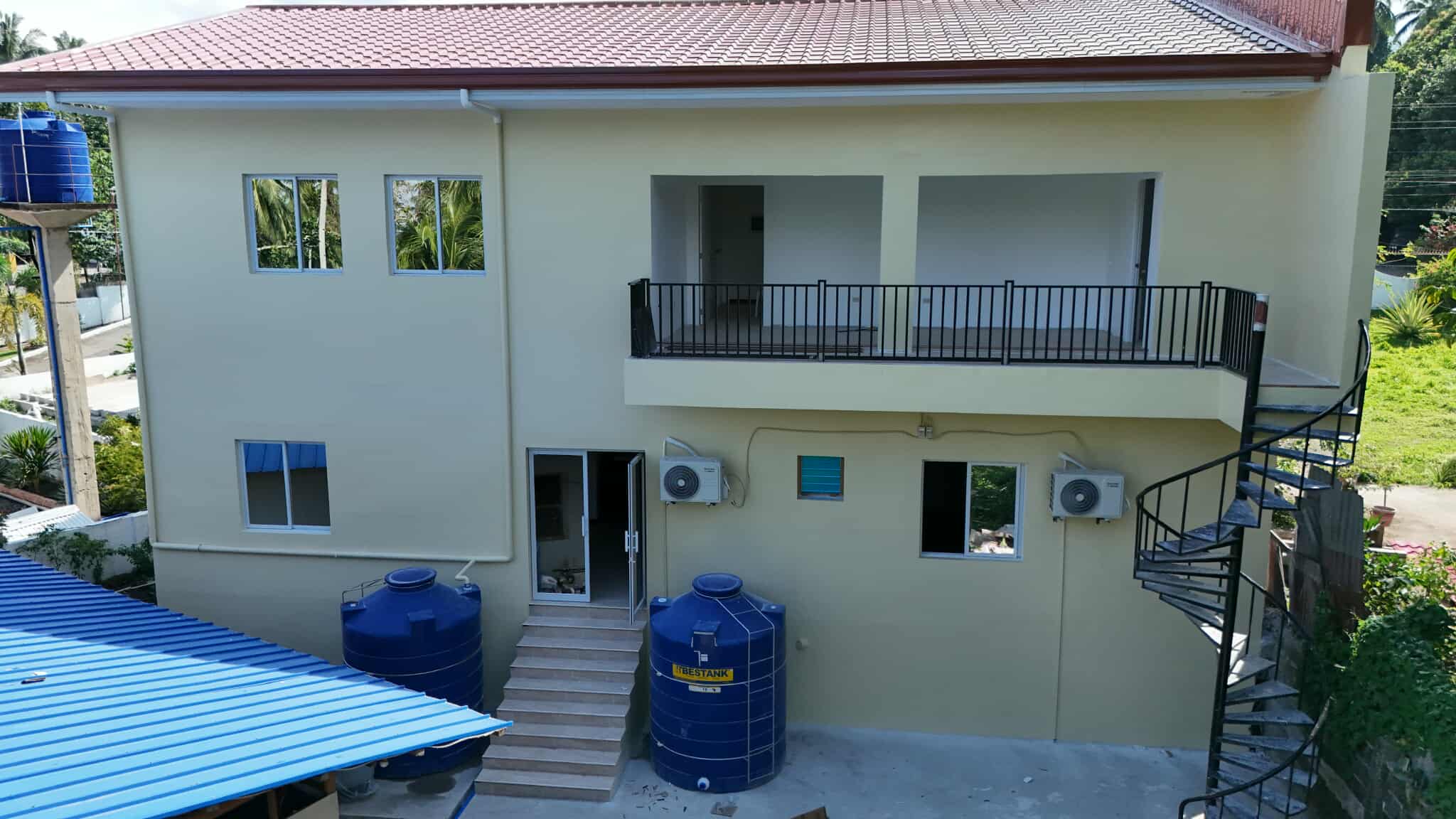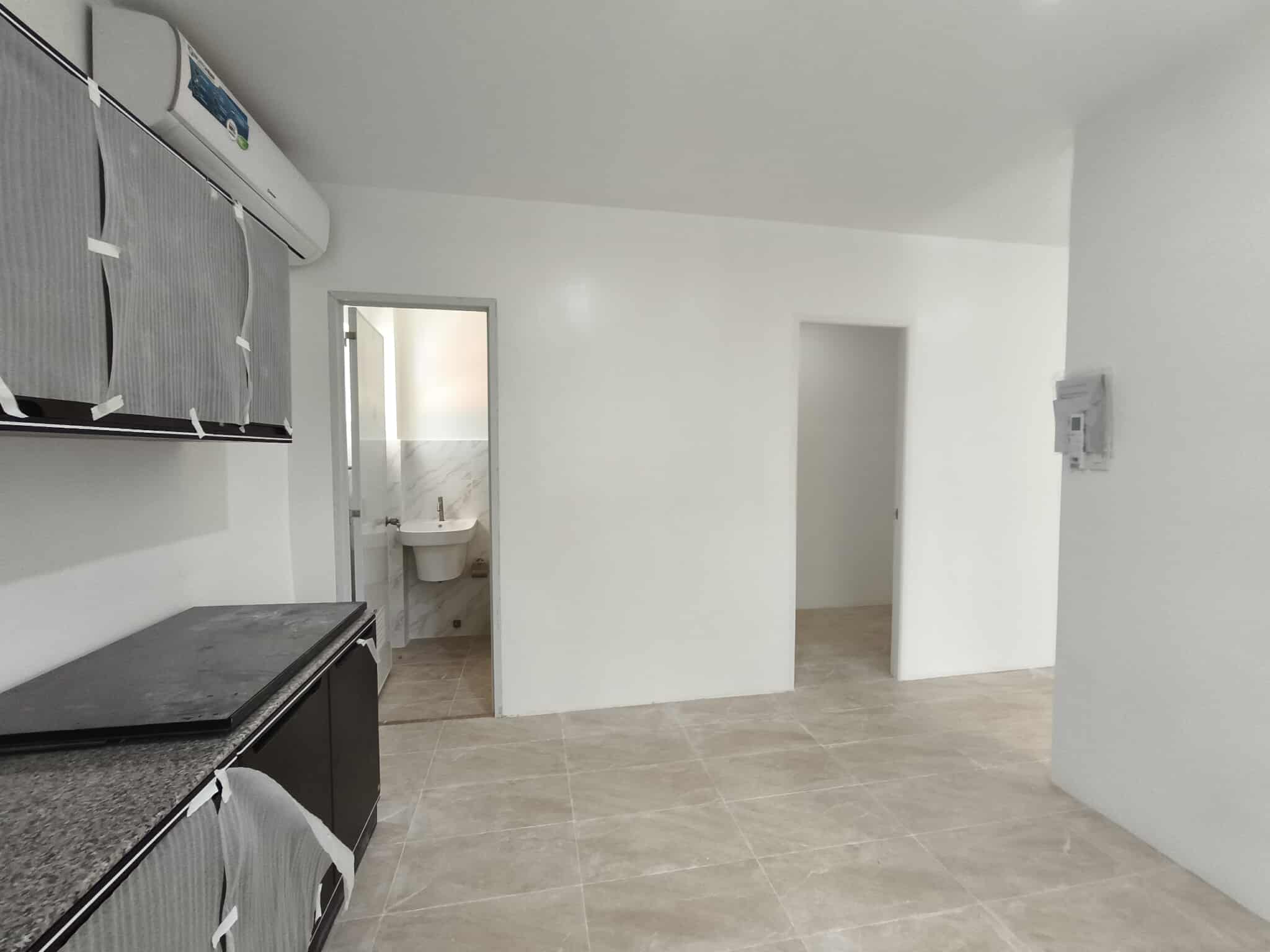
Some people think there’s more earthquakes happening these days and they are getting stronger. Whether that is true or not, we need to make our structures stronger, and maybe avoid living in tall buildings because even a weak earthquake will already give you a very scary experience if you live up there and your structure sways because of even just a weak earthquake. While some people are not easily scared by a swaying floor, some do.
According to a quick google search, it is not true that there’s more earthquakes today. We are simply able to detect them more easily these days because our earthquake monitoring devices have gone more advanced and our communication systems have become more efficient, thus we are able to get the news fast.
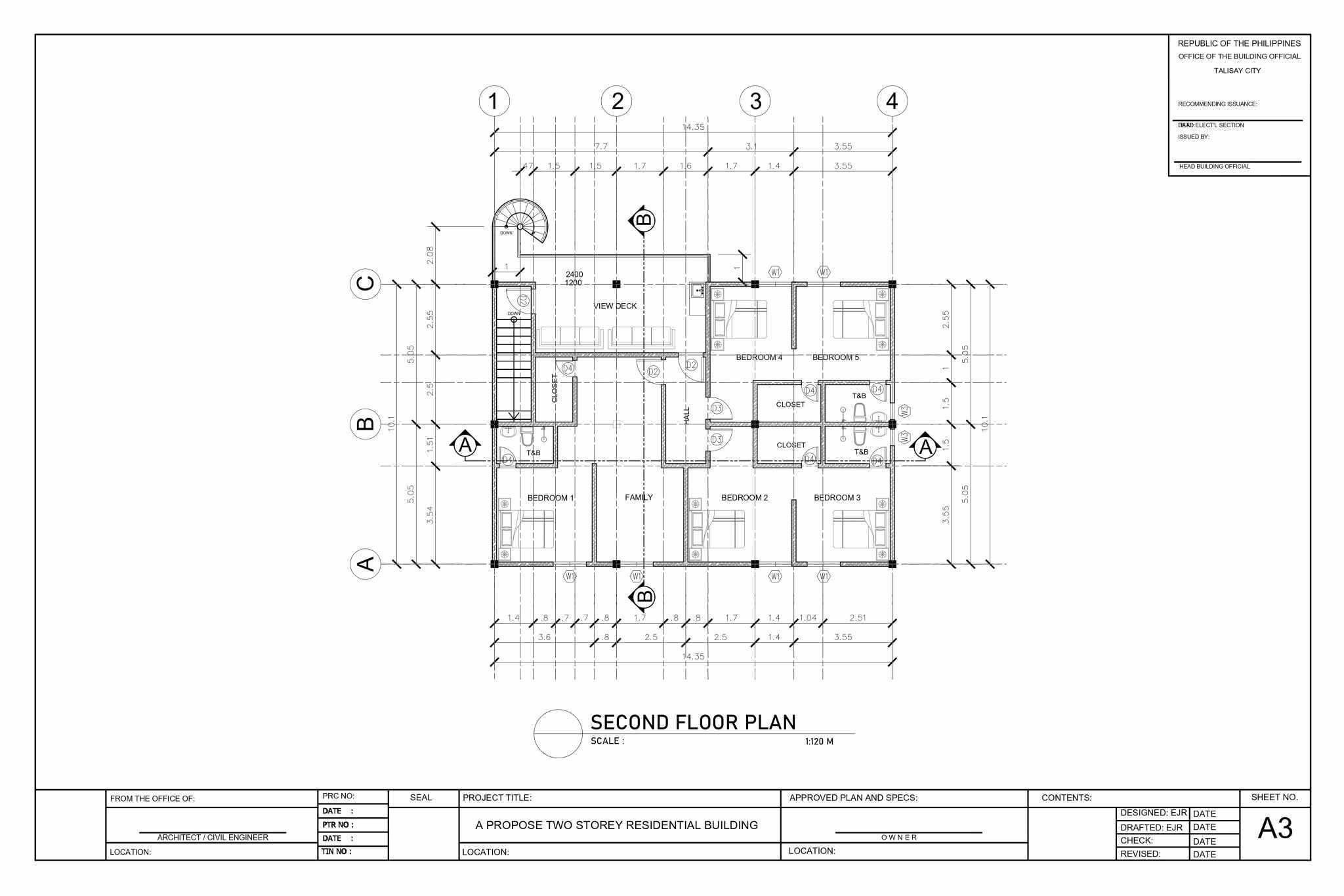
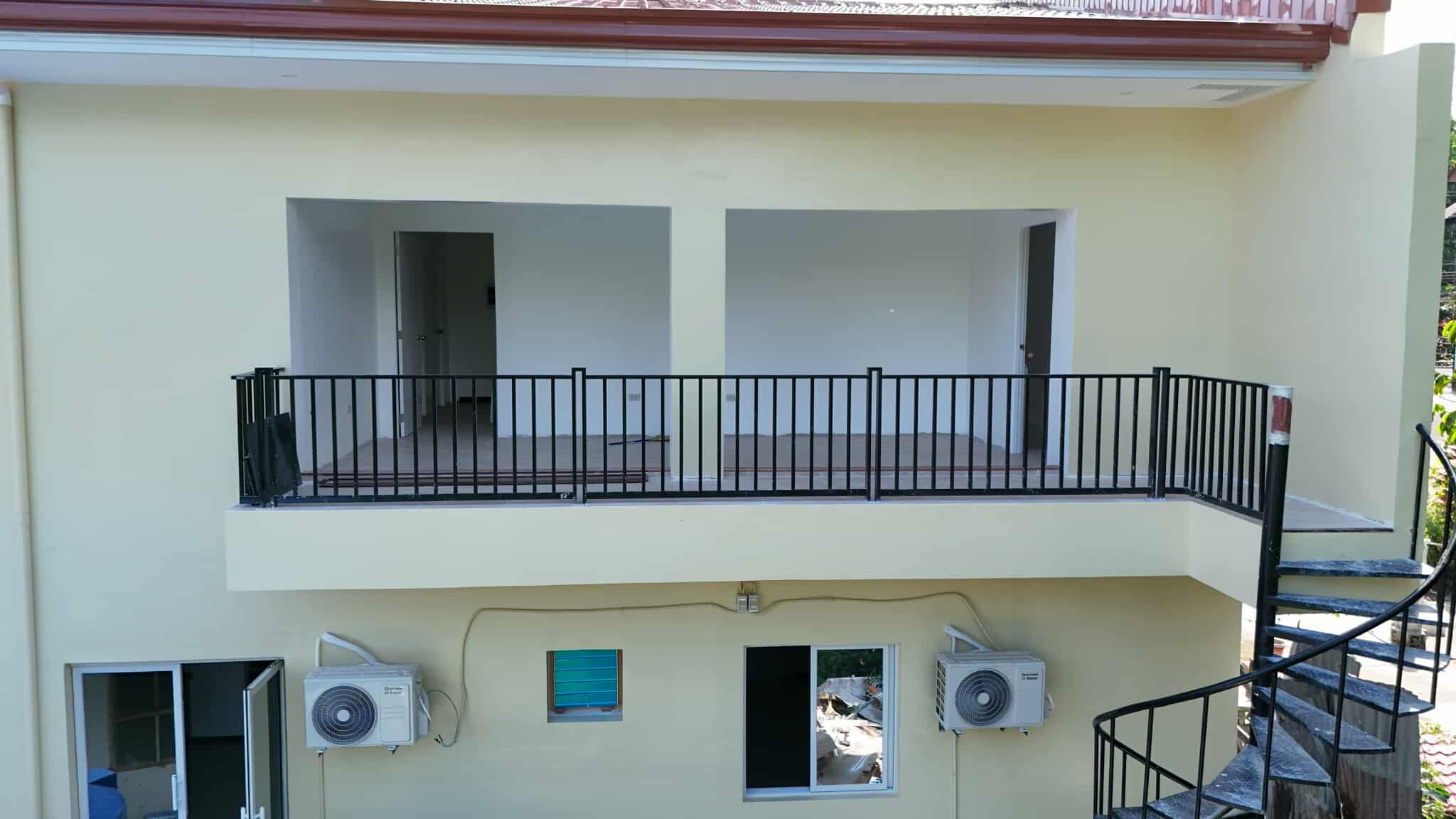
The 7.8 magnitude earthquake in General Santos city recently have made people rethink their ways of living and have actually thought of abandoning living in tall condominiums. Even standard 2 or 3 level residential structures have collapsed in the recent General Santos city earthquake. Well it was a really strong earthquake and most structures we see fail are those that have the over hang design where the second floor up to the higher floors overhang beyond the ground floor columns. This is to save space since the local building code dictates that you need to give a set back or easement space on the ground floor for pedestrians.
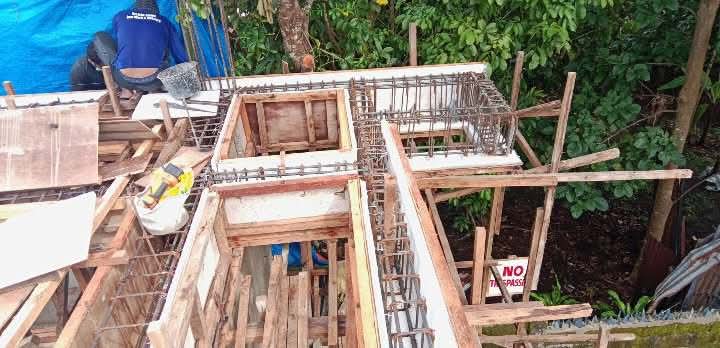
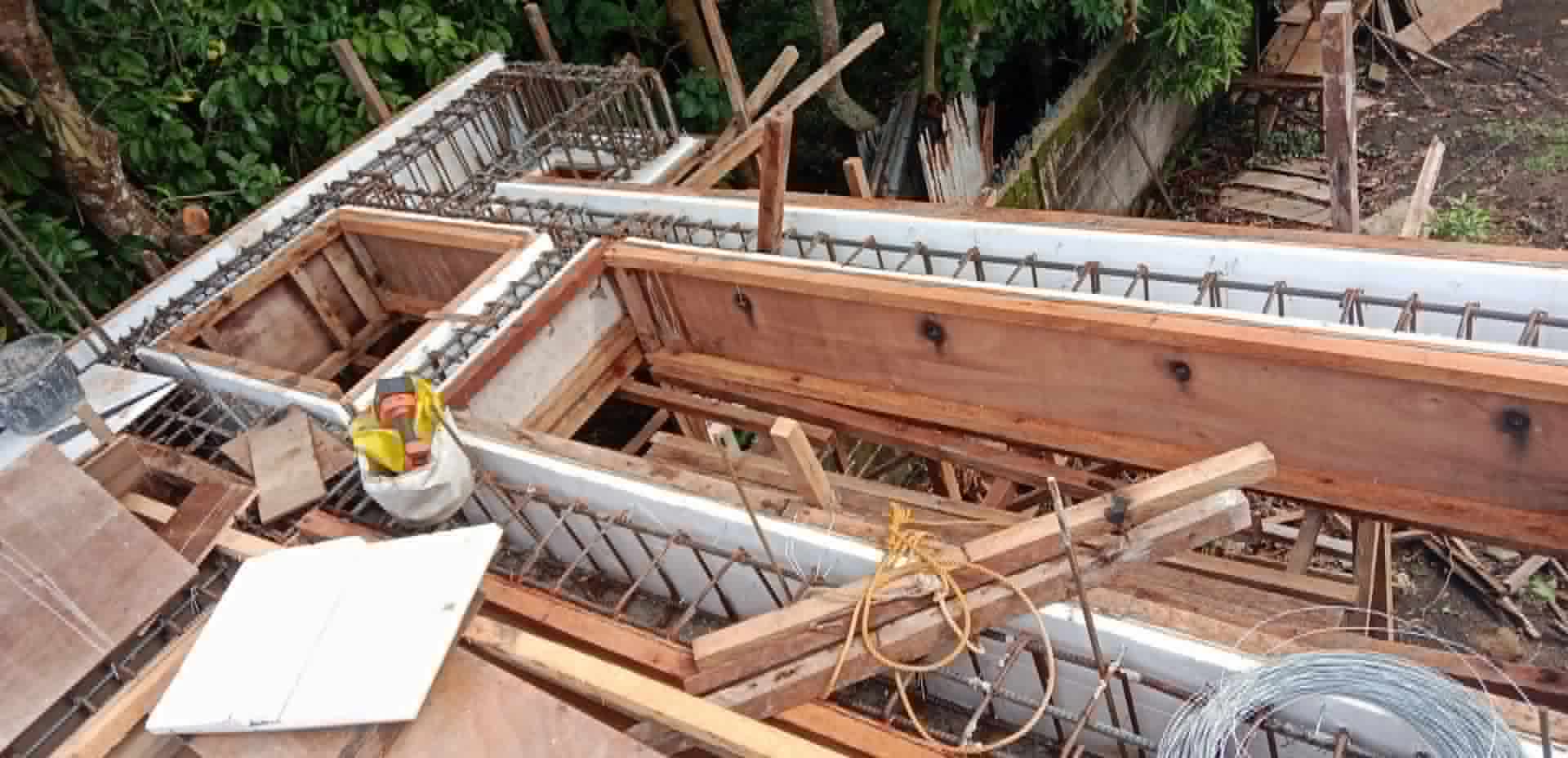
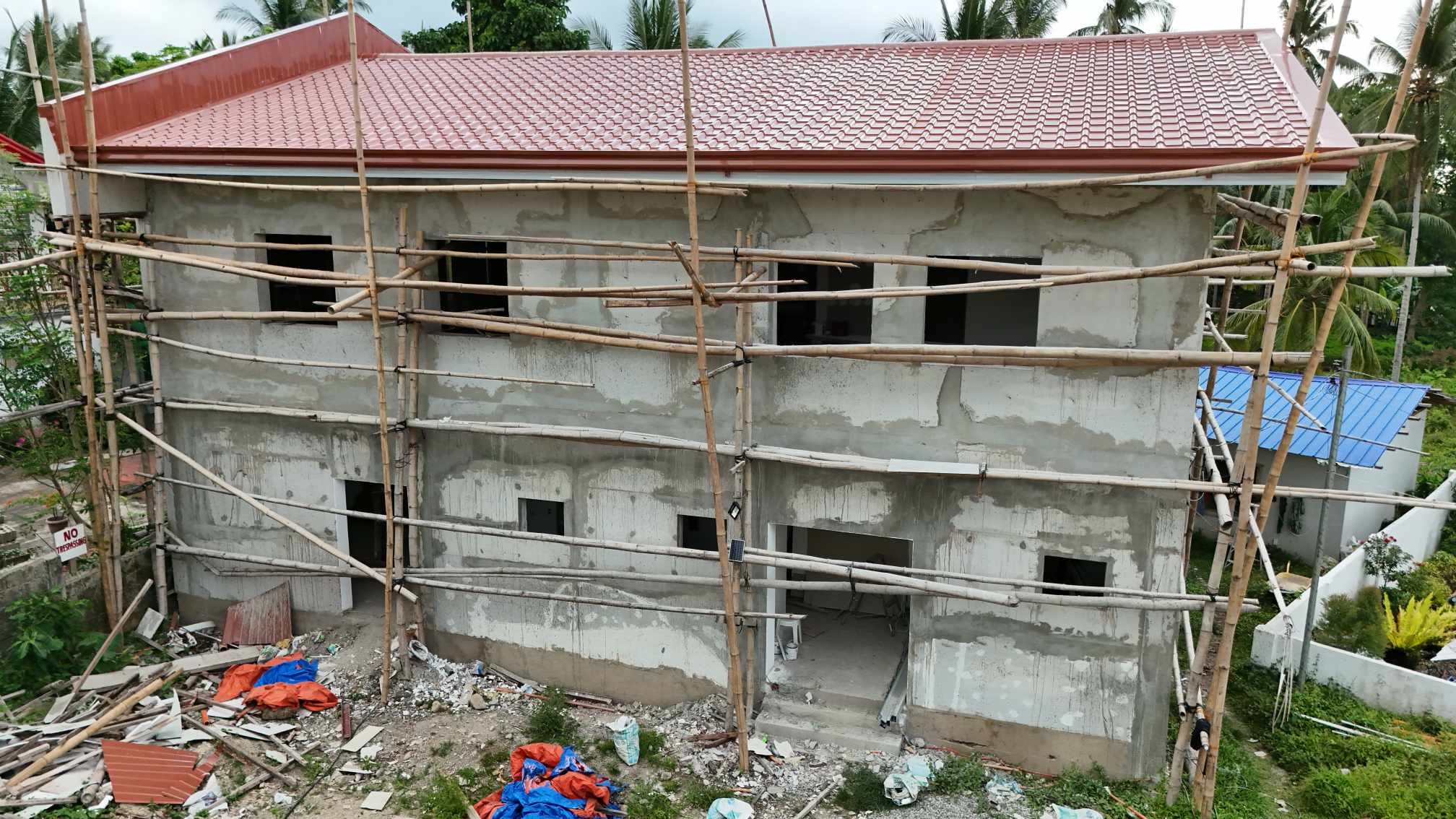
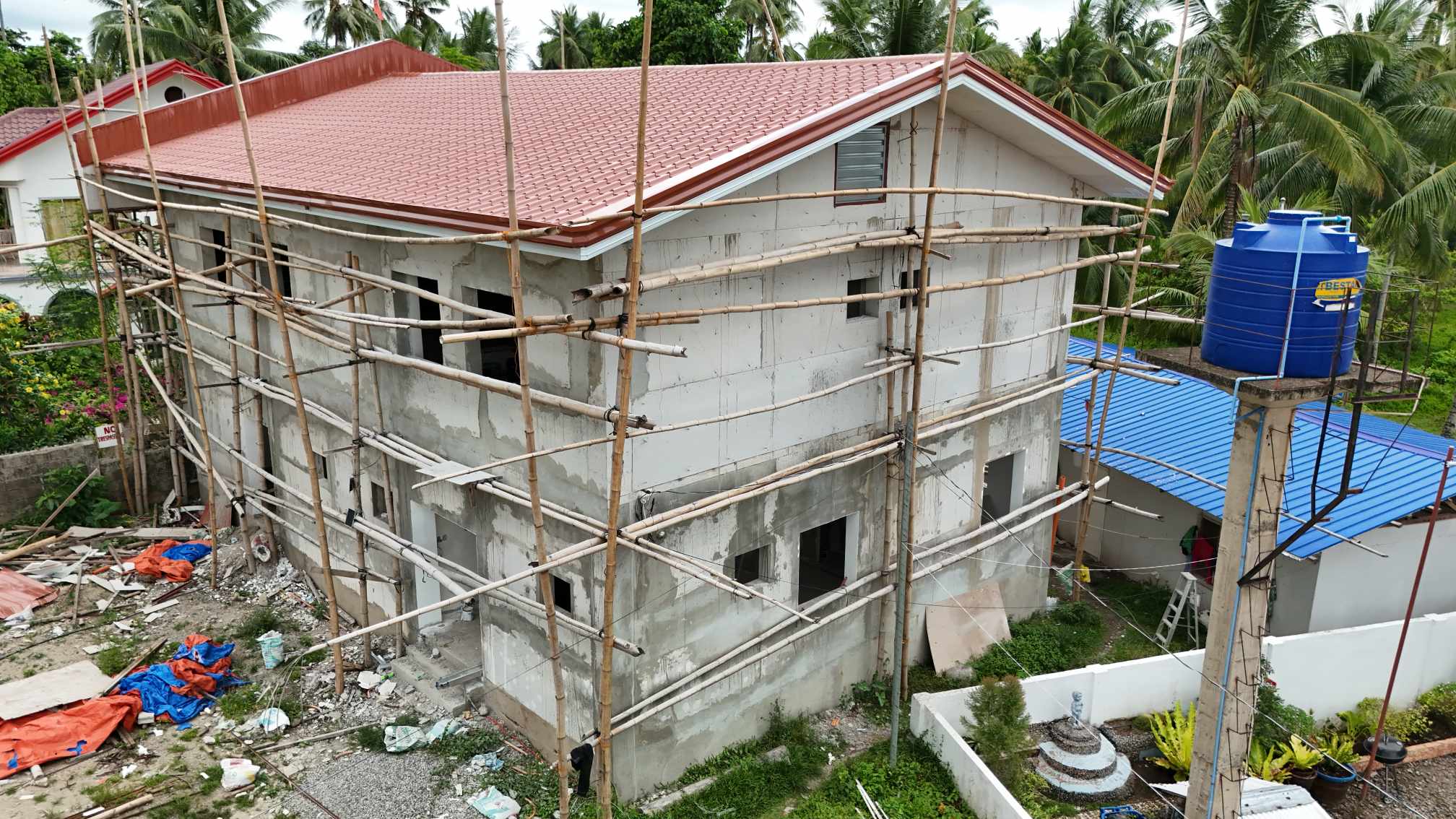
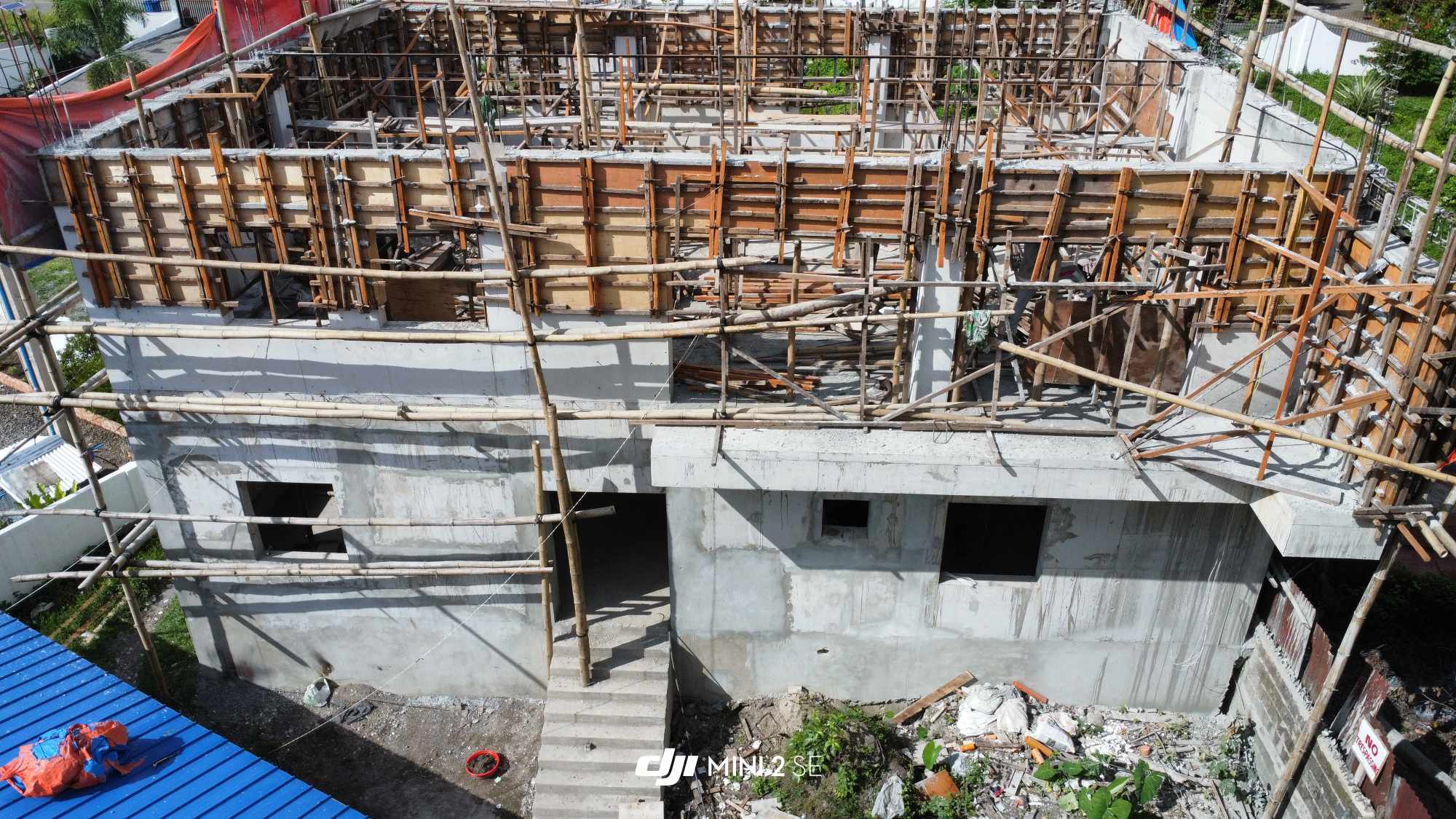
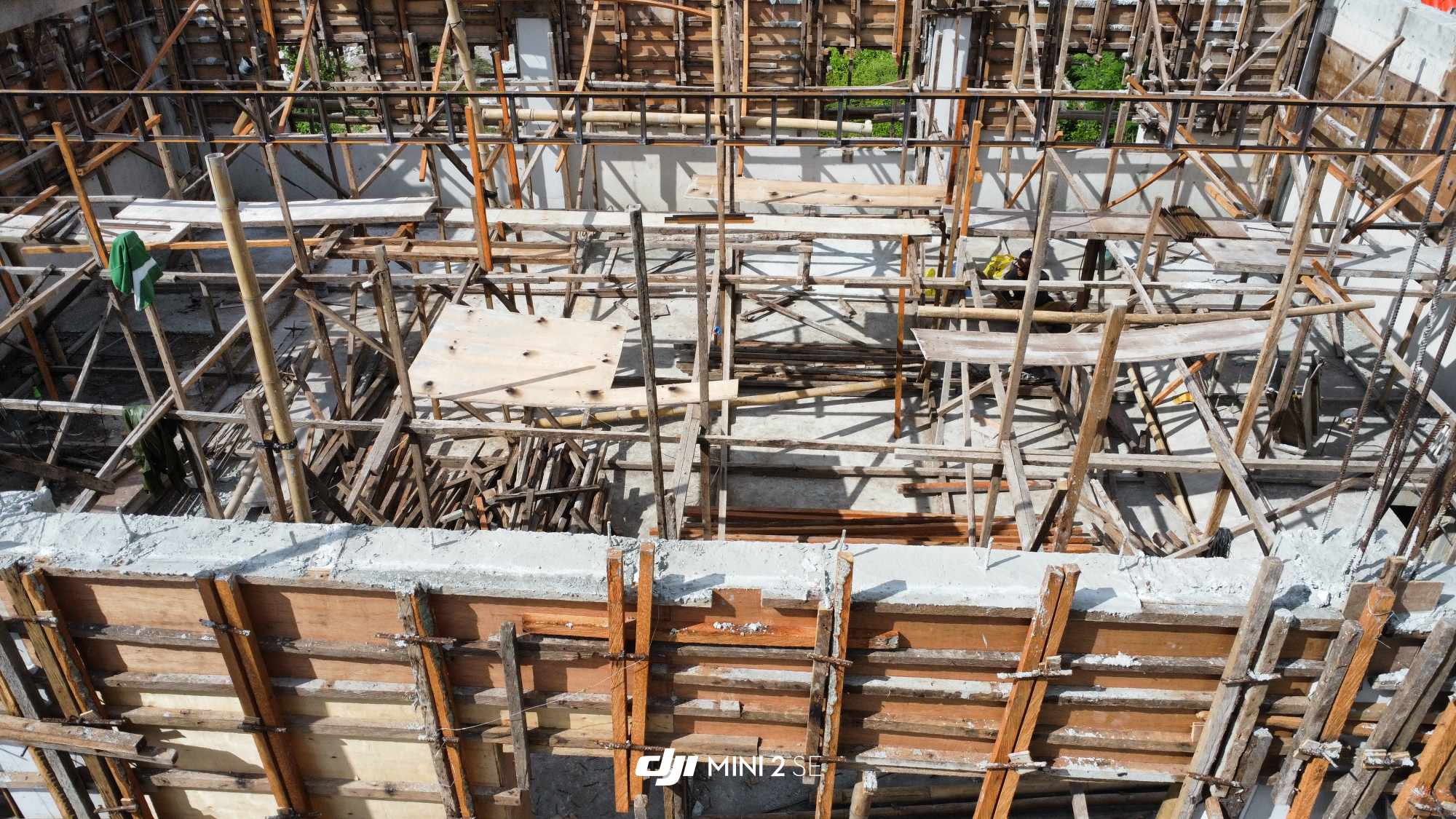
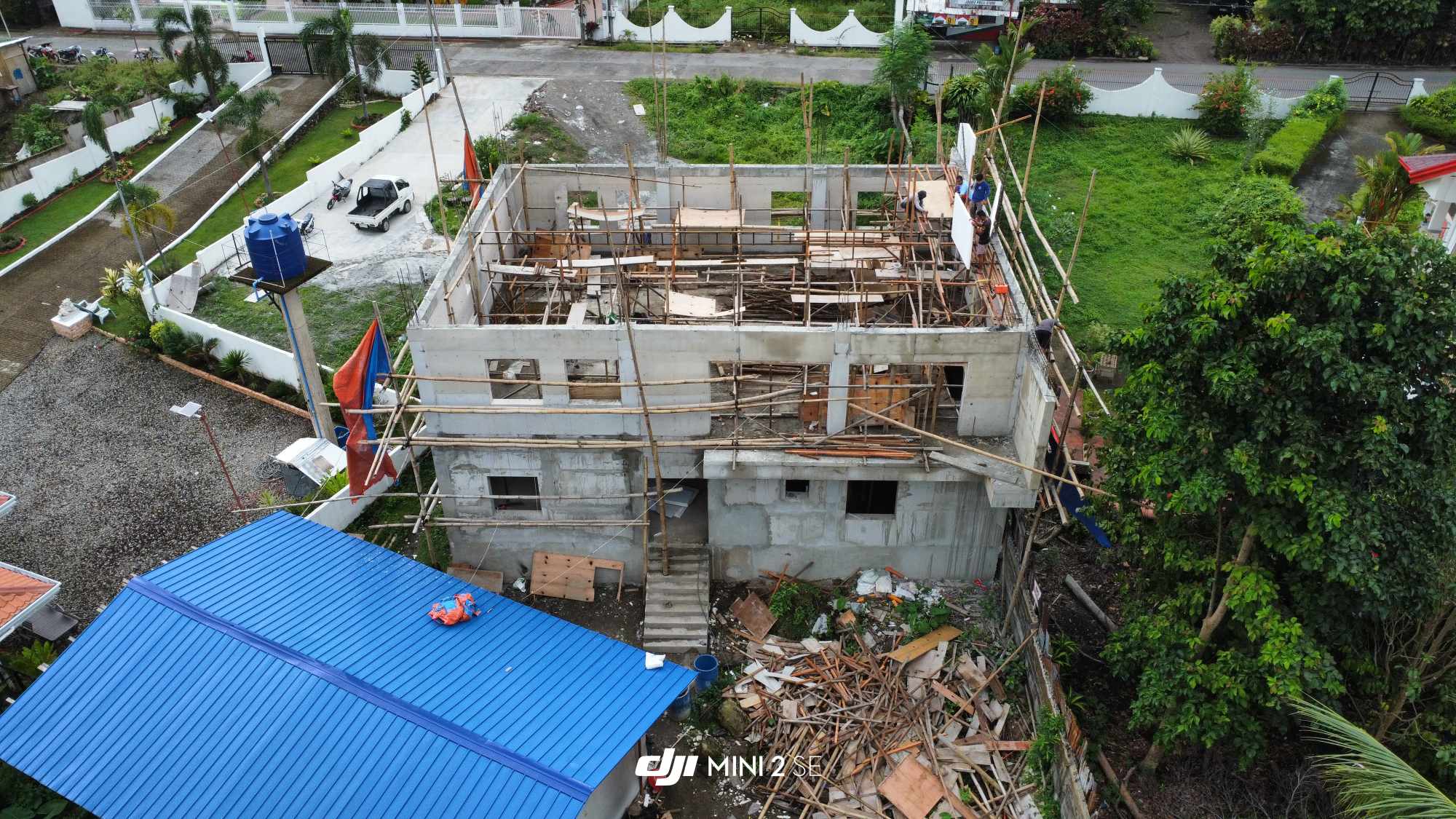
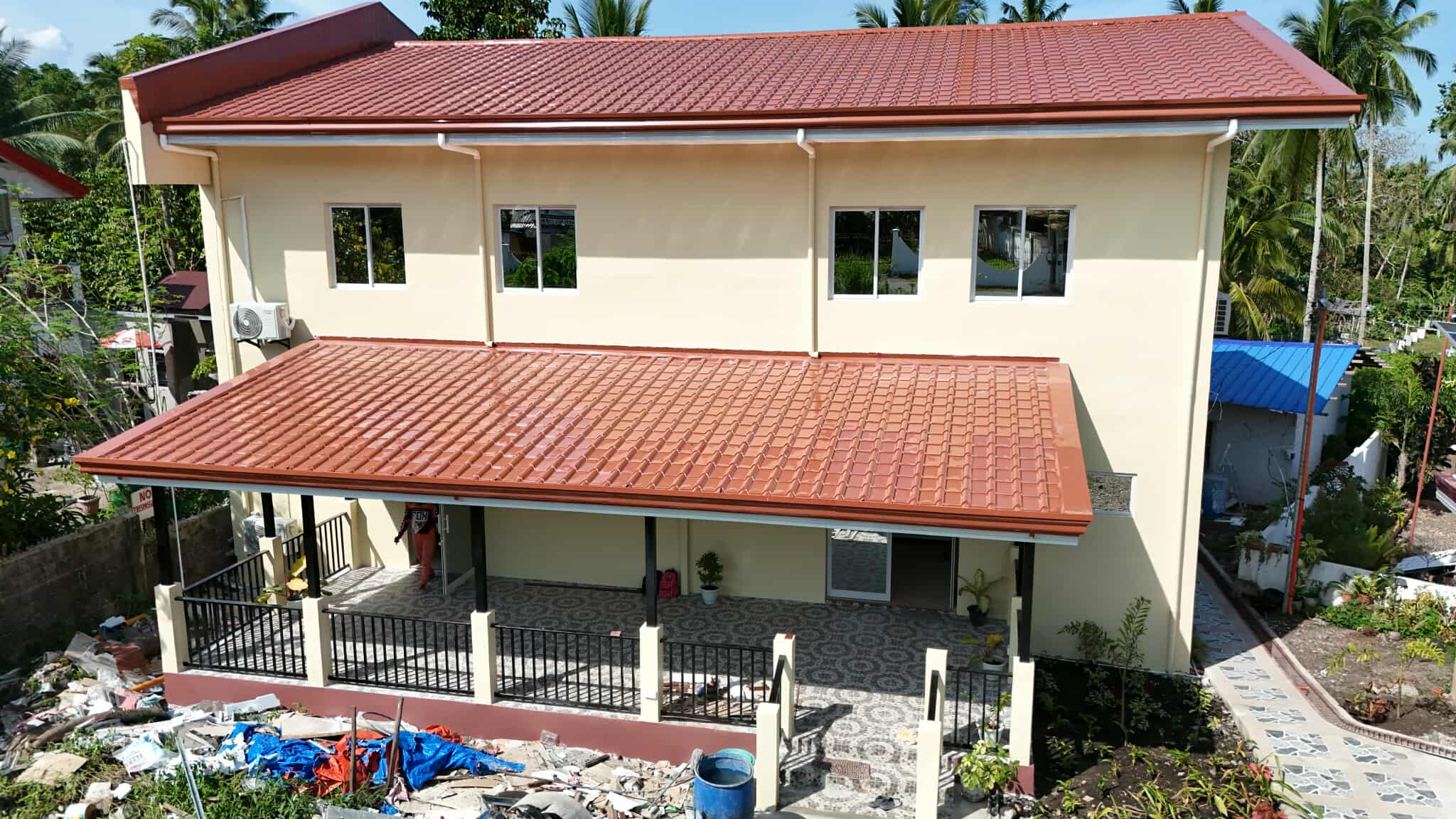
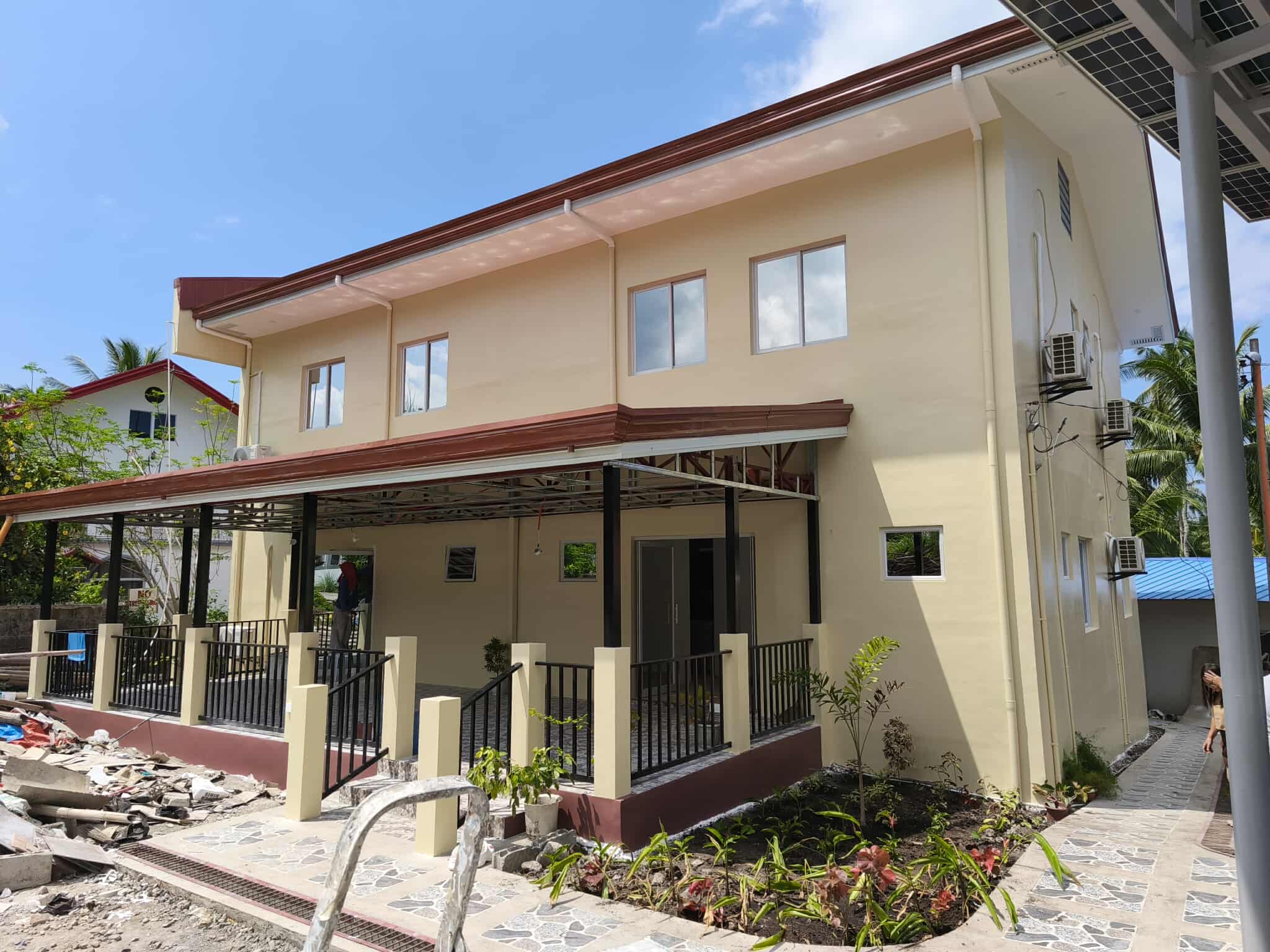
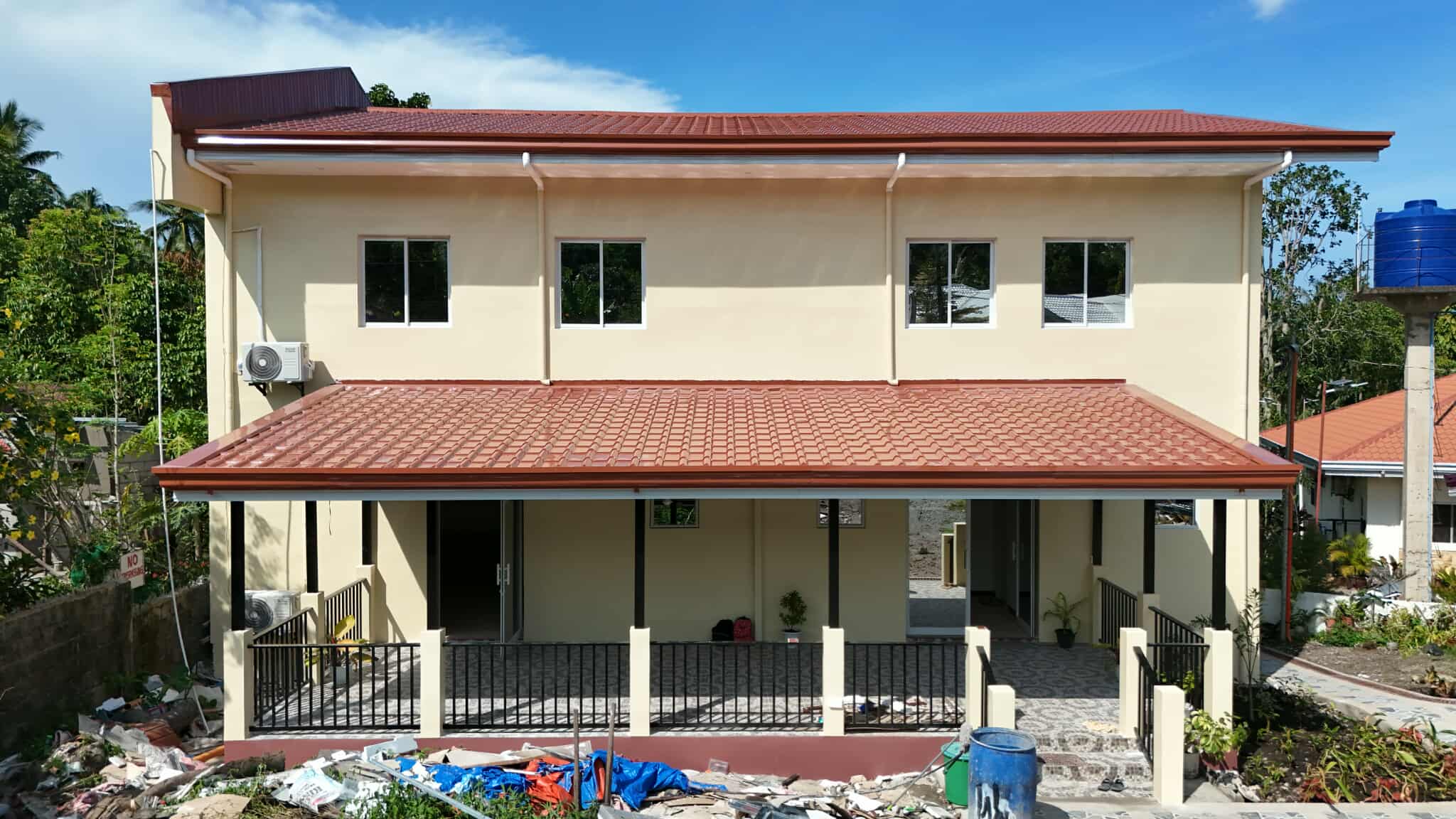
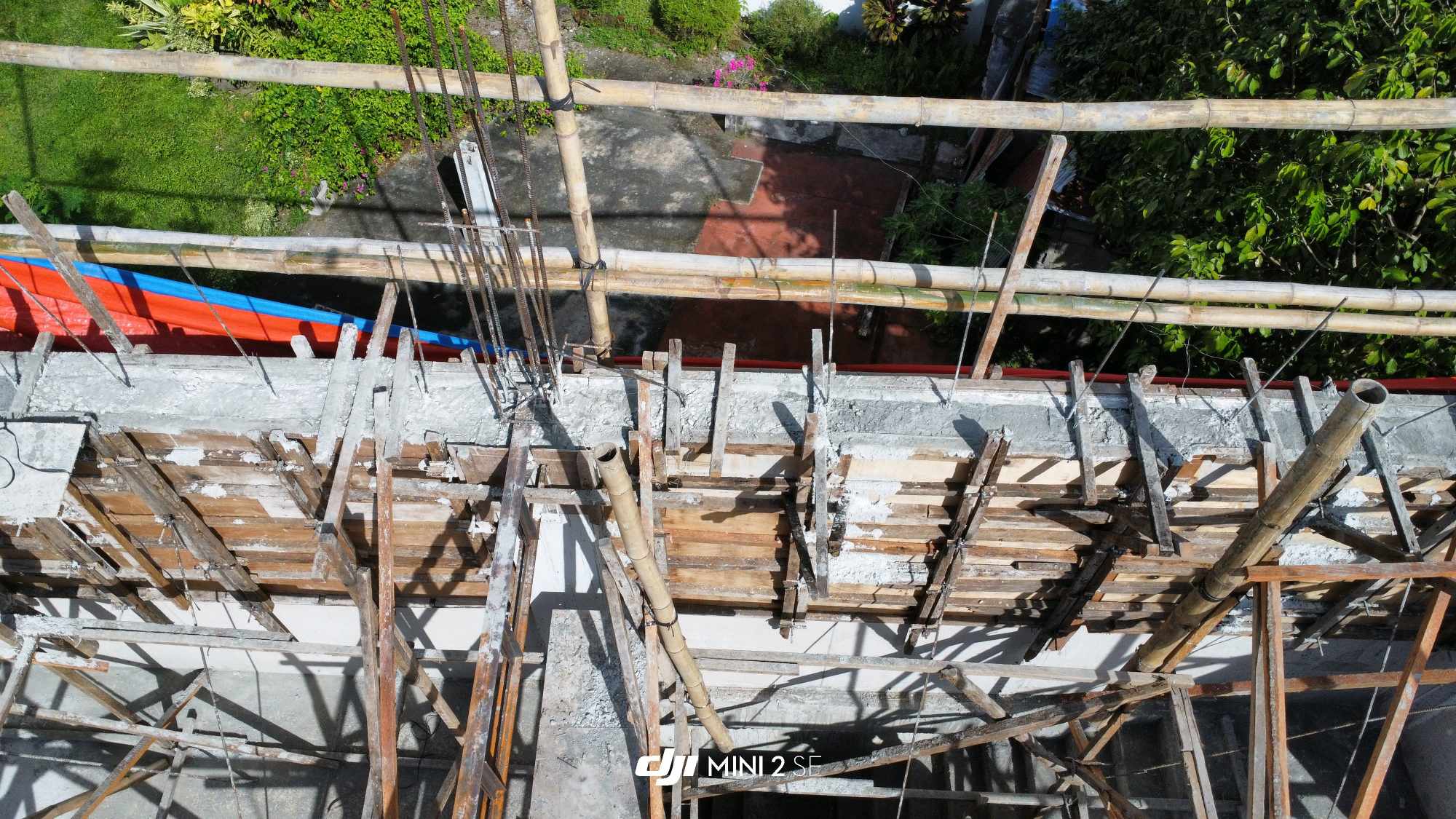
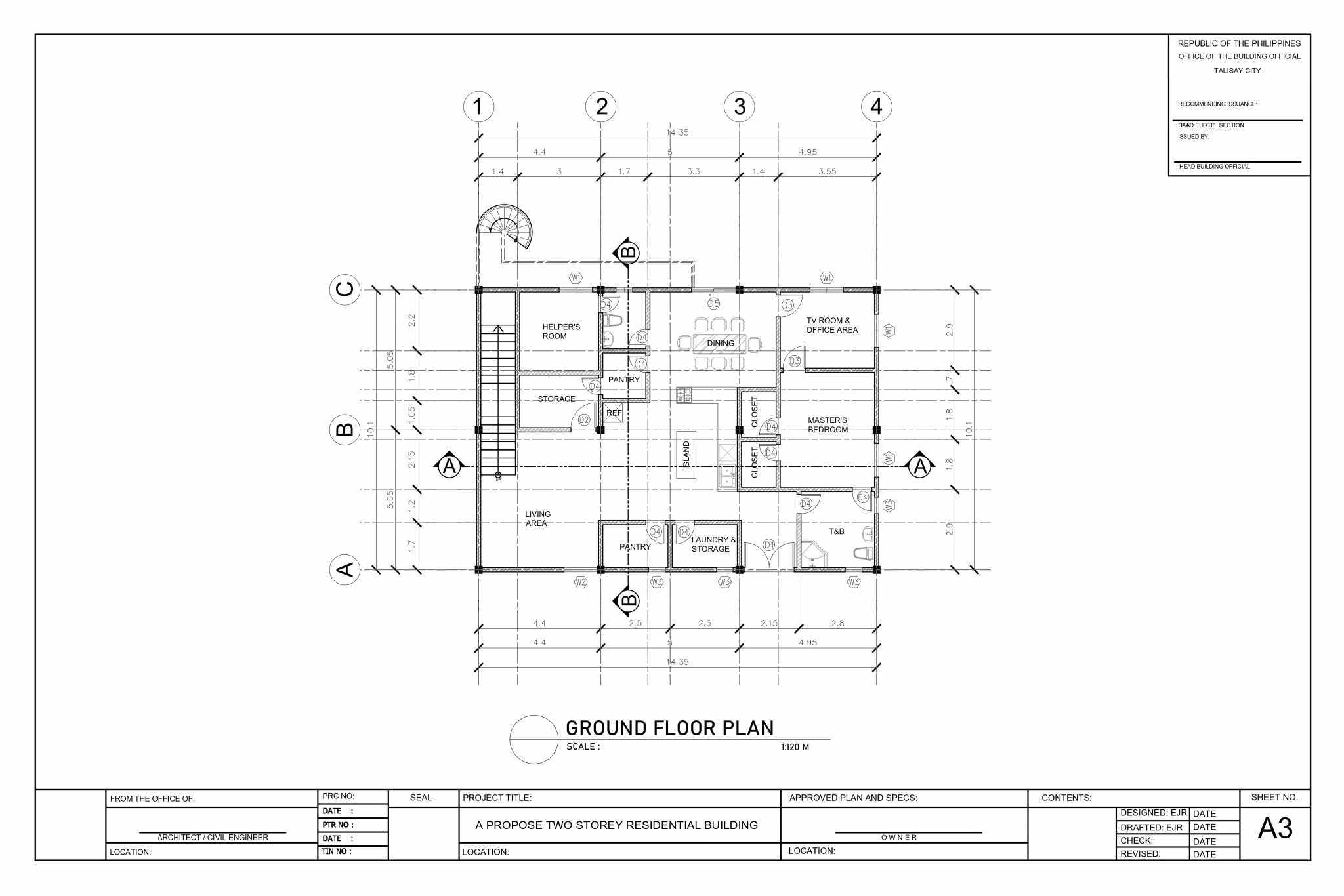
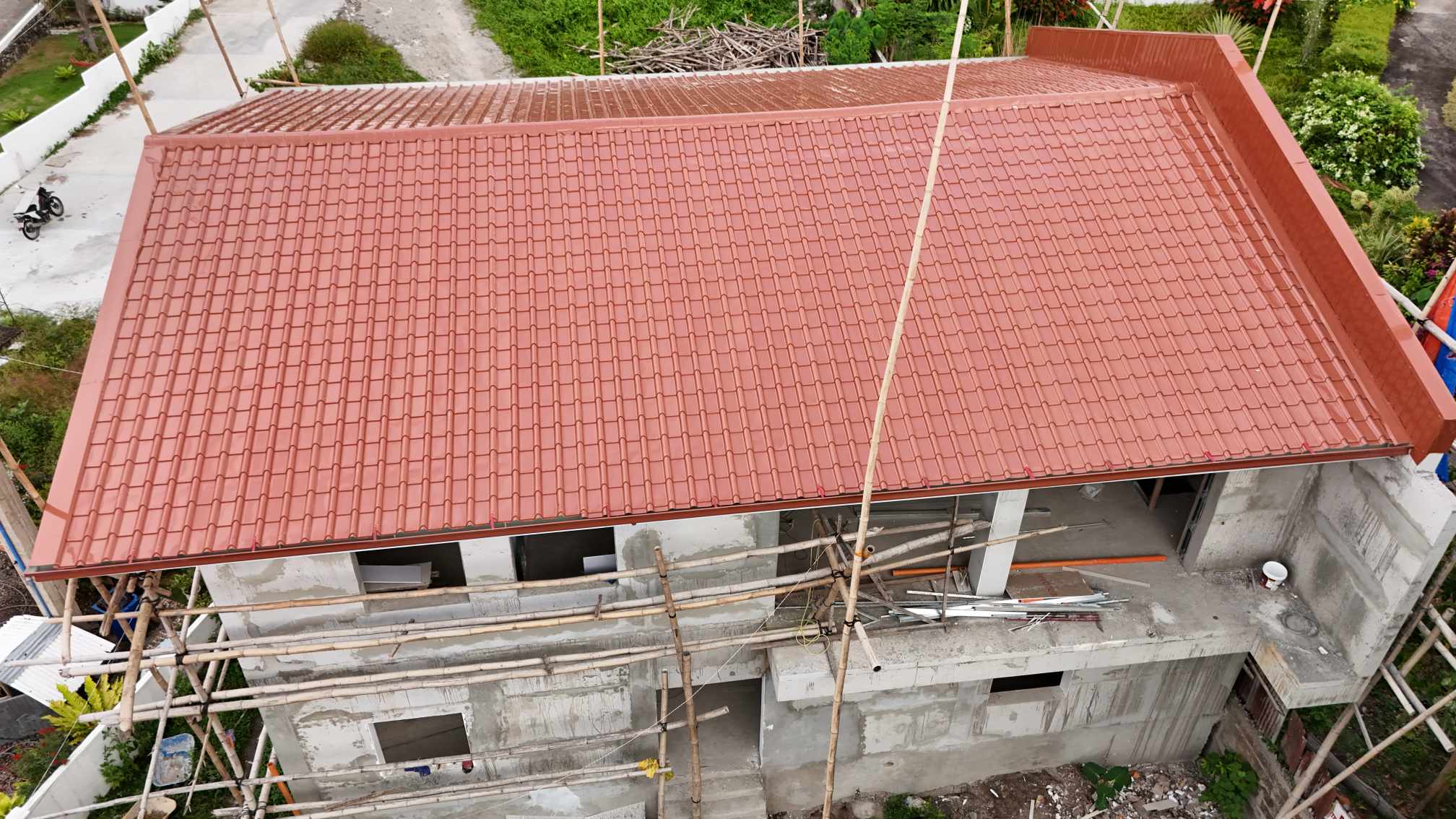
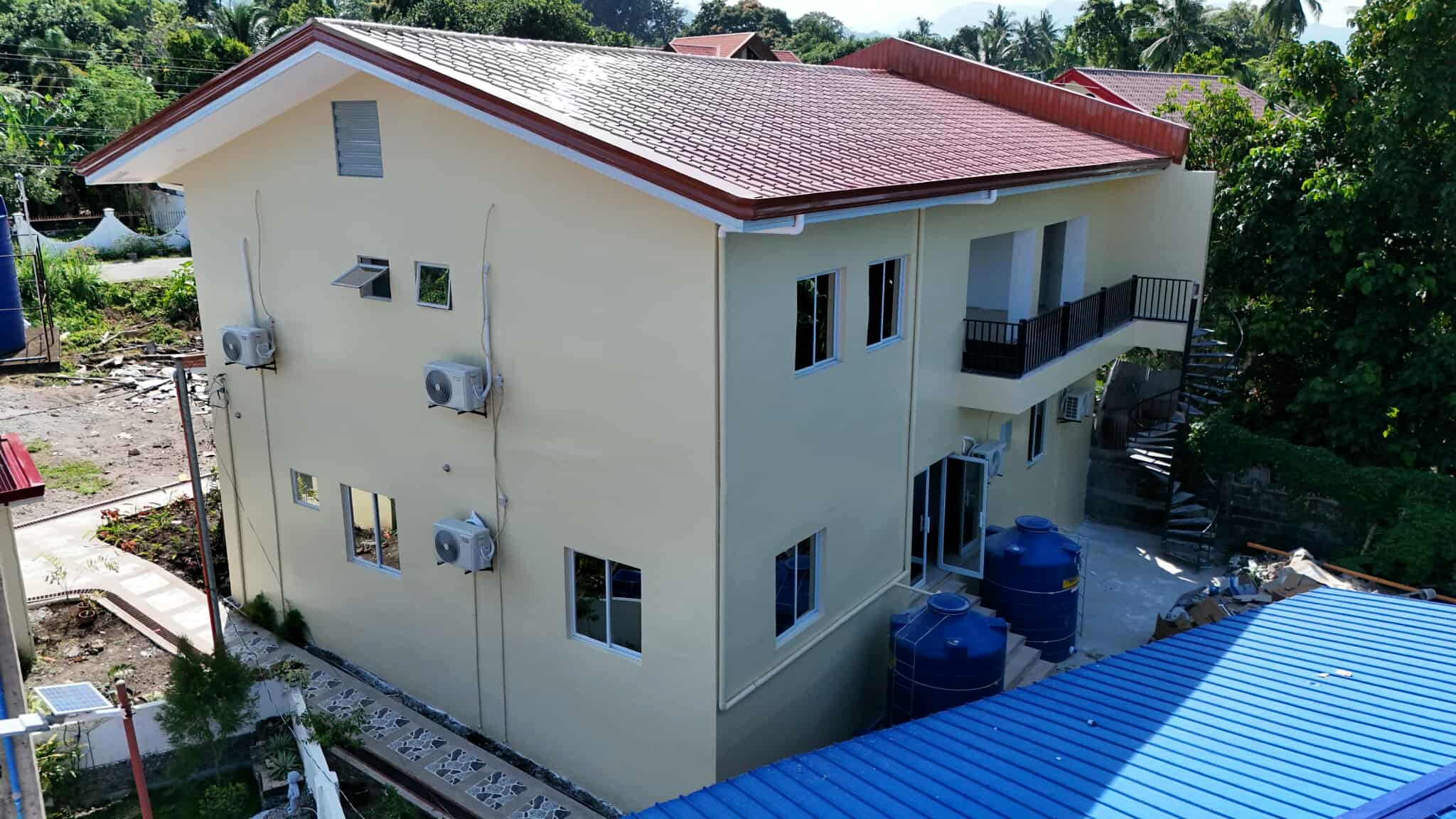
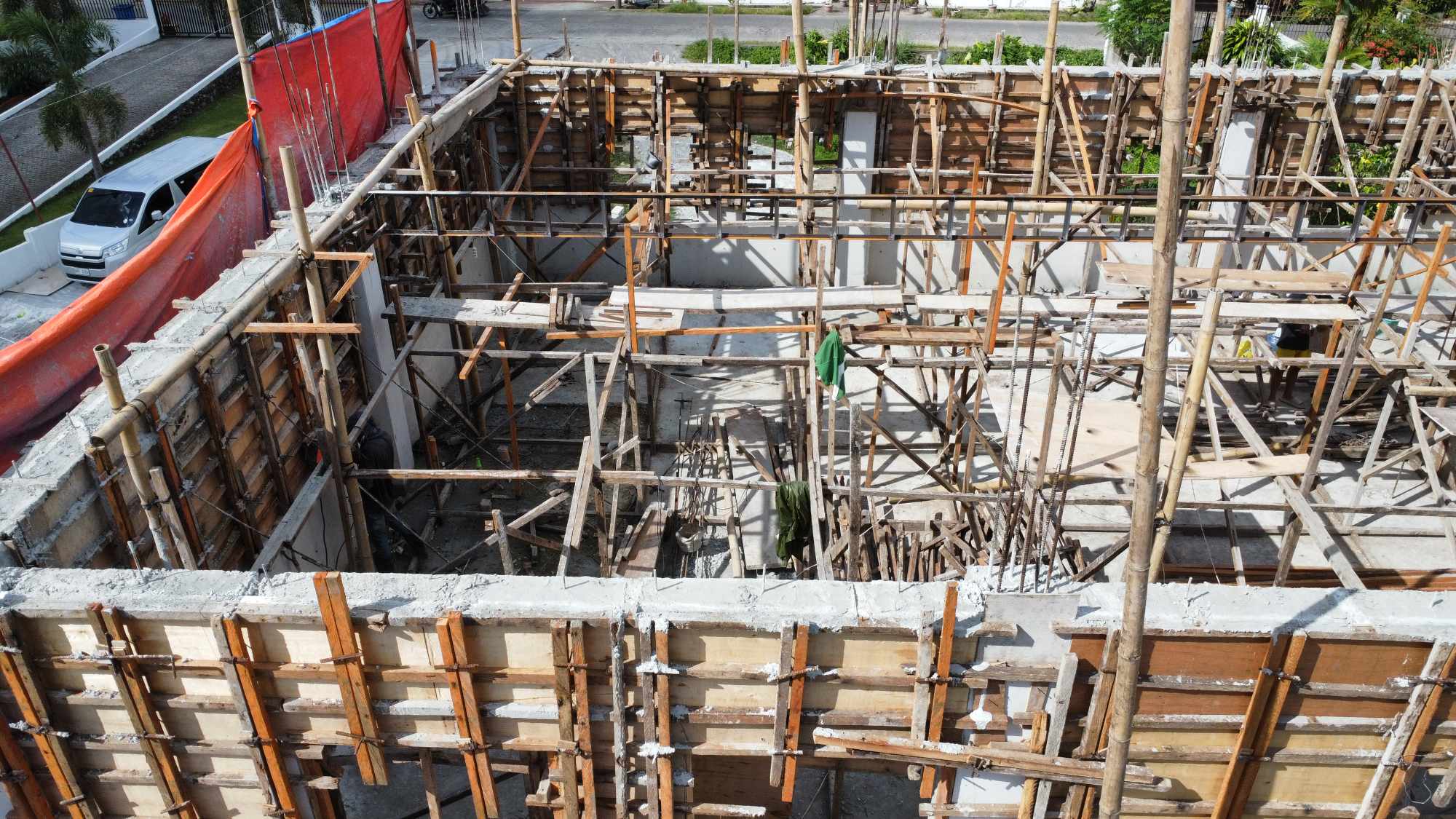
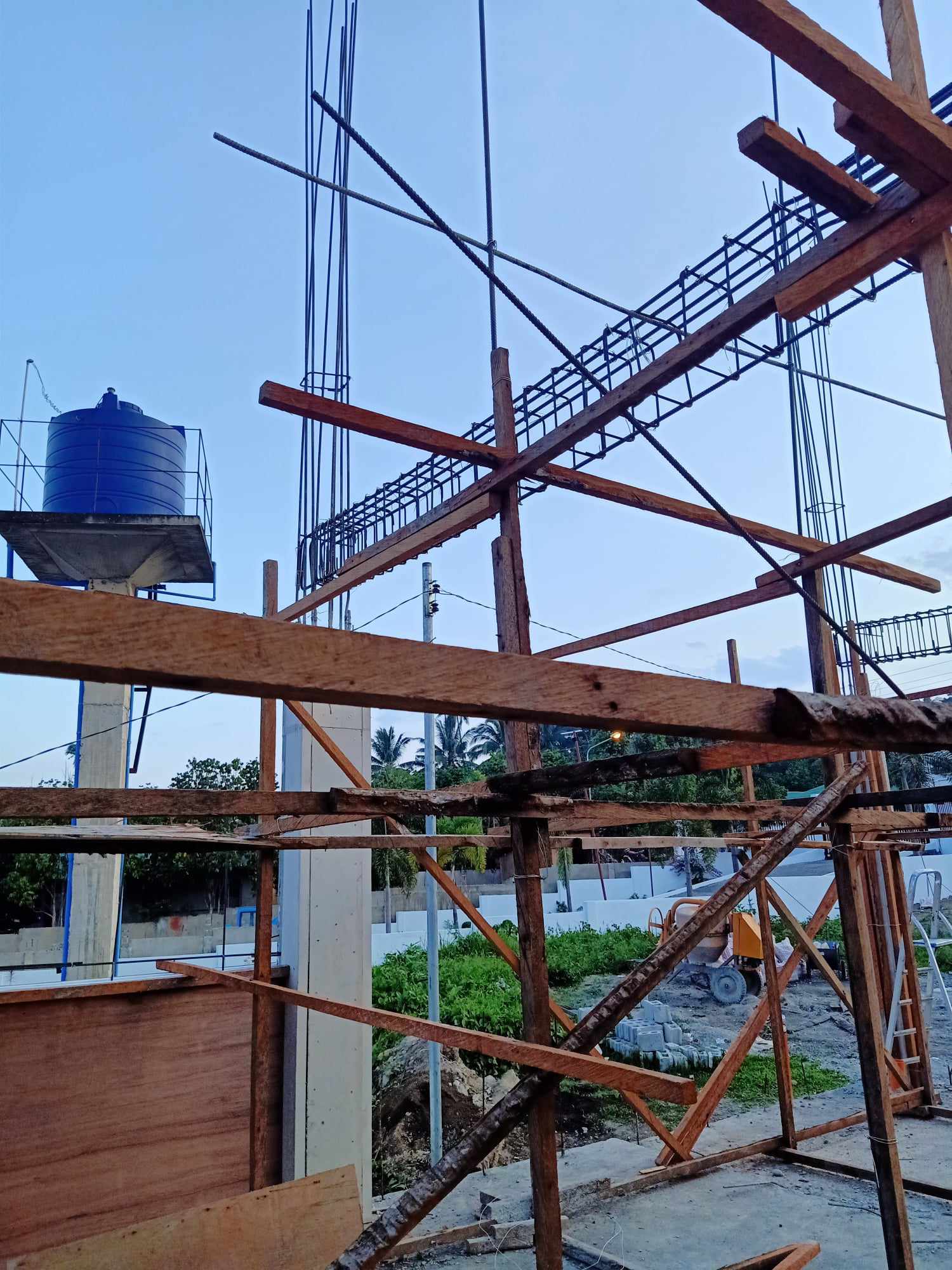
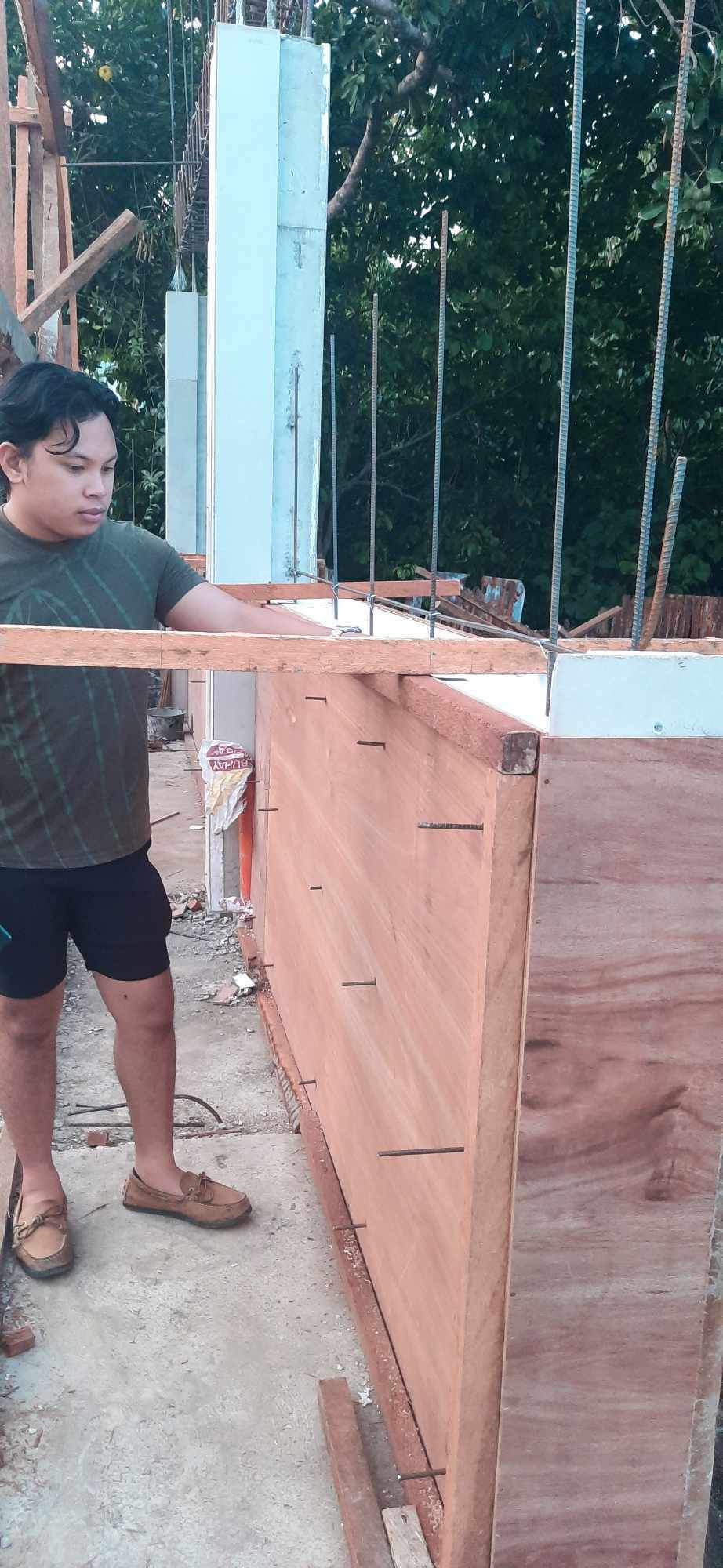
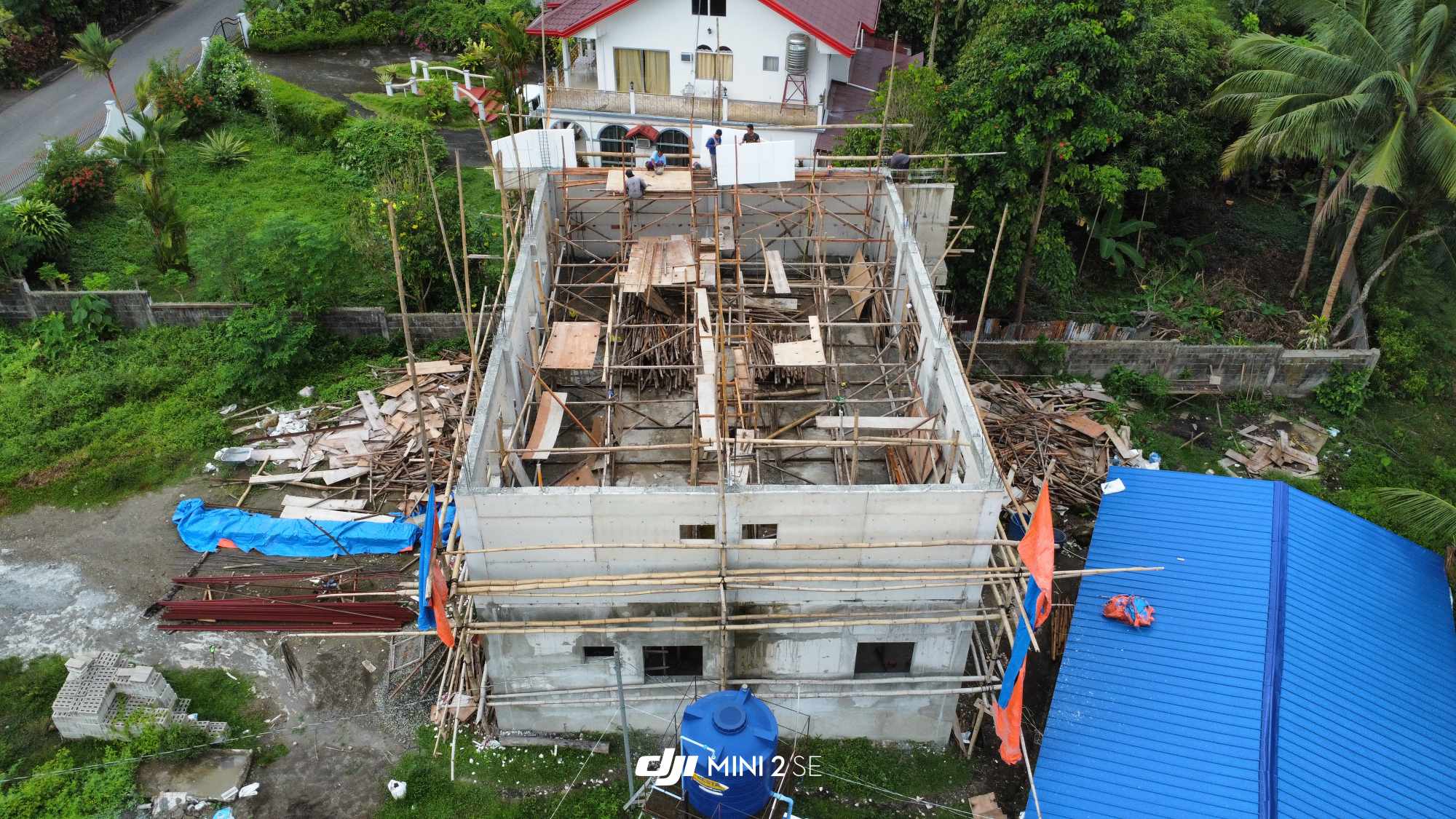
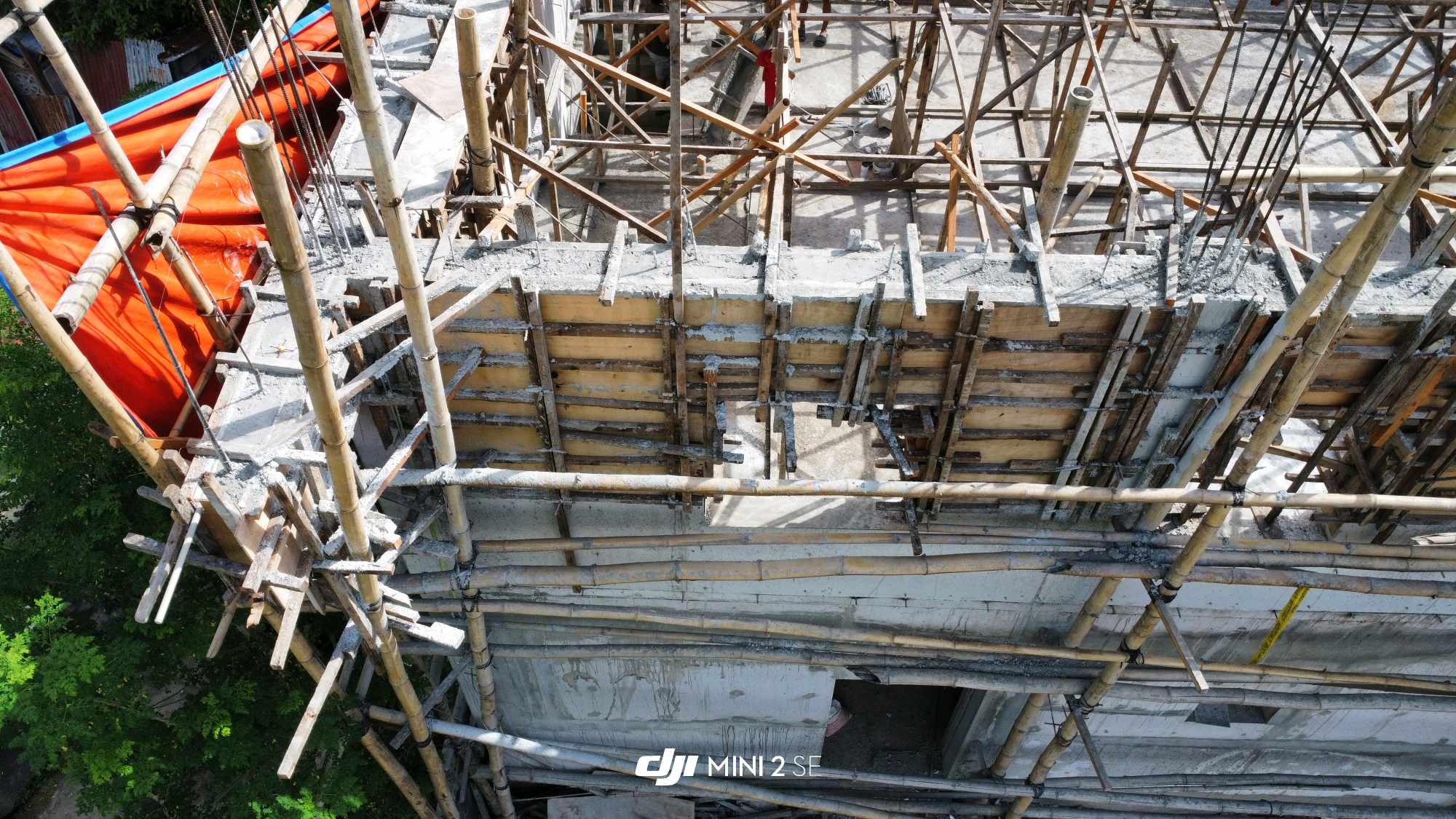
For those planning to build a standard 2 to 3 level home, it is now highly recommended that you reinforce your new structure with solid poured load bearing walls, not just rely on bricks. The traditional design is to have bricks on the walls and rely heavily on the columns and beams for structural integrity. These days where we see structures collapsing due to the recent earthquake, it’s about time to raise our budget for our homes and make our walls a shear wall that contributes in the load bearing – thus your upper floor are now supported not just by your columns but also by your load bearing solid walls and your upper floors’ weight is now evenly distributed thus your home will be stronger and able to resist the swaying during earthquakes. A solid poured wall will not be practical for tall buildings since it will make it more heavy and more costly, but you can easily increase the budget for your 2-3 level house to make it rock solid and earthquake-proof that you can hand down to your children all the way down to your grand children and great great grand children.
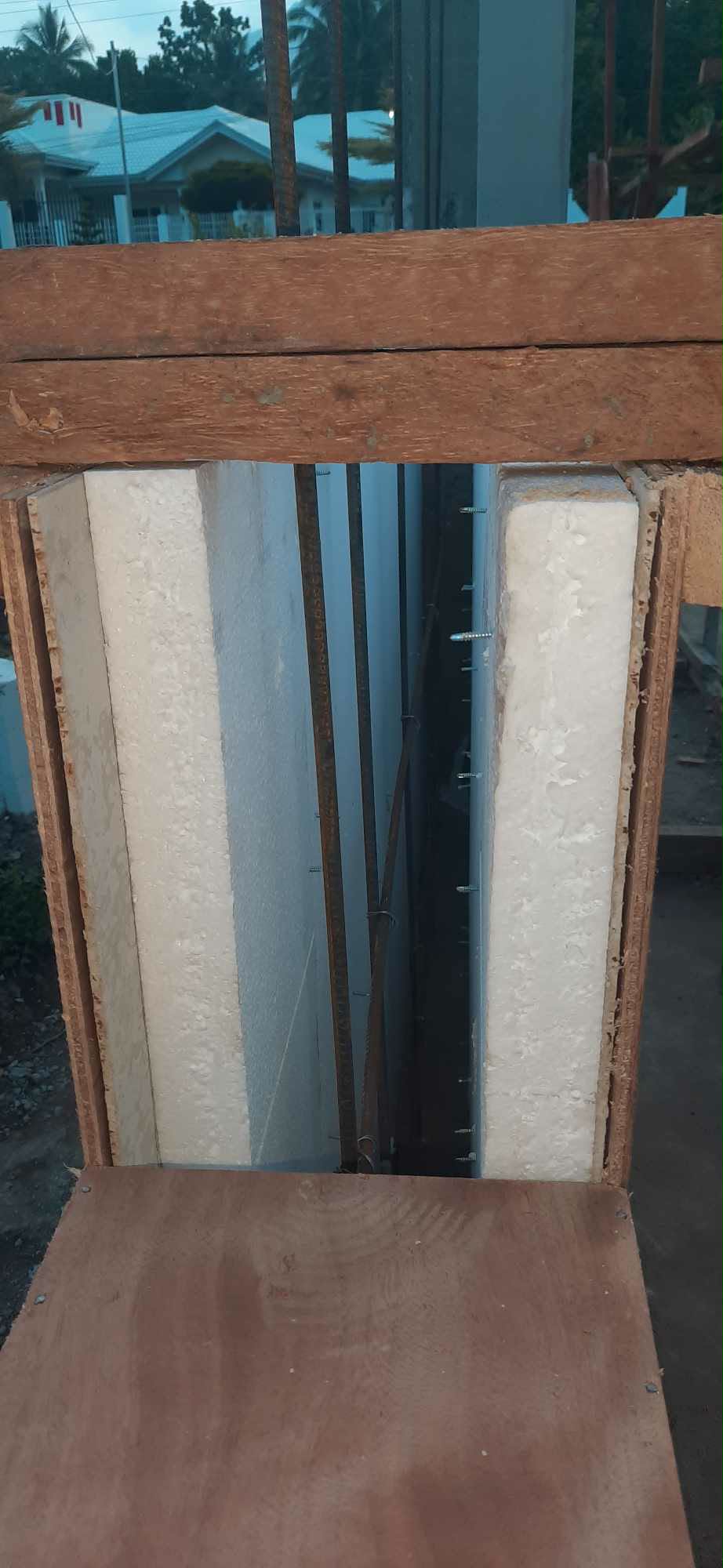
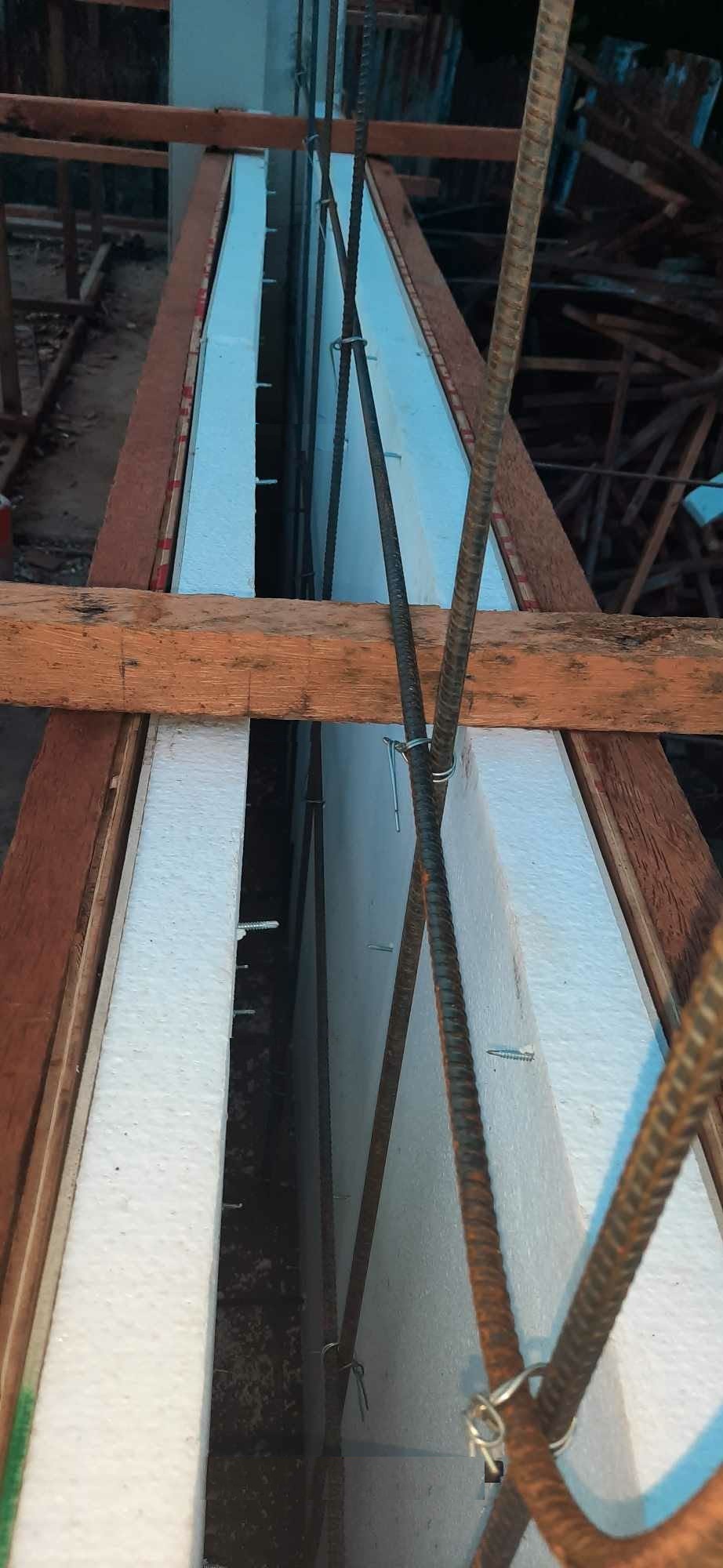
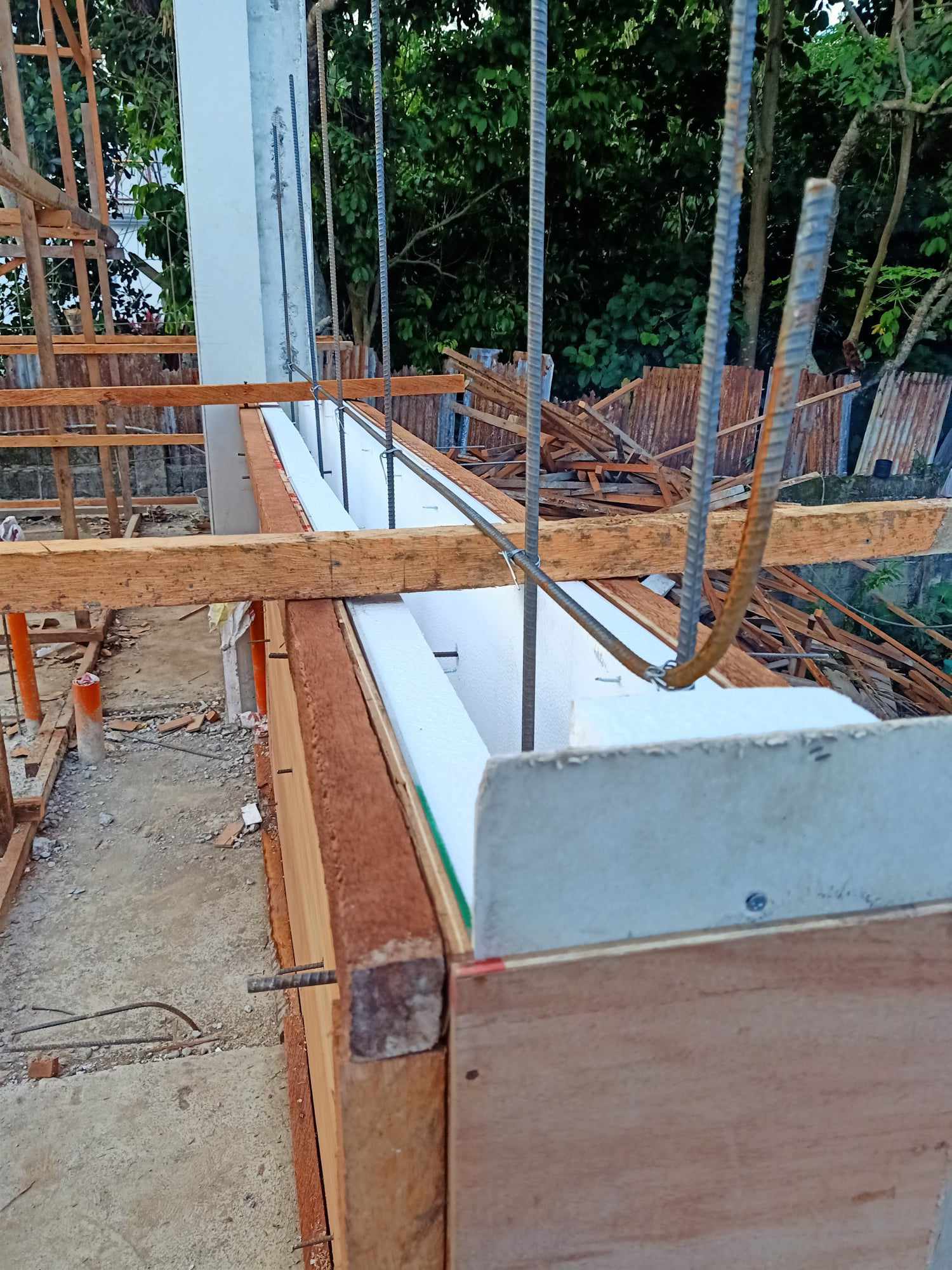
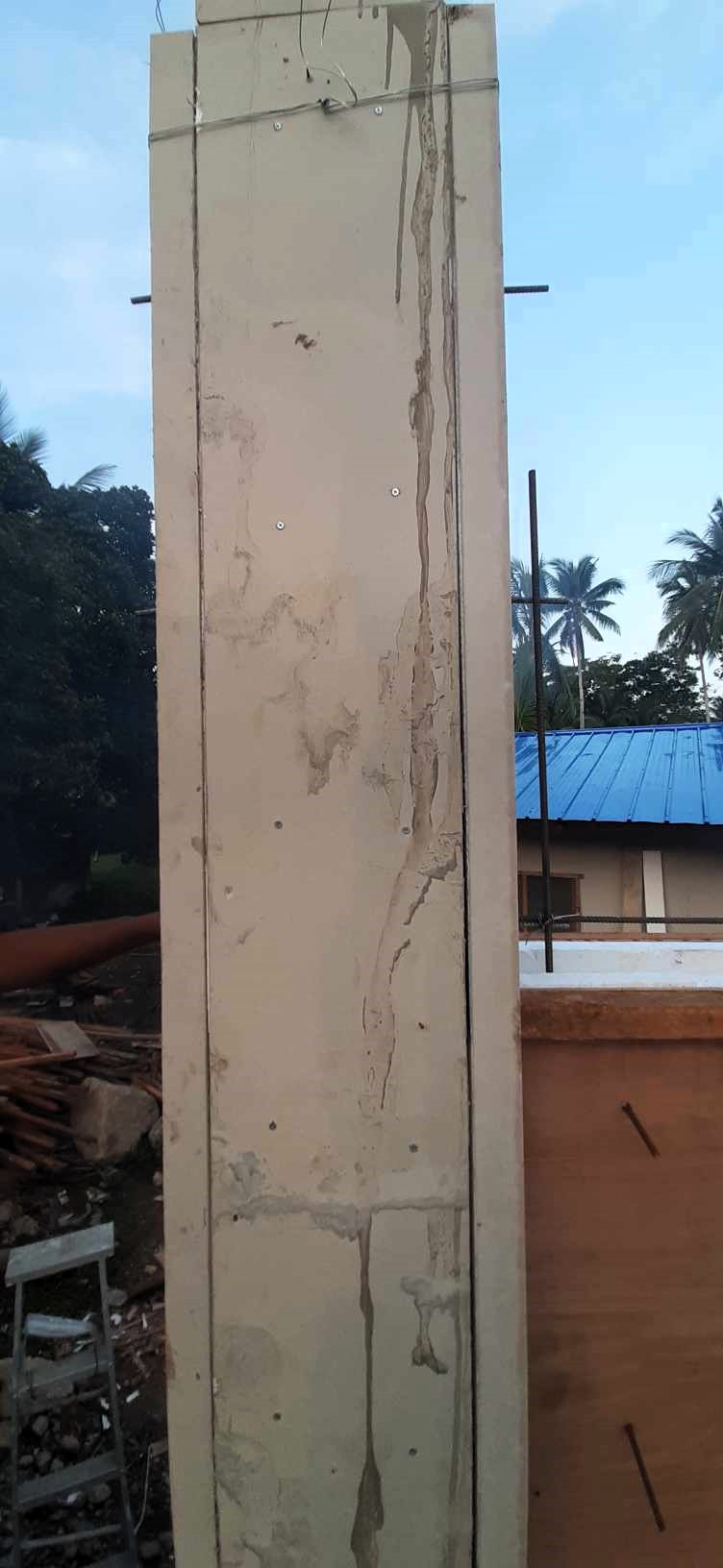
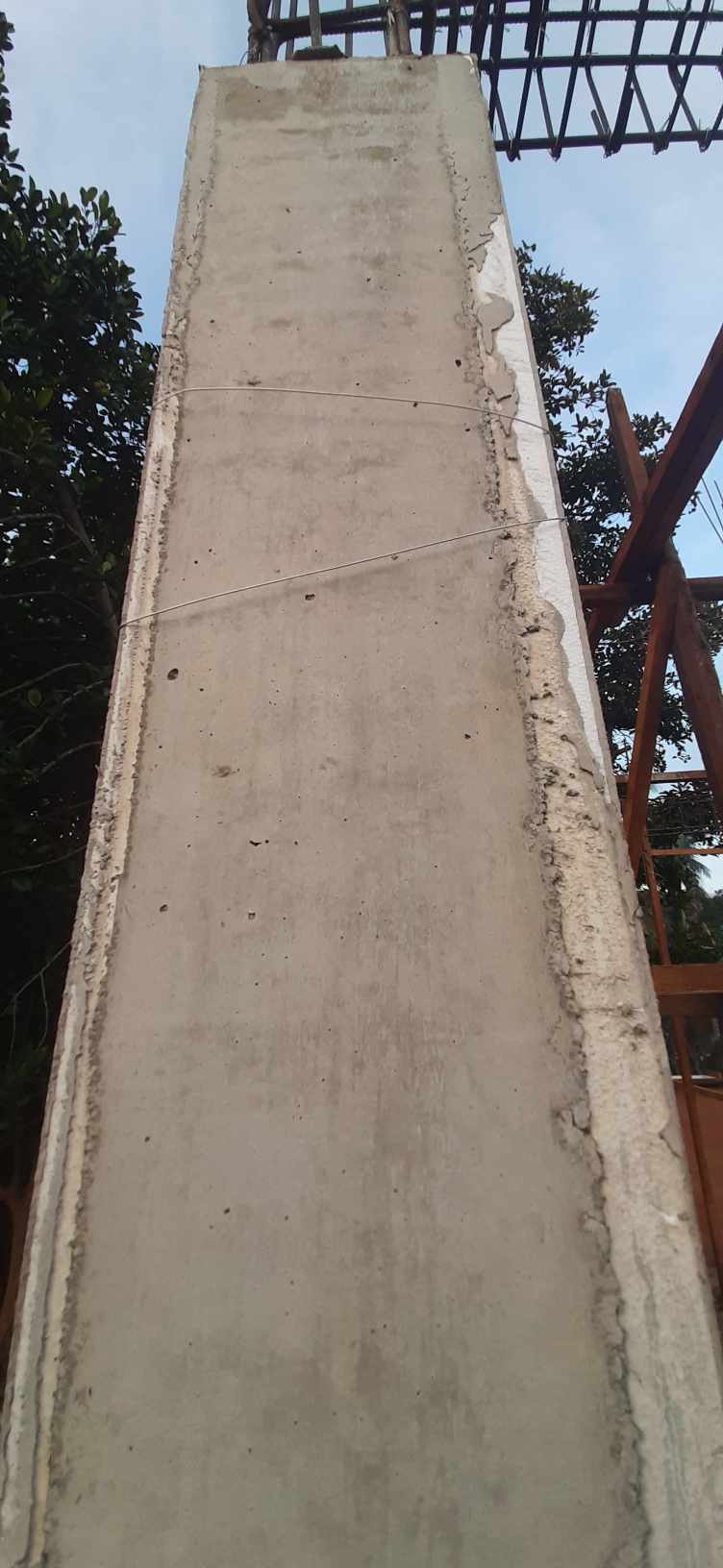
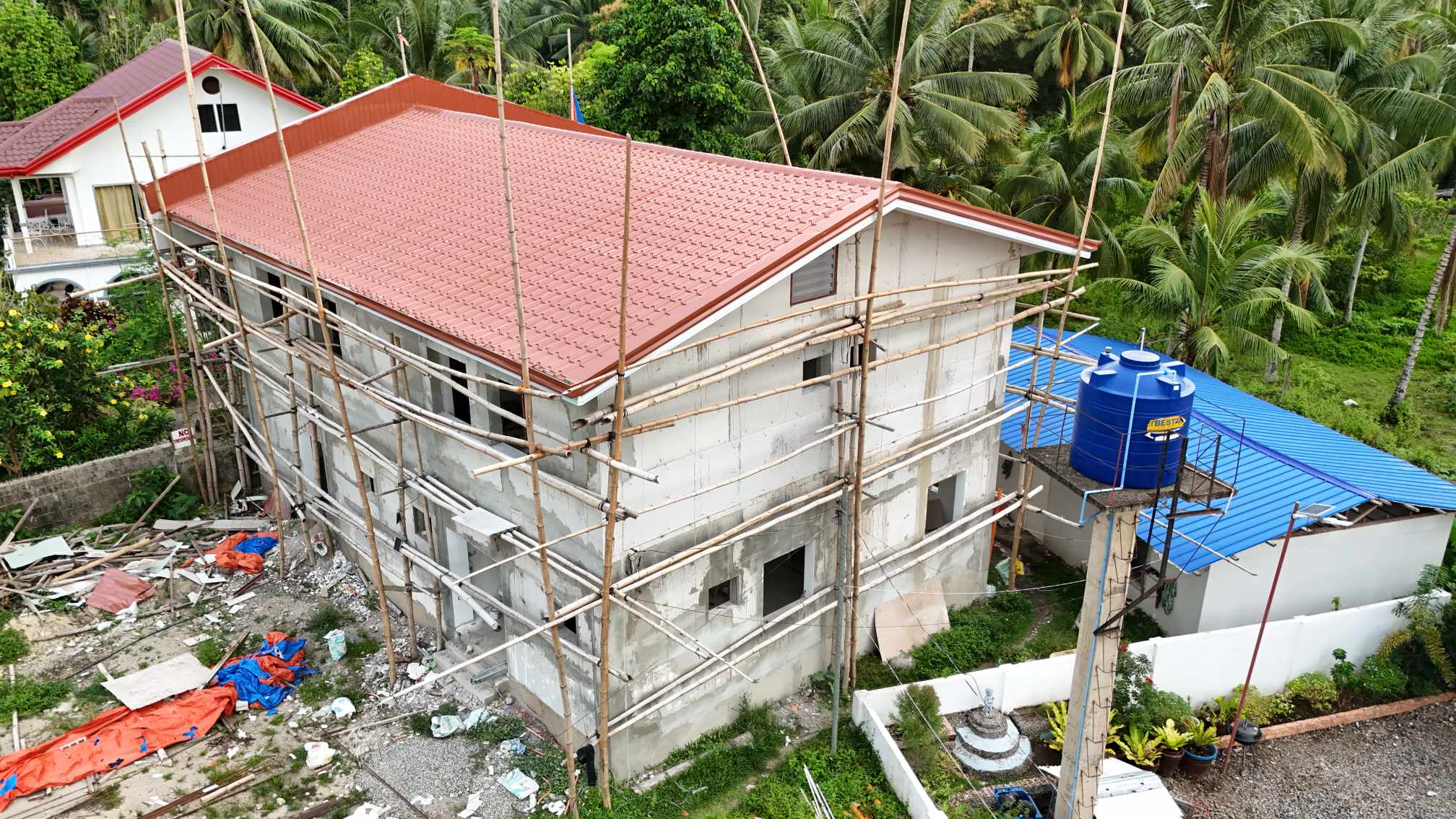
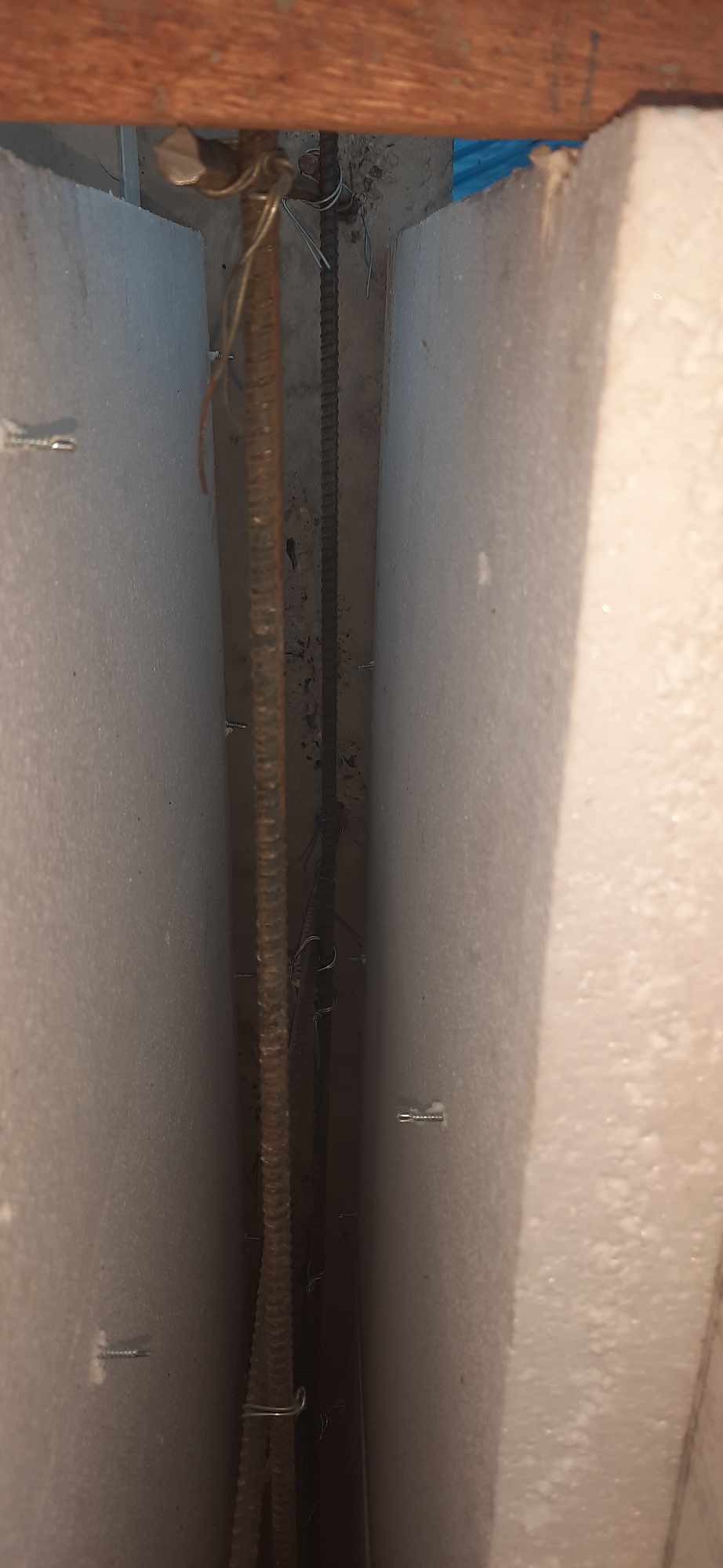
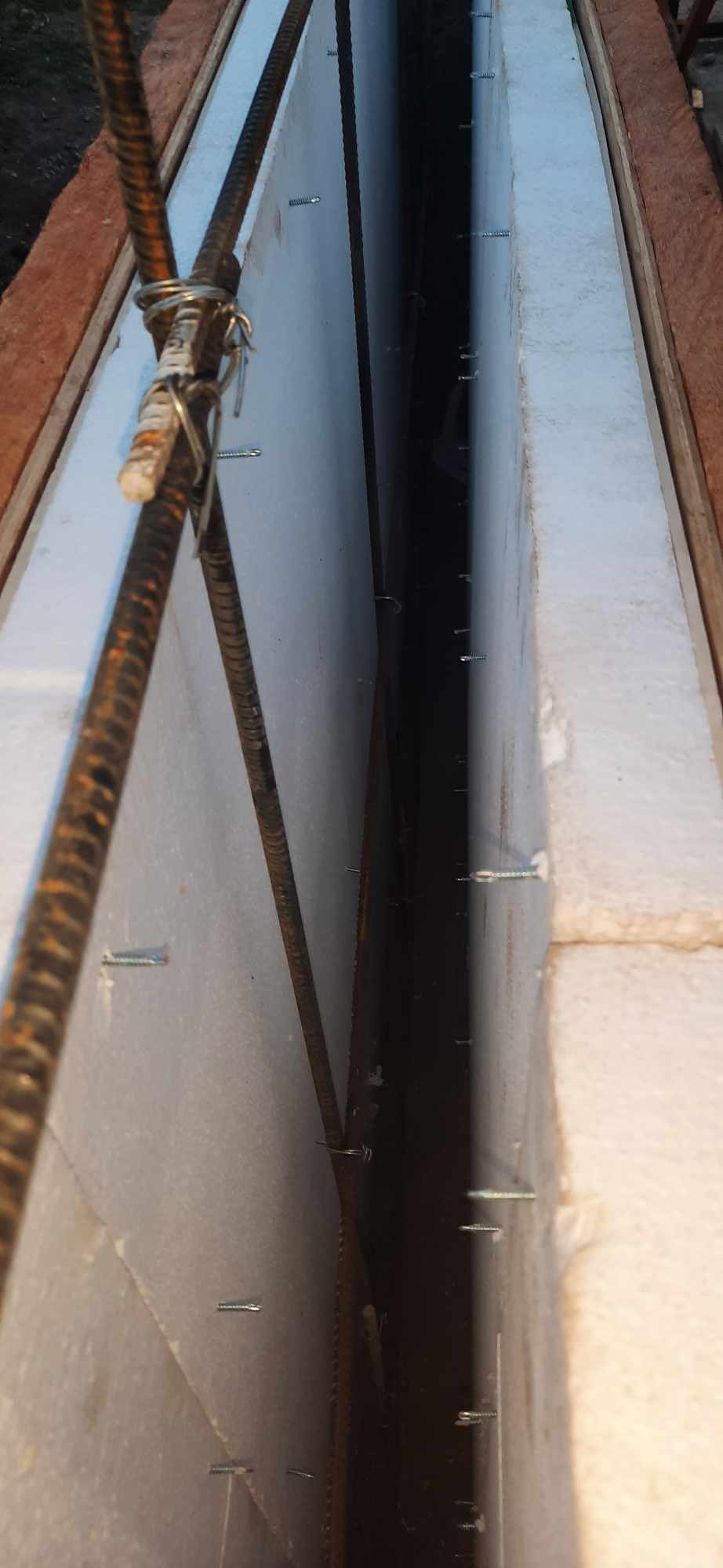
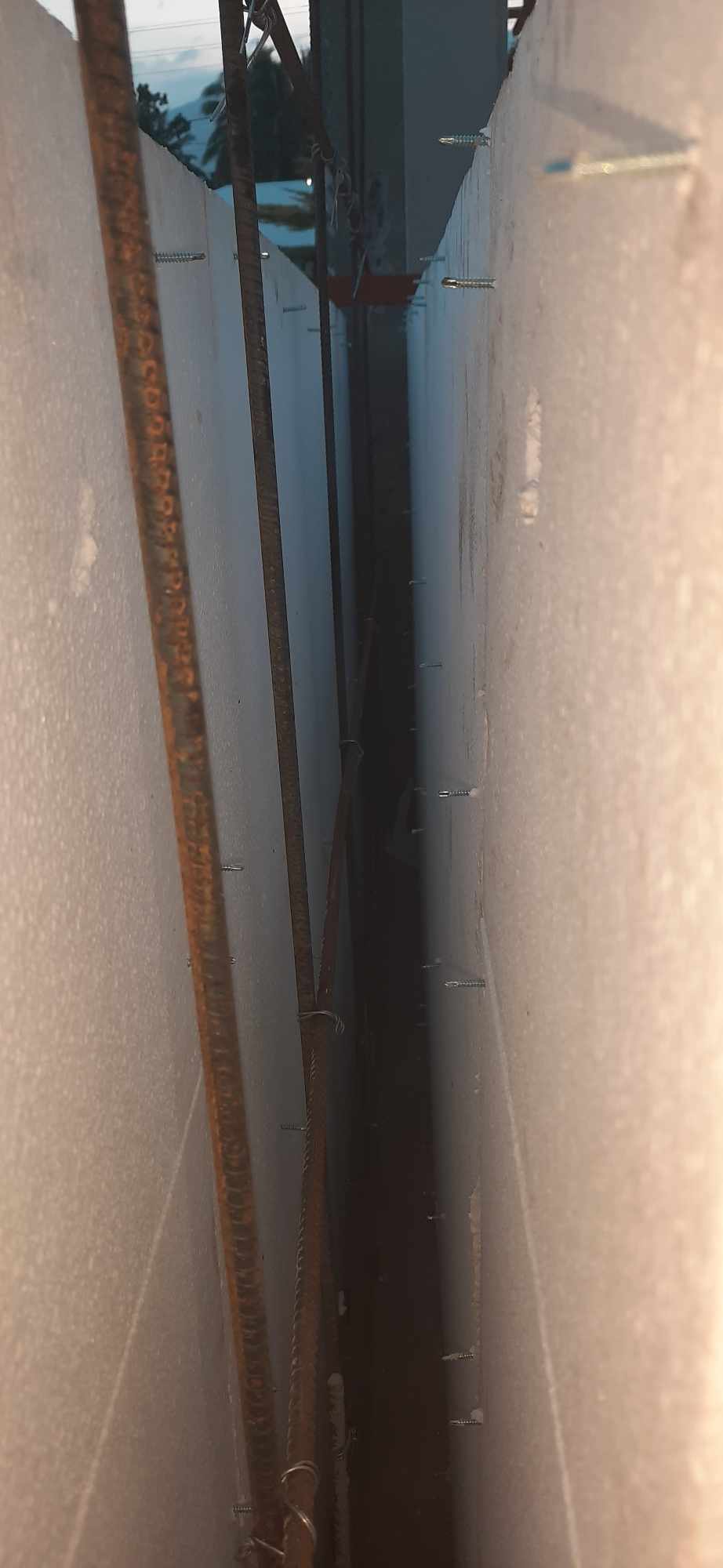
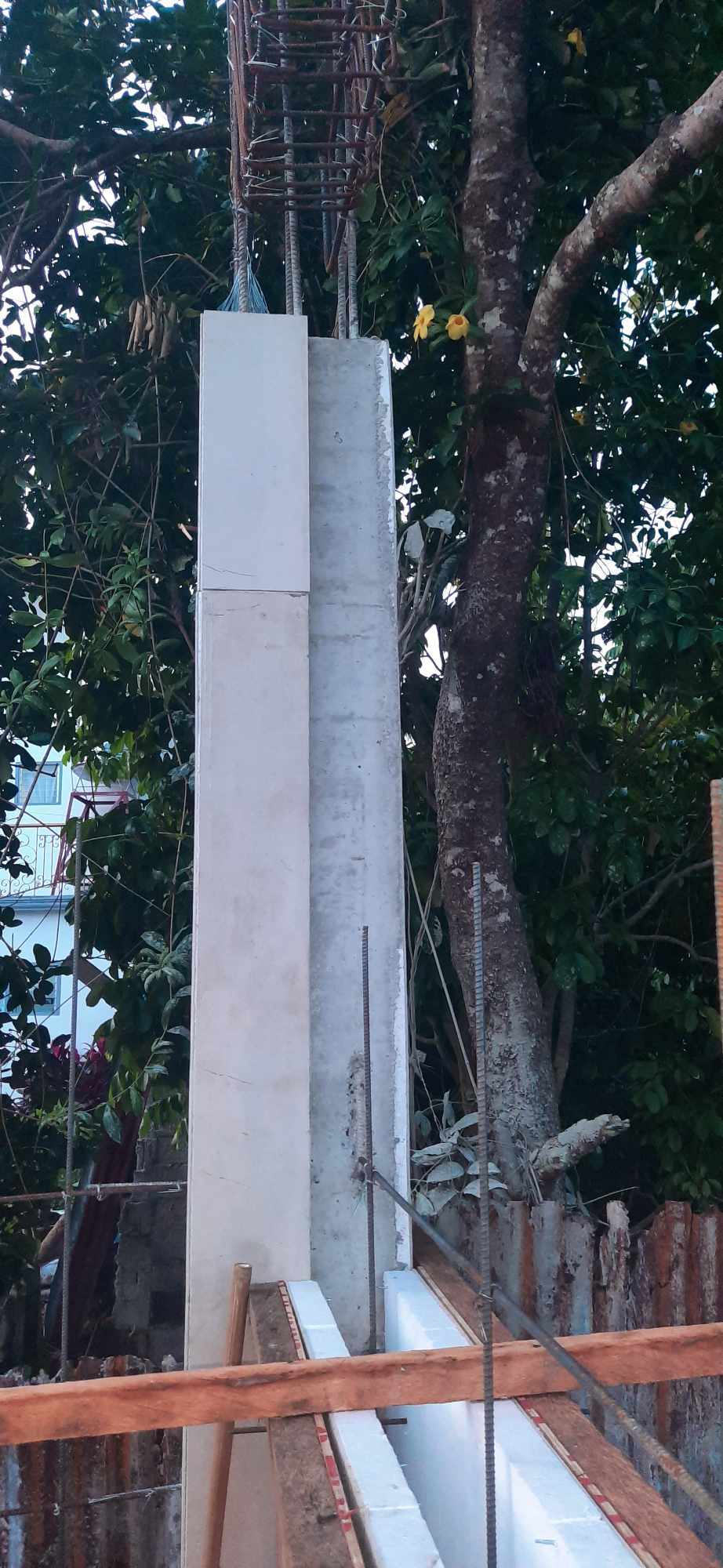
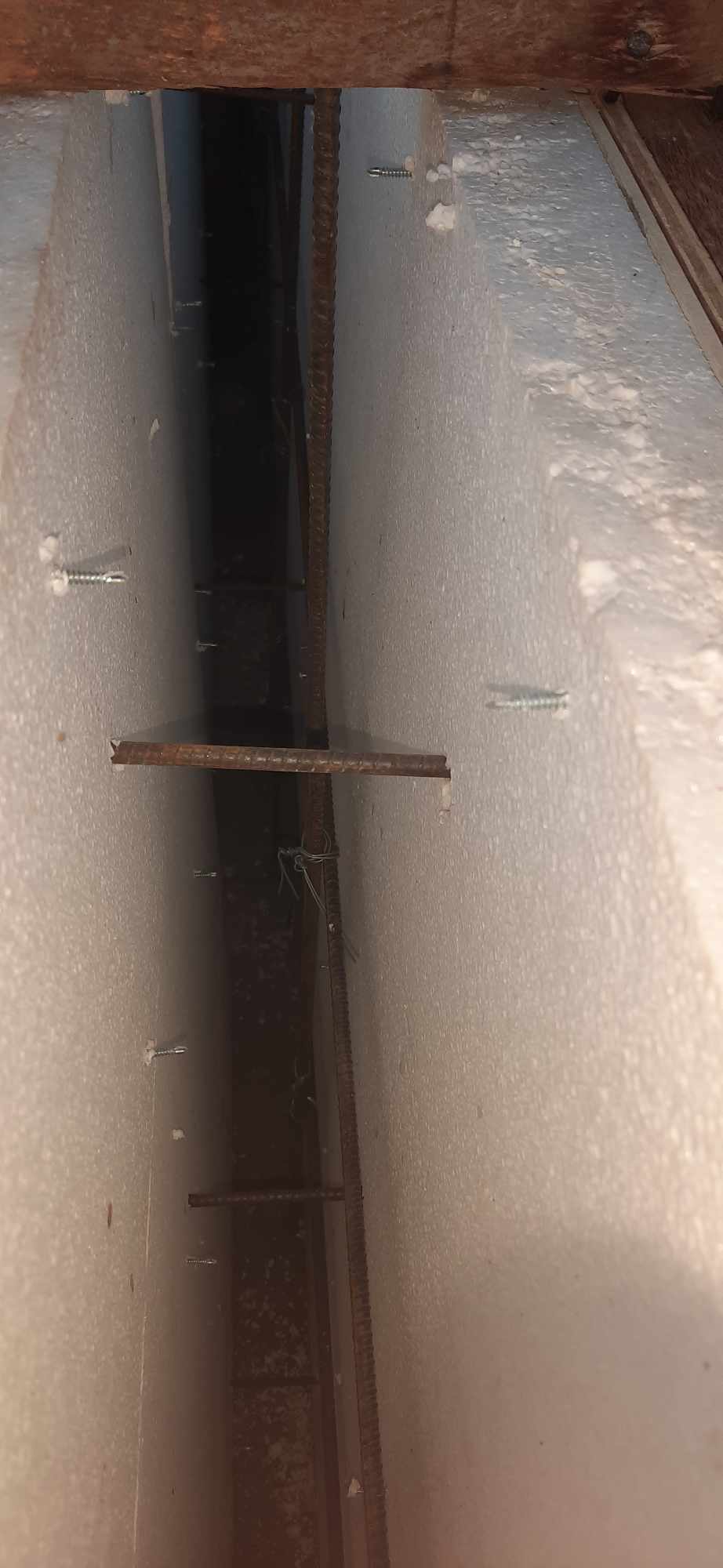
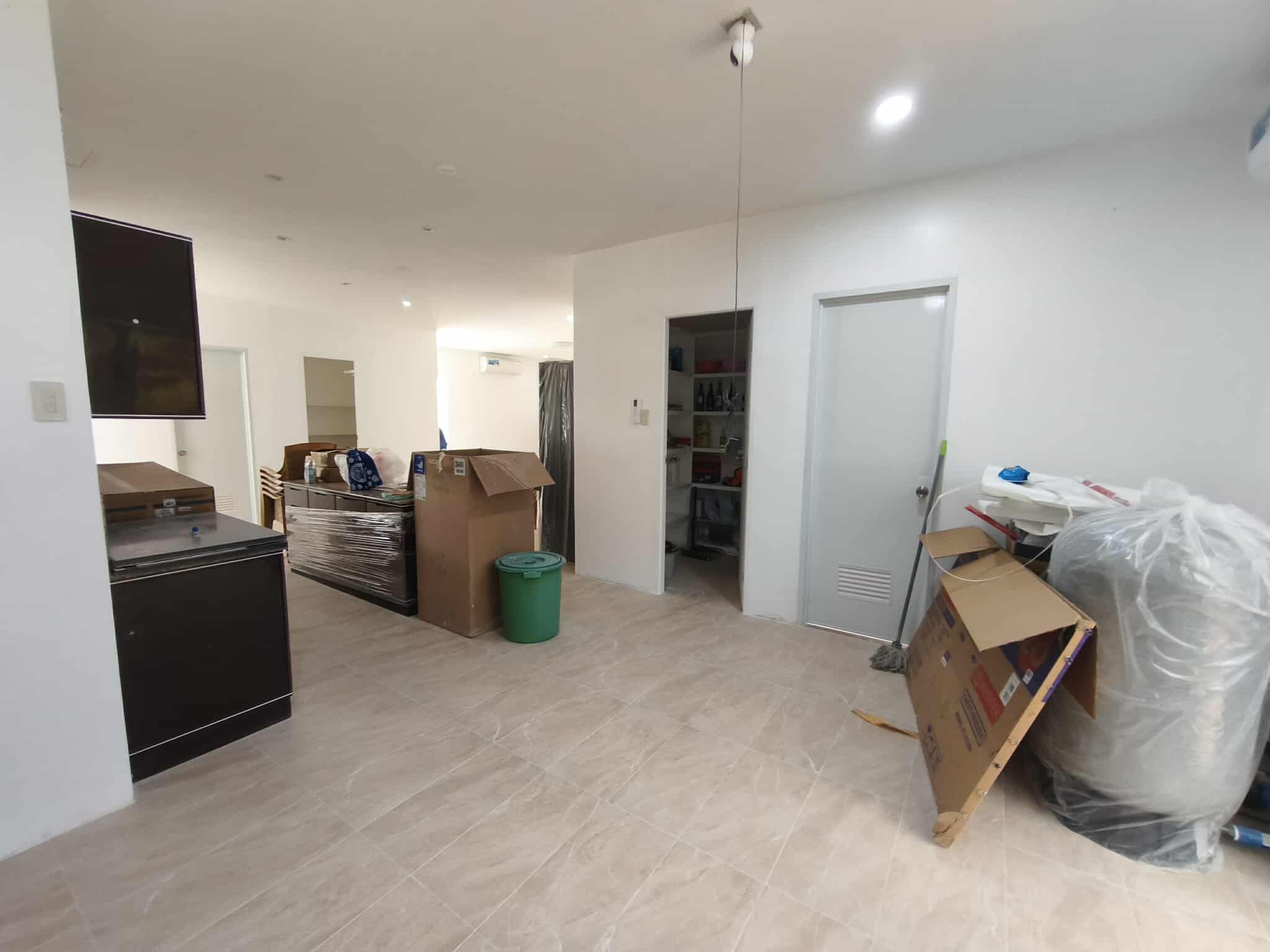
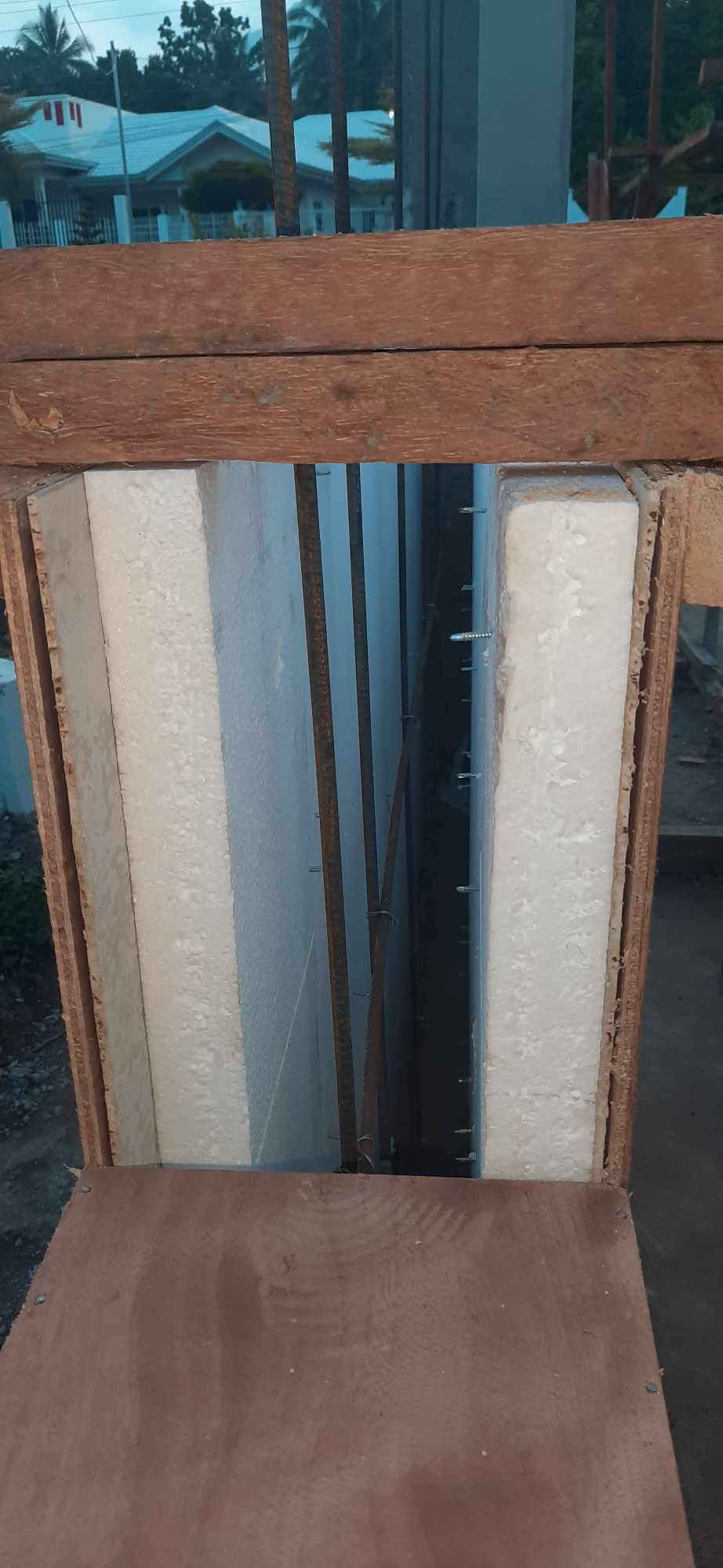
The ICF (Insulated Concrete Form) design is one of those home designs that utilizes a rock solid wall and is also heavily insulated on both sides making your new home not just rock solid but also thermally insulated from the high aircon bill due to the hot temperature outside.
You can also lower your budget by just having rock solid load bearing walls – not the thermally insulated walls. The ICF design or even the non insulated solid wall may cost more than the traditional column home design, but having absolute peaceful sleep at night is just priceless.
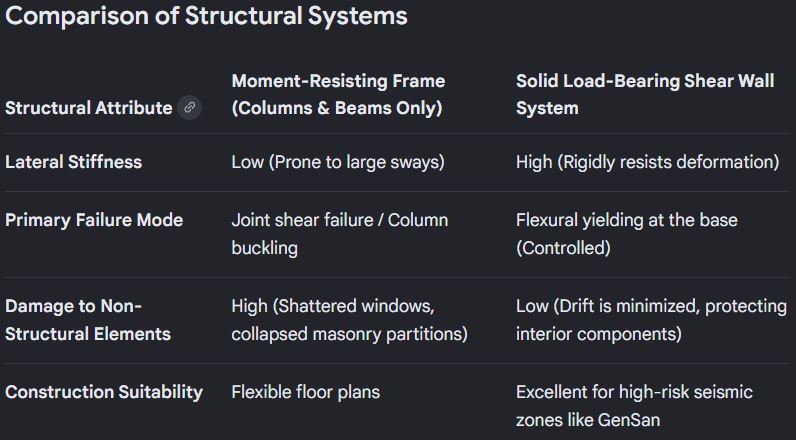
Solid reinforced concrete load-bearing walled home is your best protection from earthquakes since lateral displacement / lateral movement or swaying during earthquake will be minimized. The solid wall will be able to help absorb the destructive shear forces, and shield vulnerable beam-column joints from snapping during earthquakes.
You have seen it in television where the buildings easily collapse during earthquake when the column-beam joints break due to the repeated swaying of the structure.
When beams and columns flex in opposing directions, the beam-column joints experience extreme diagonal stress and compression – this is called shear stress. If the joints lack dense transverse reinforcement or closely spaced steel stirrups, the concrete cracks diagonally, causing the columns to break and fail entirely.
Solid load-bearing walls are reinforced concrete shear walls that effectively resist the lateral movements during earthquake. Solid walls are a lot stiffer than open beam-column design. They resist lateral swaying, keeping your structure within limits and protecting your building joints from breaking. Solid walls efficiently resist horizontal seismic shear forces and transfer them directly down into the foundation, bypassing the traditional framing of the columns and beams. A properly designed shear wall cracks and yields in predetermined zones called plastic hinges to safely dissipate earthquake energy and thus prevent your structure from collapsing.