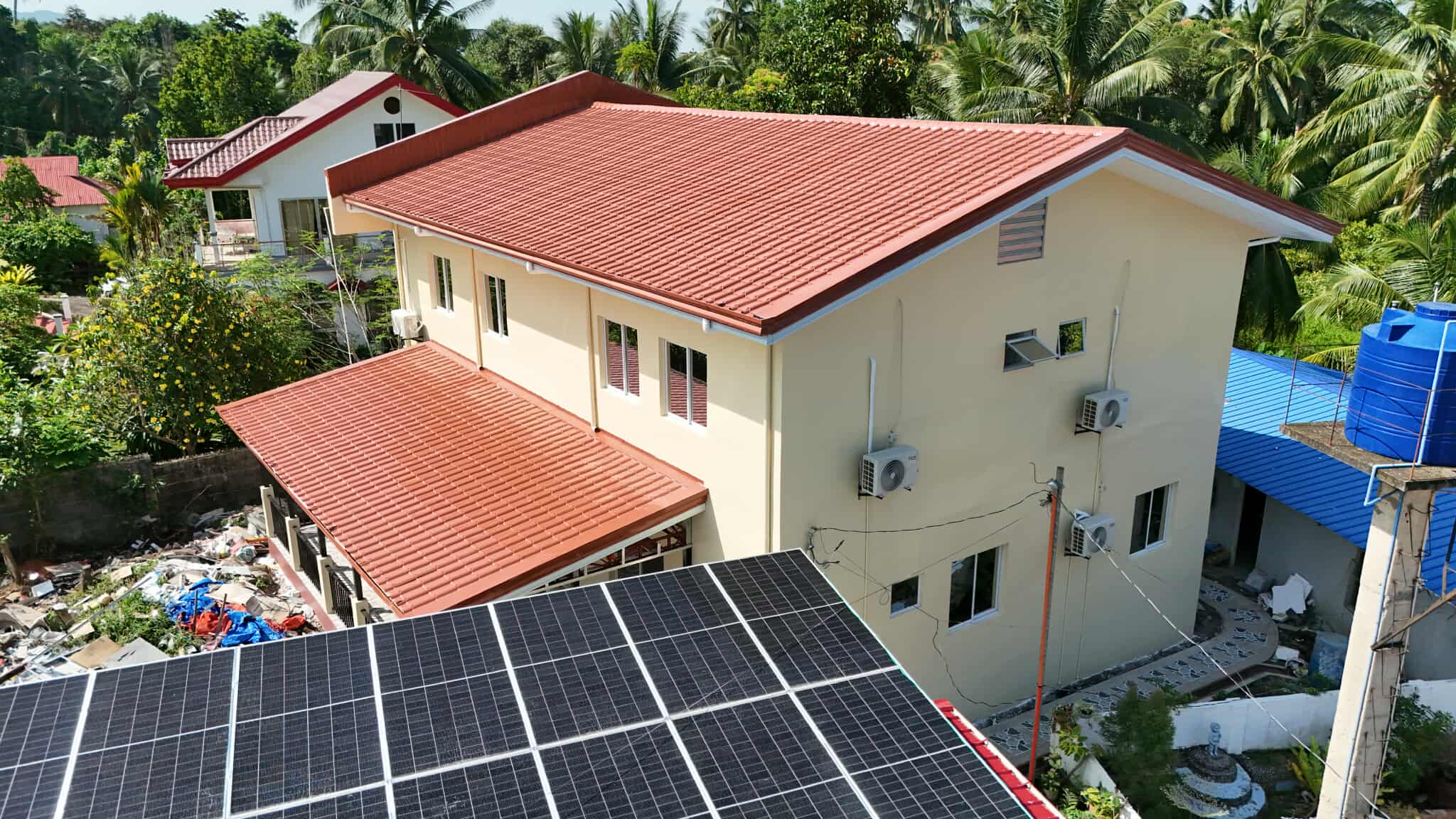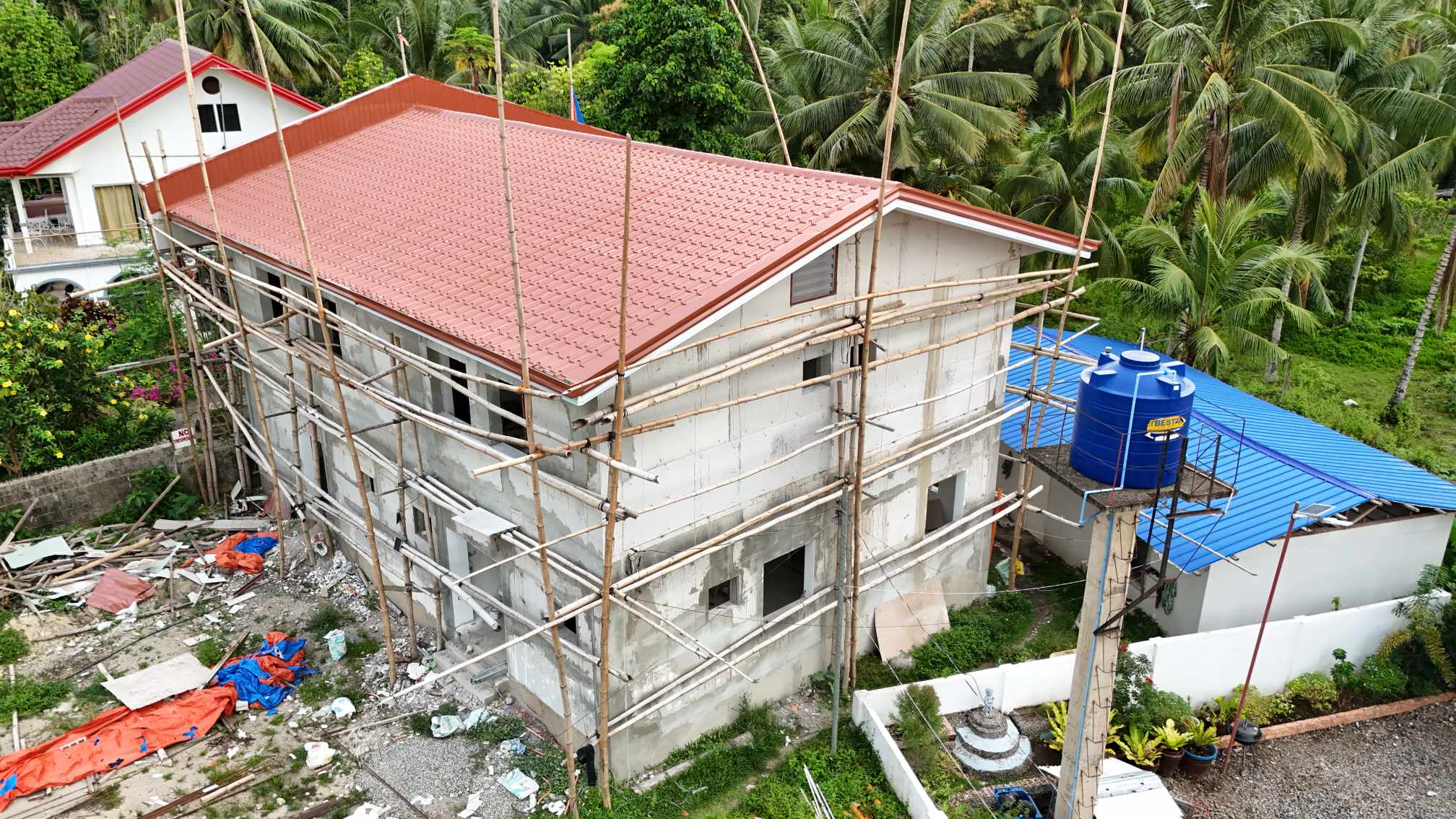
Why More Filipino Families Are Choosing ICF Homes?
The Philippines is one of the world’s most earthquake-prone countries and experiences year-round tropical heat. As homeowners invest millions of pesos into building their dream homes, it makes sense to choose a construction system designed to provide greater strength, comfort, and long-term value. One of the most advanced building methods available today is the Insulated Concrete Form (ICF) system.
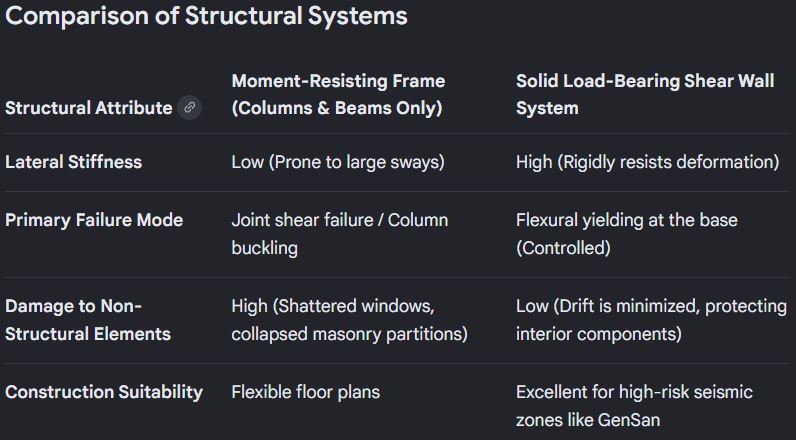
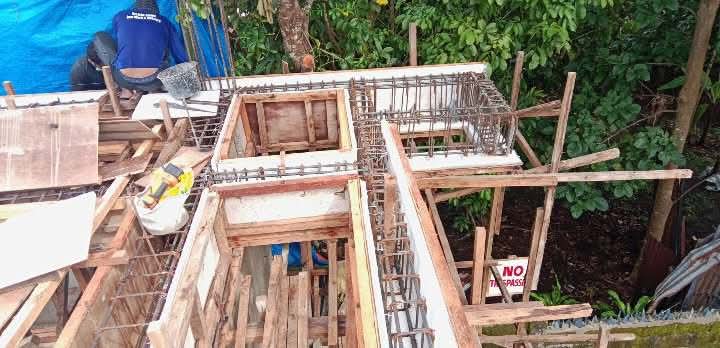
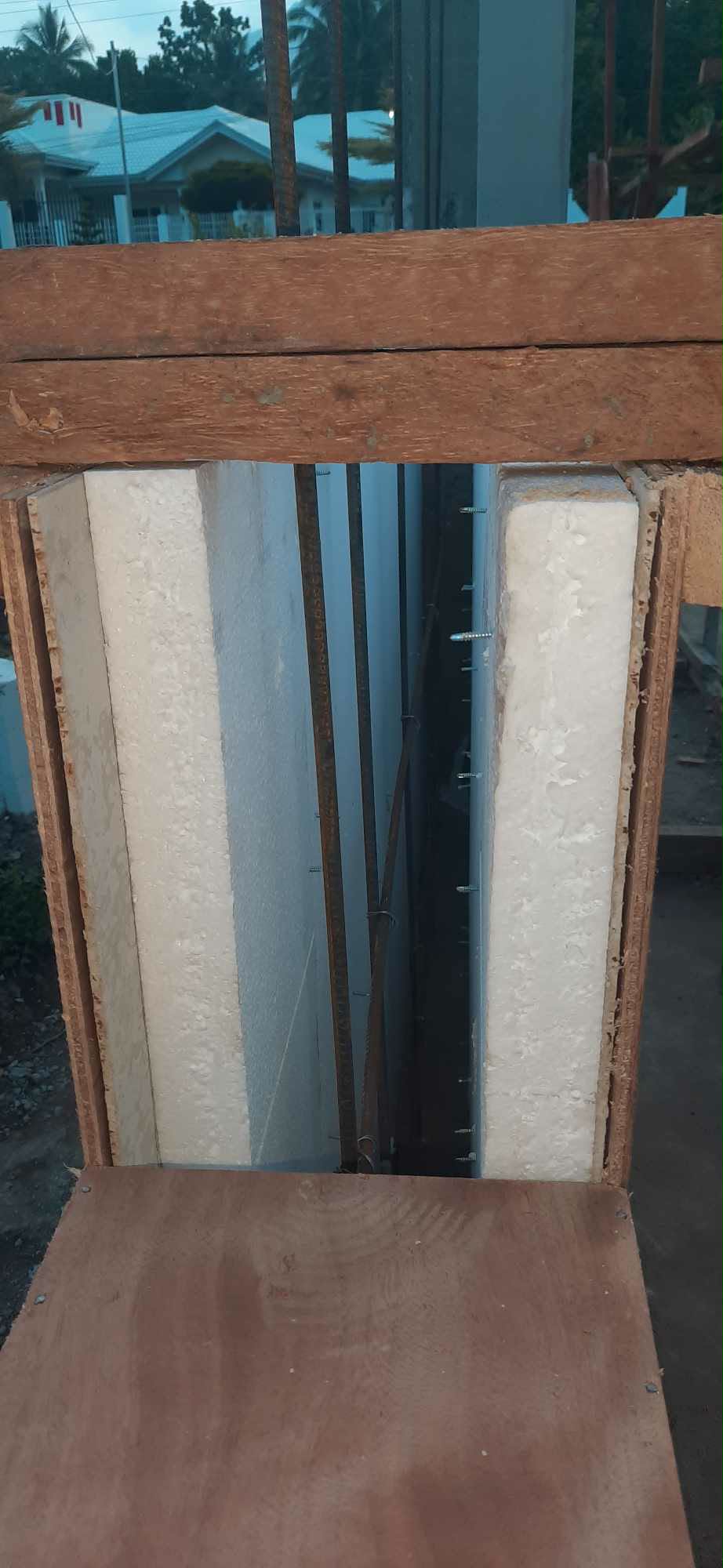
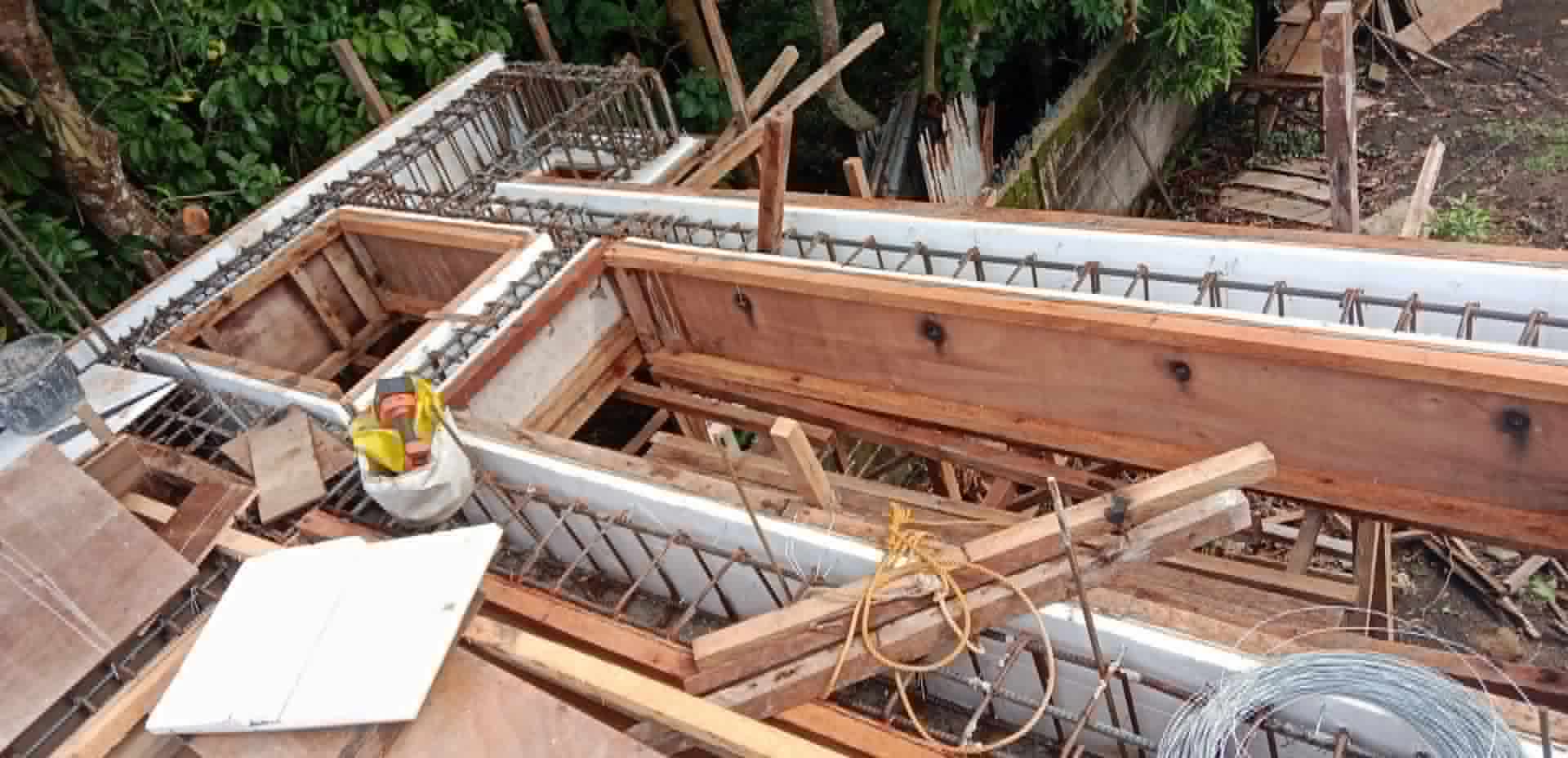
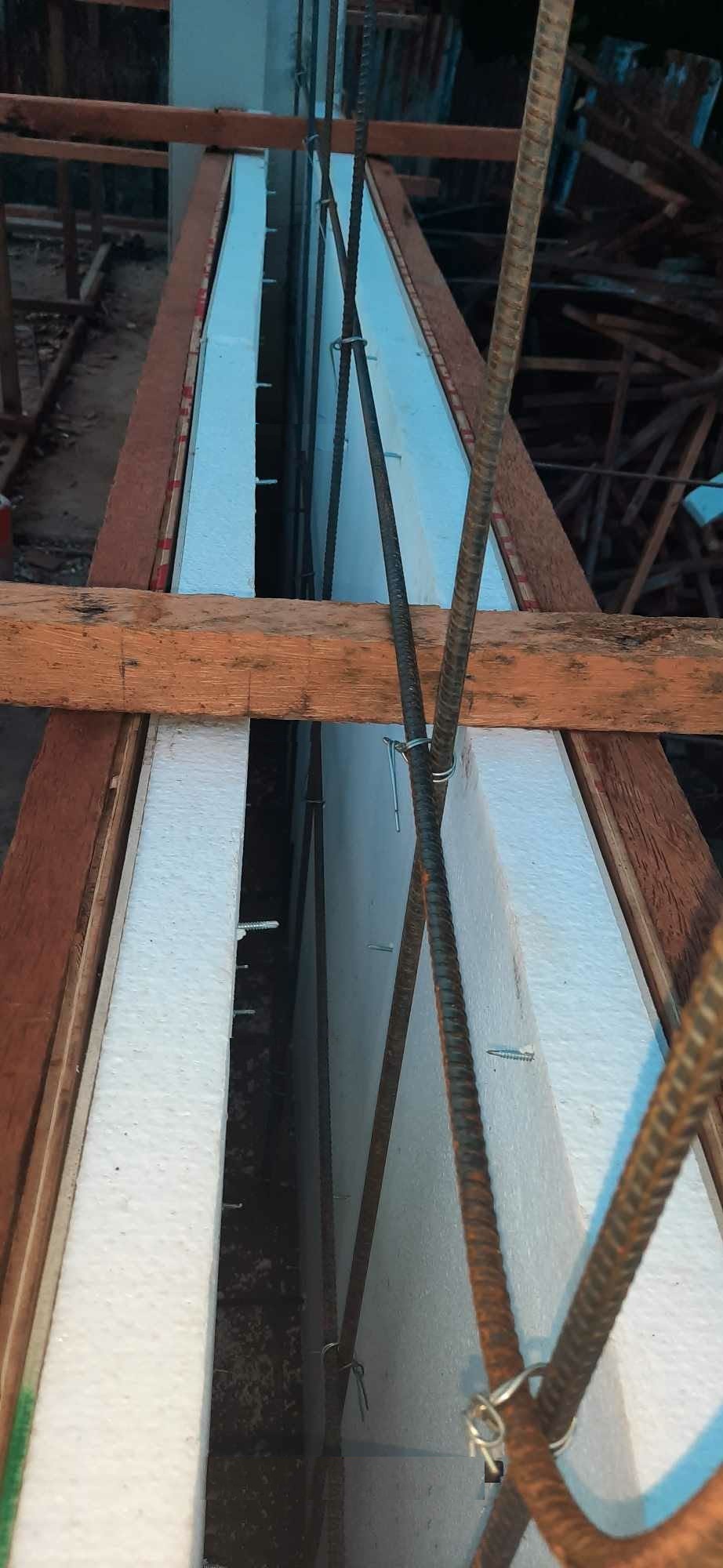
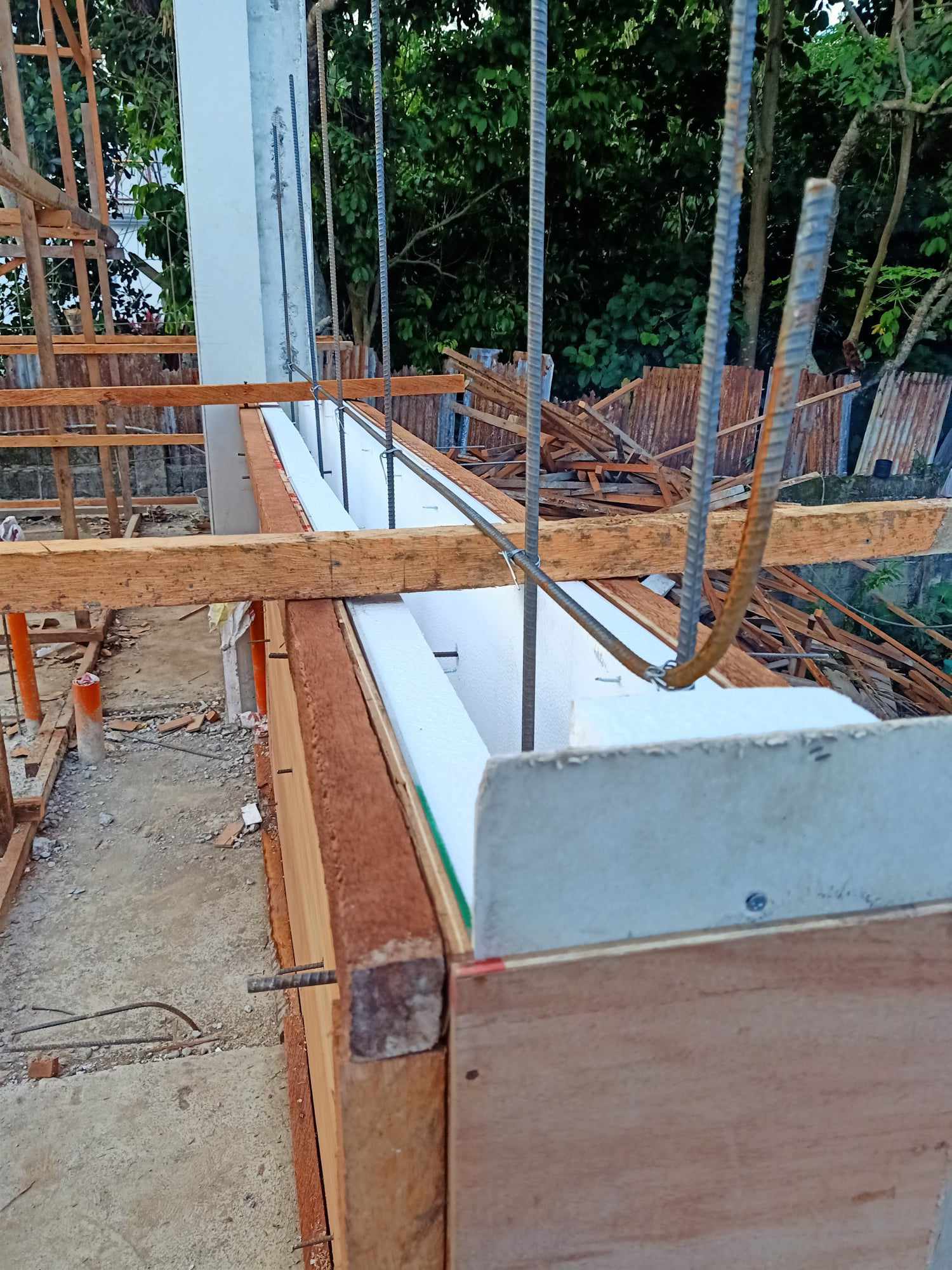
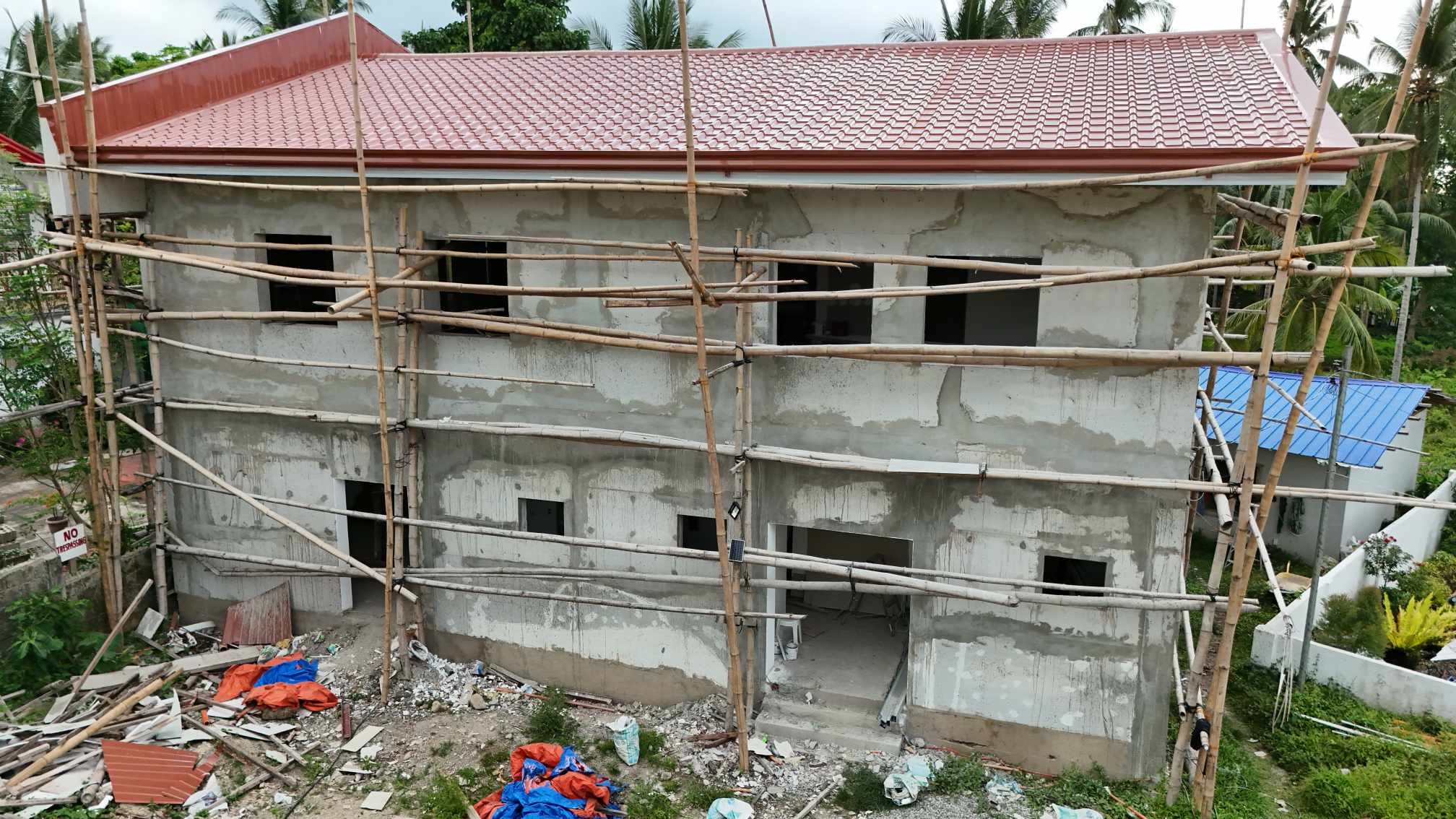
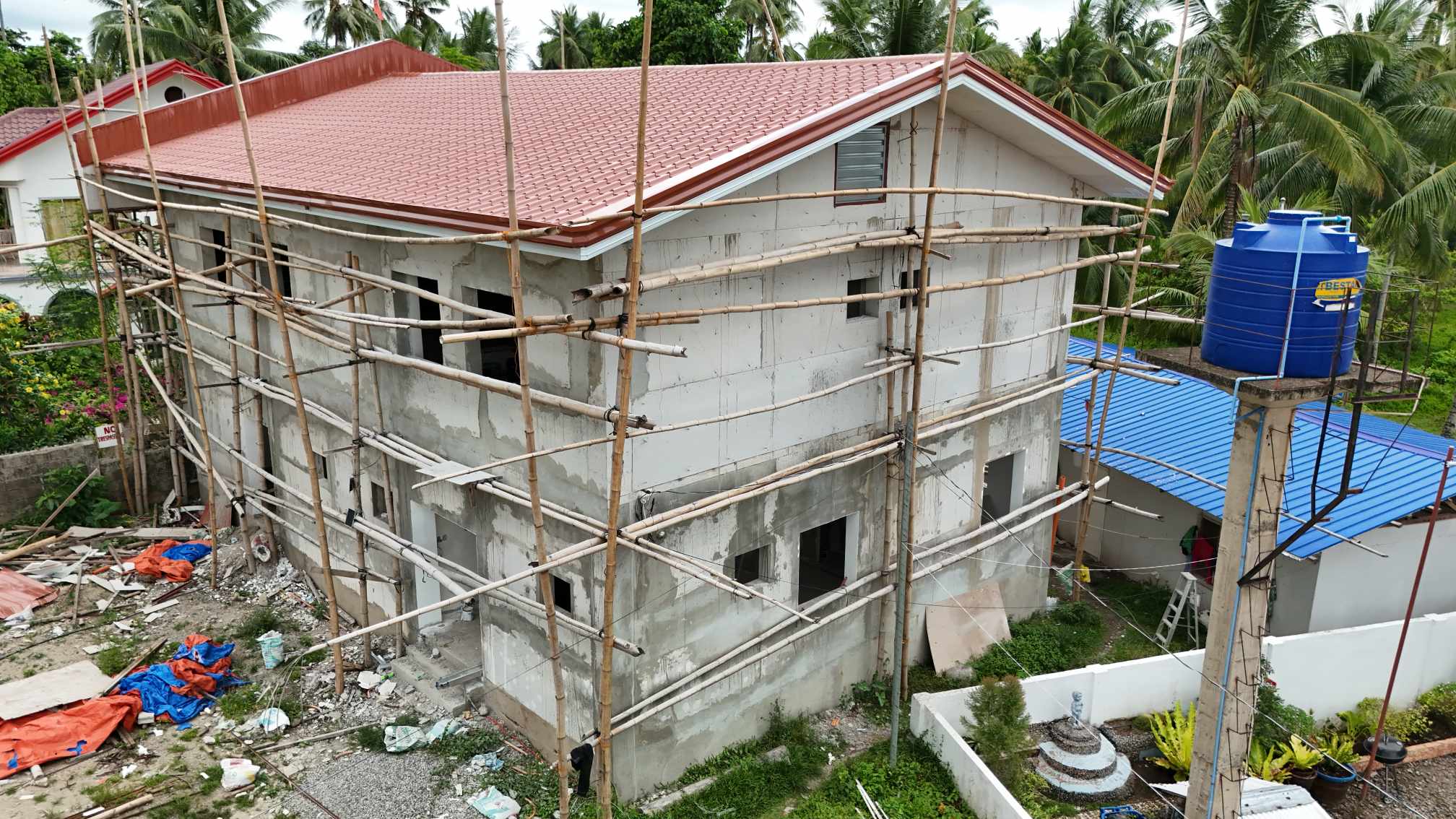
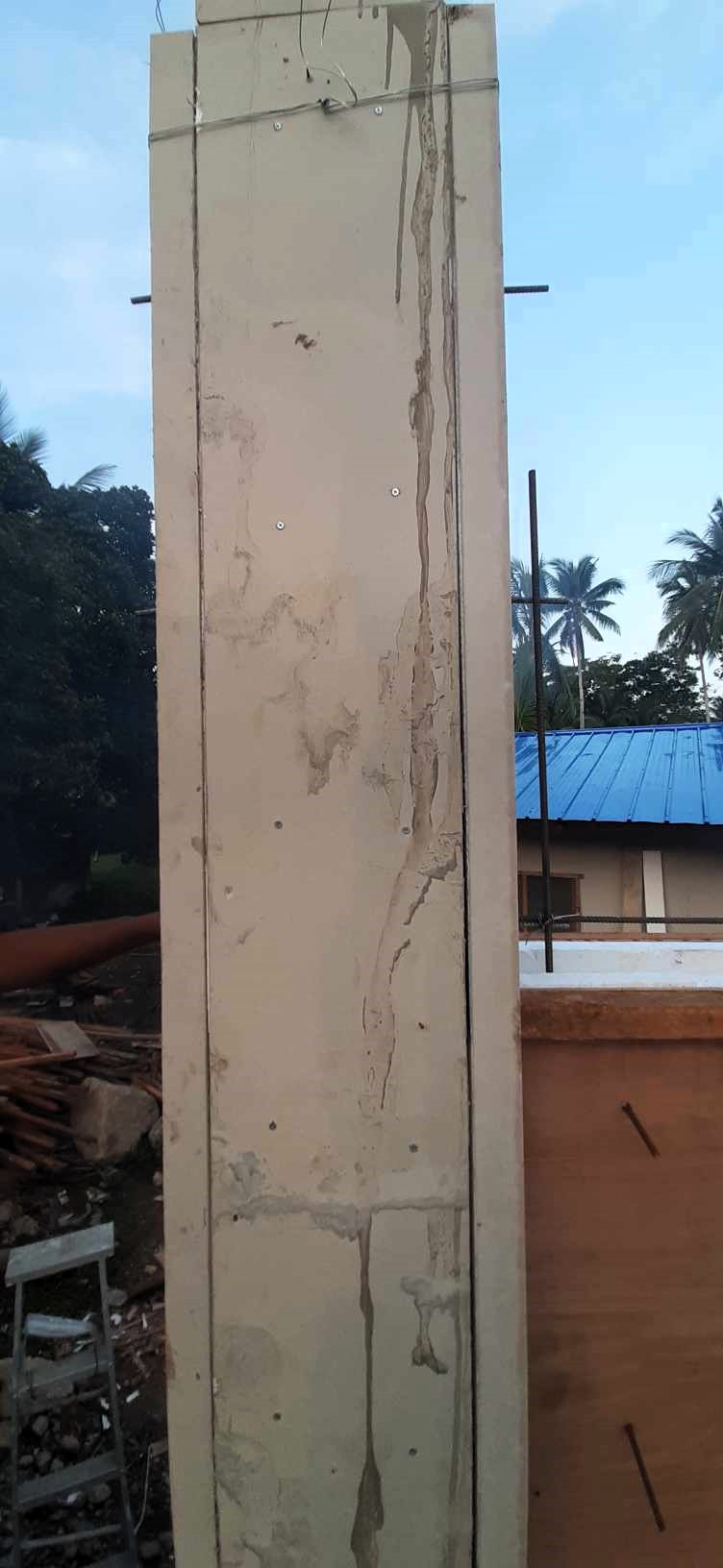
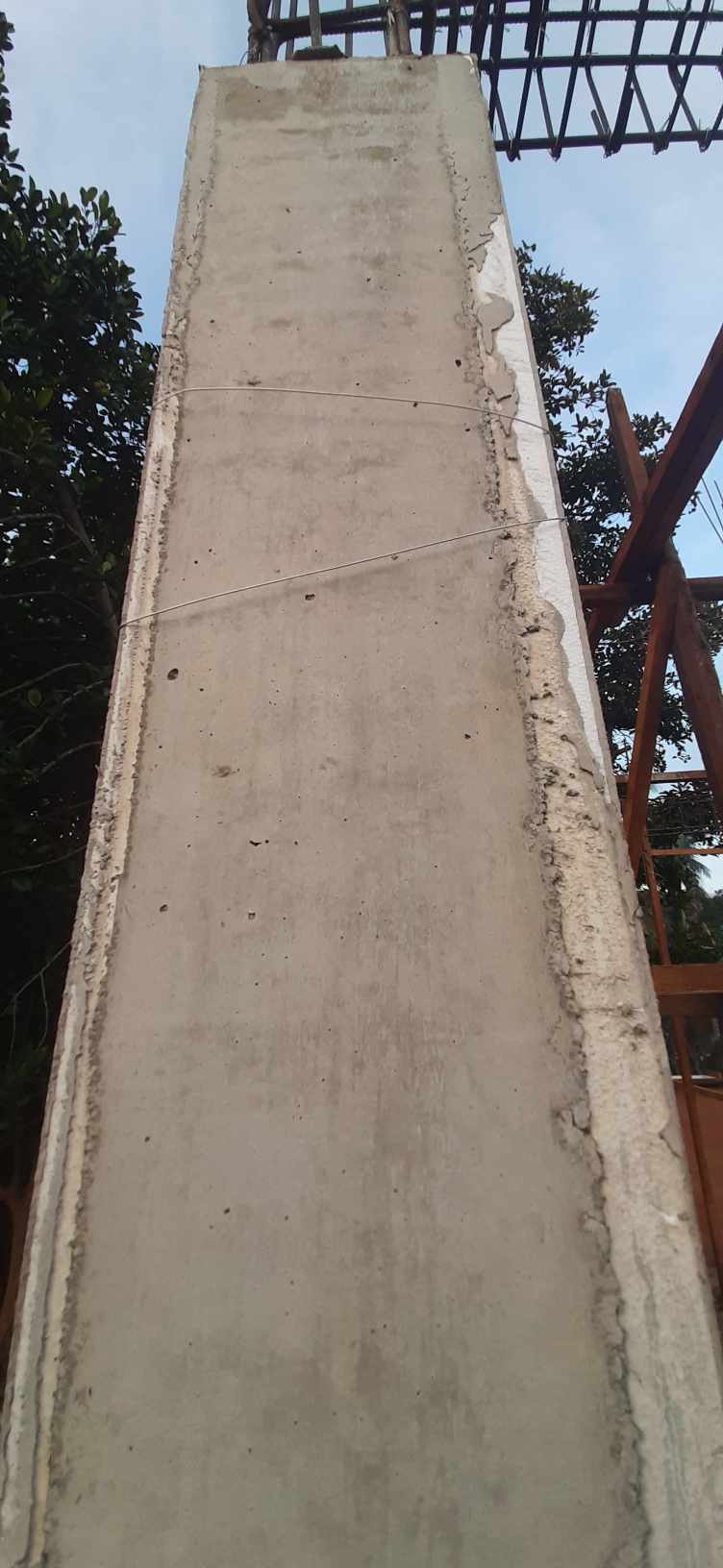
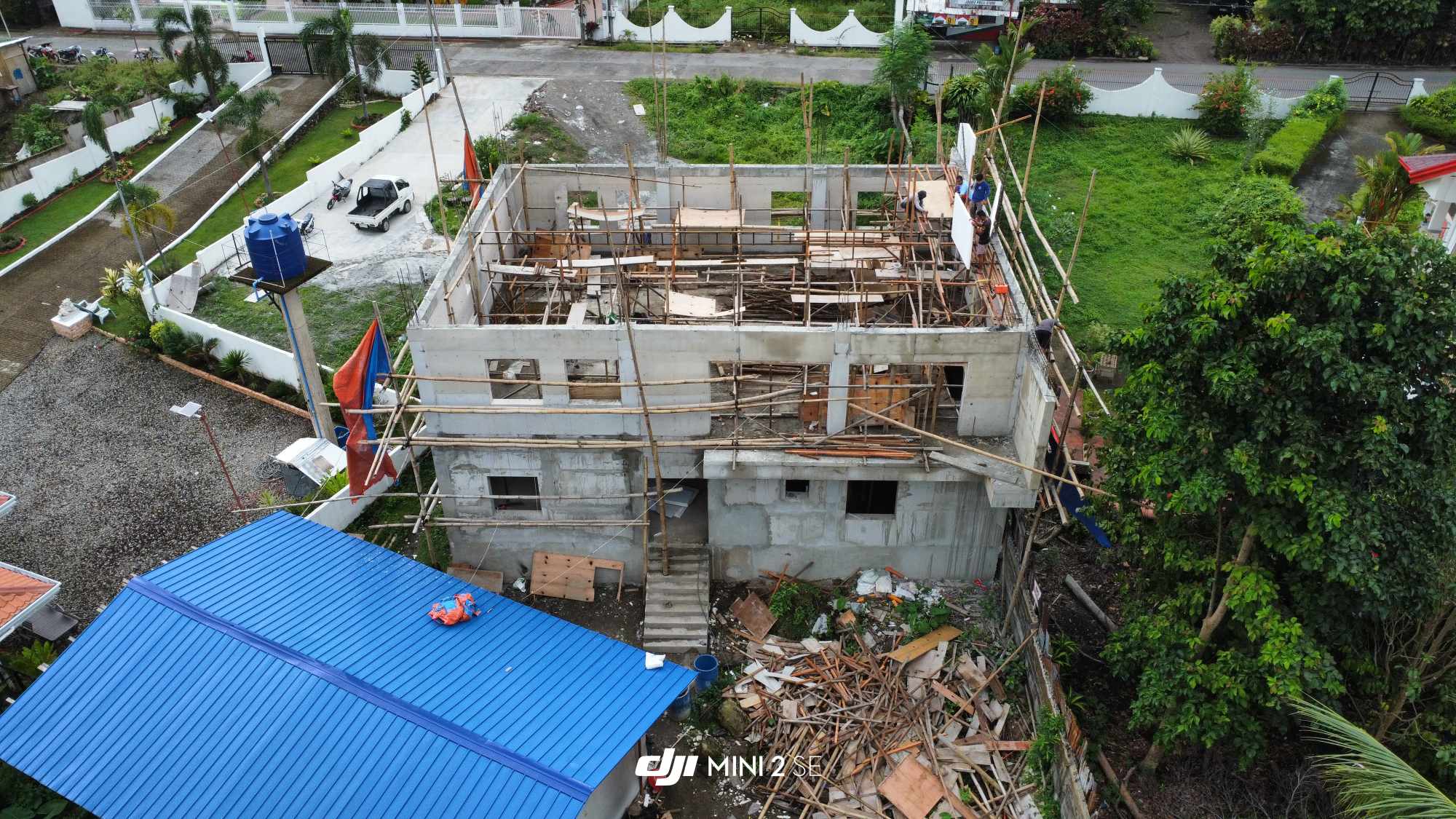
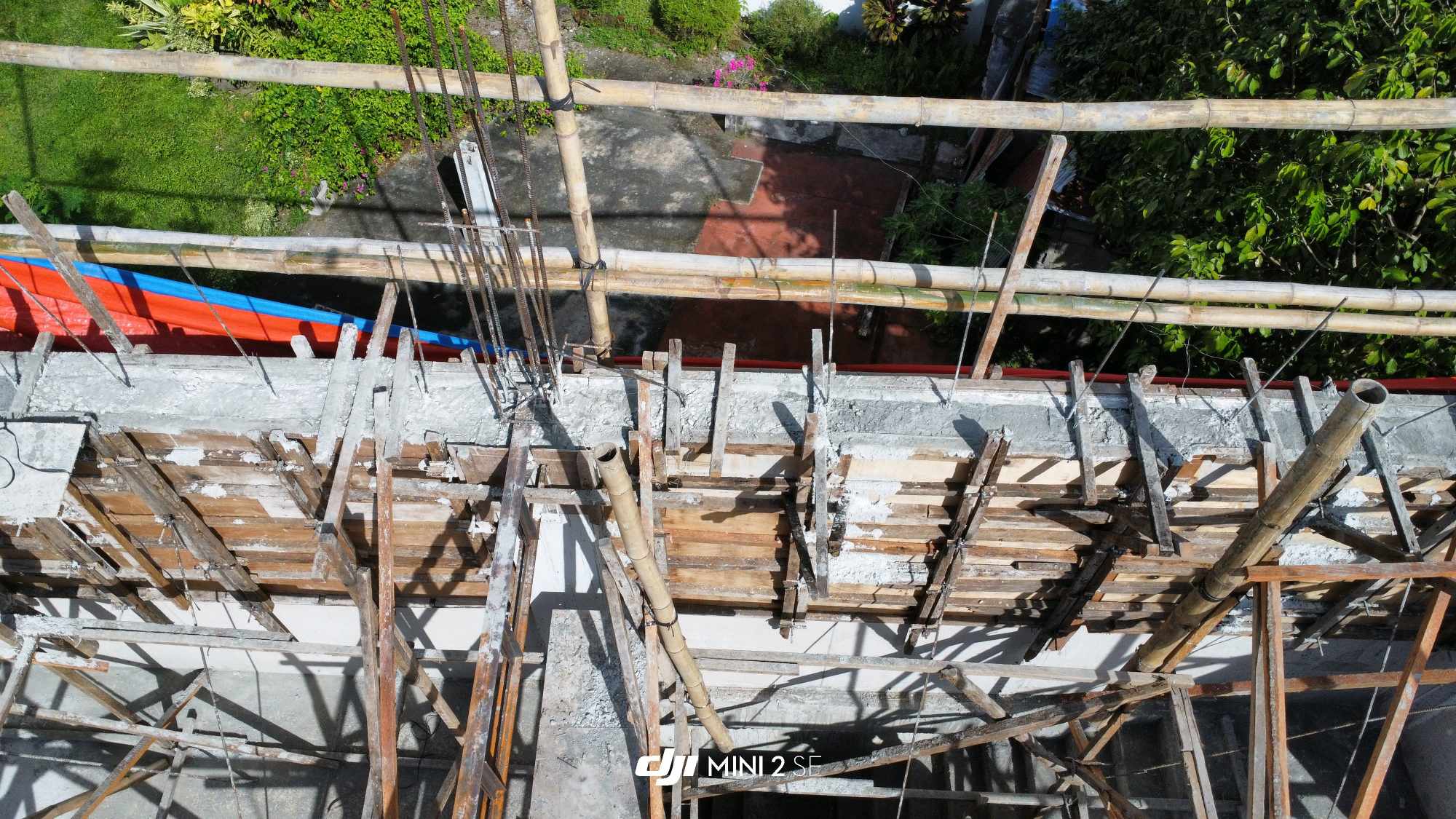
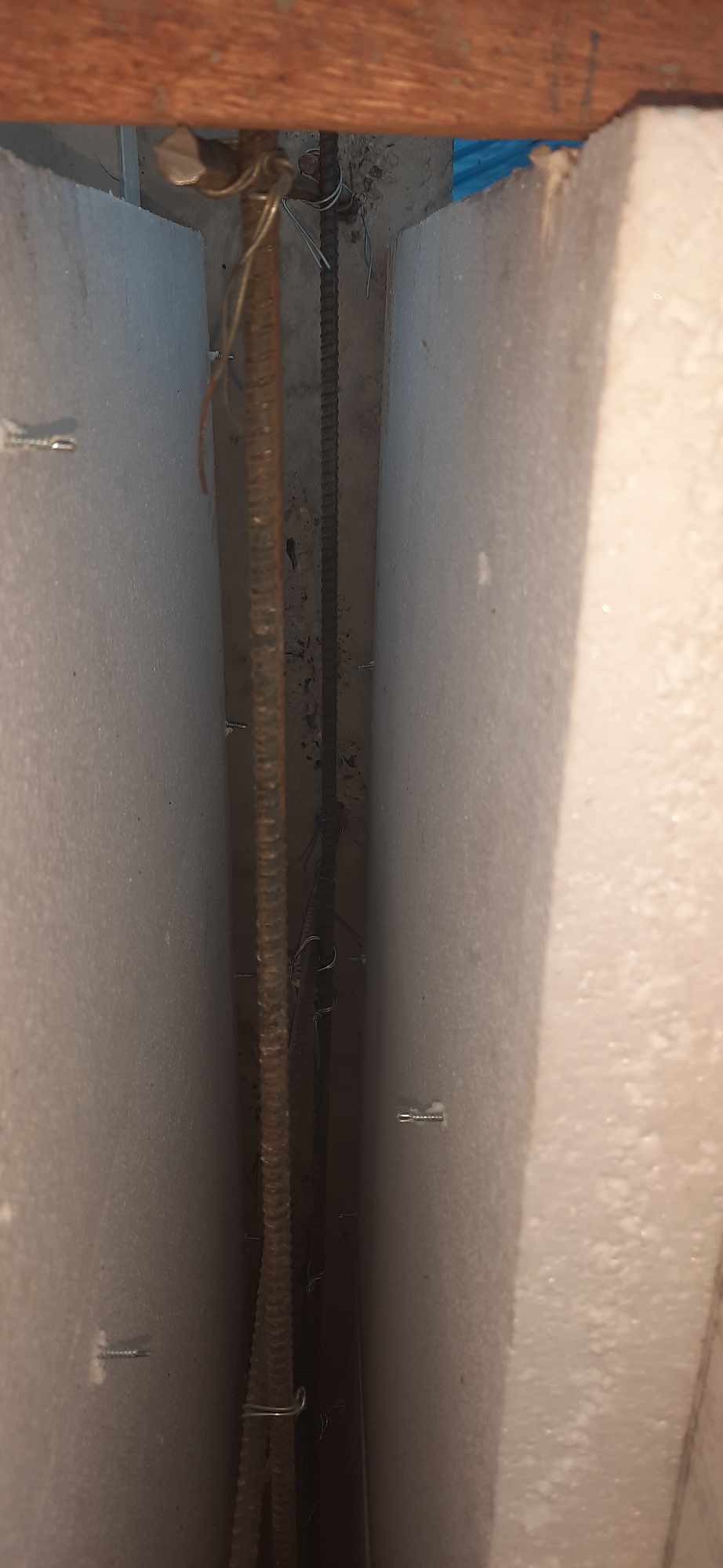
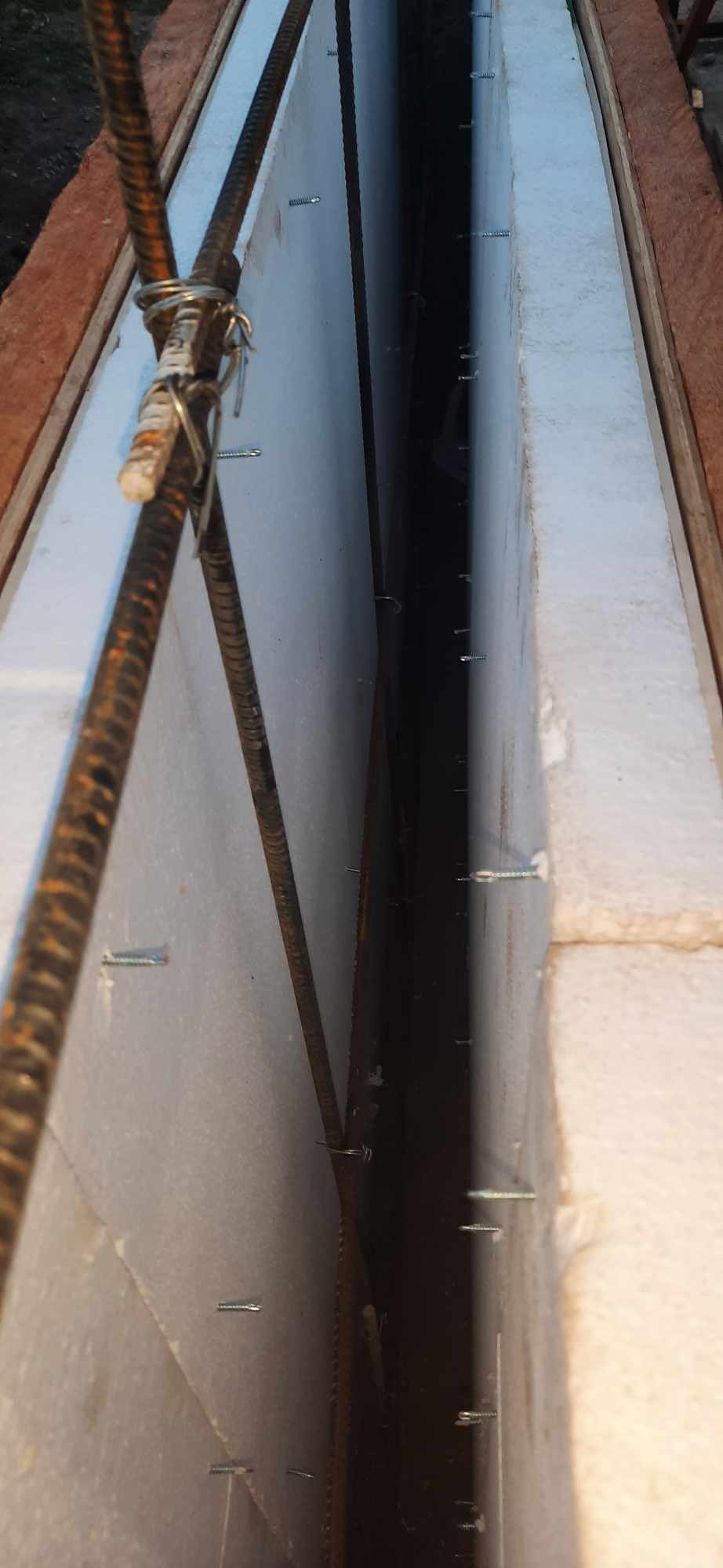
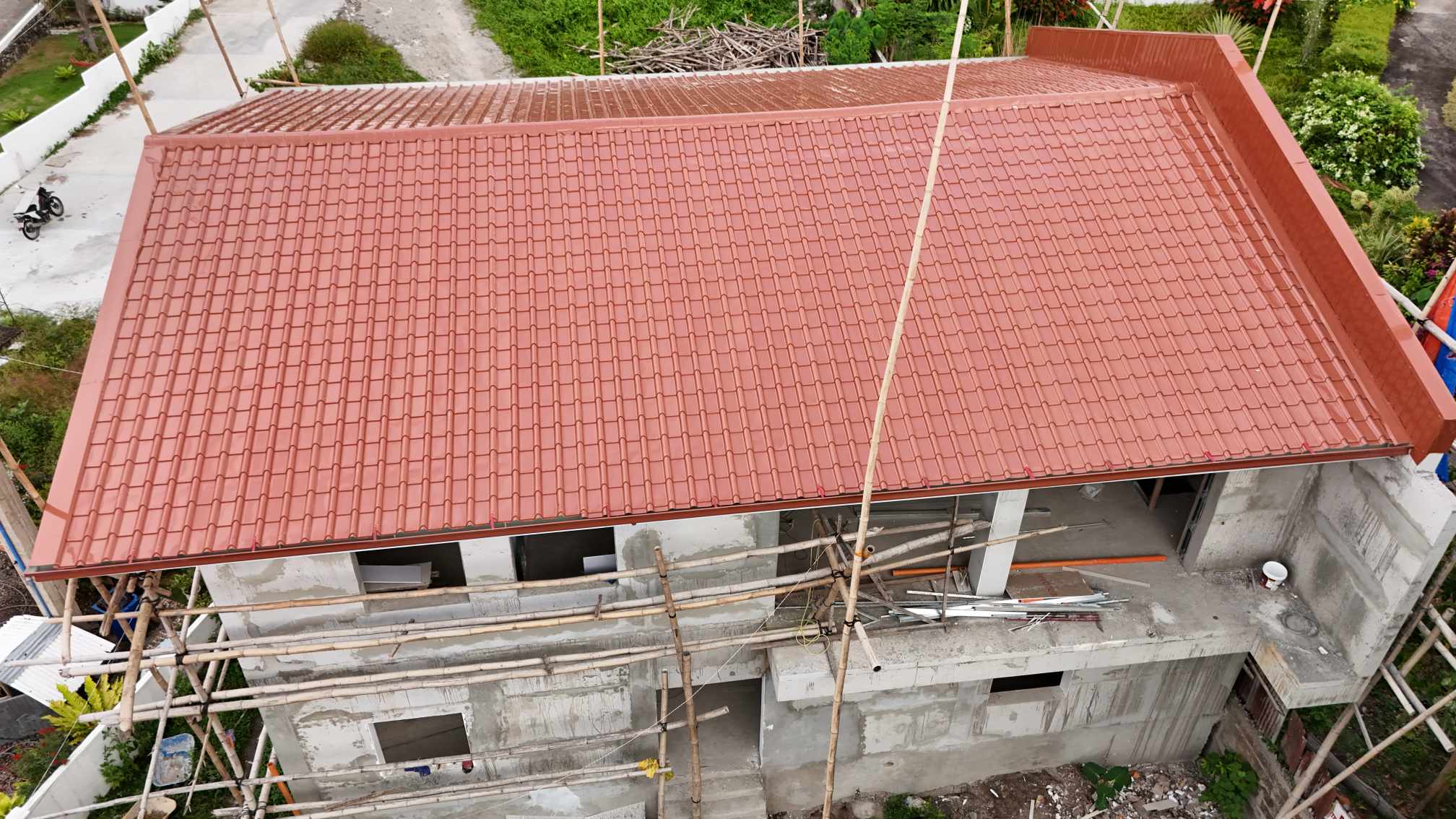
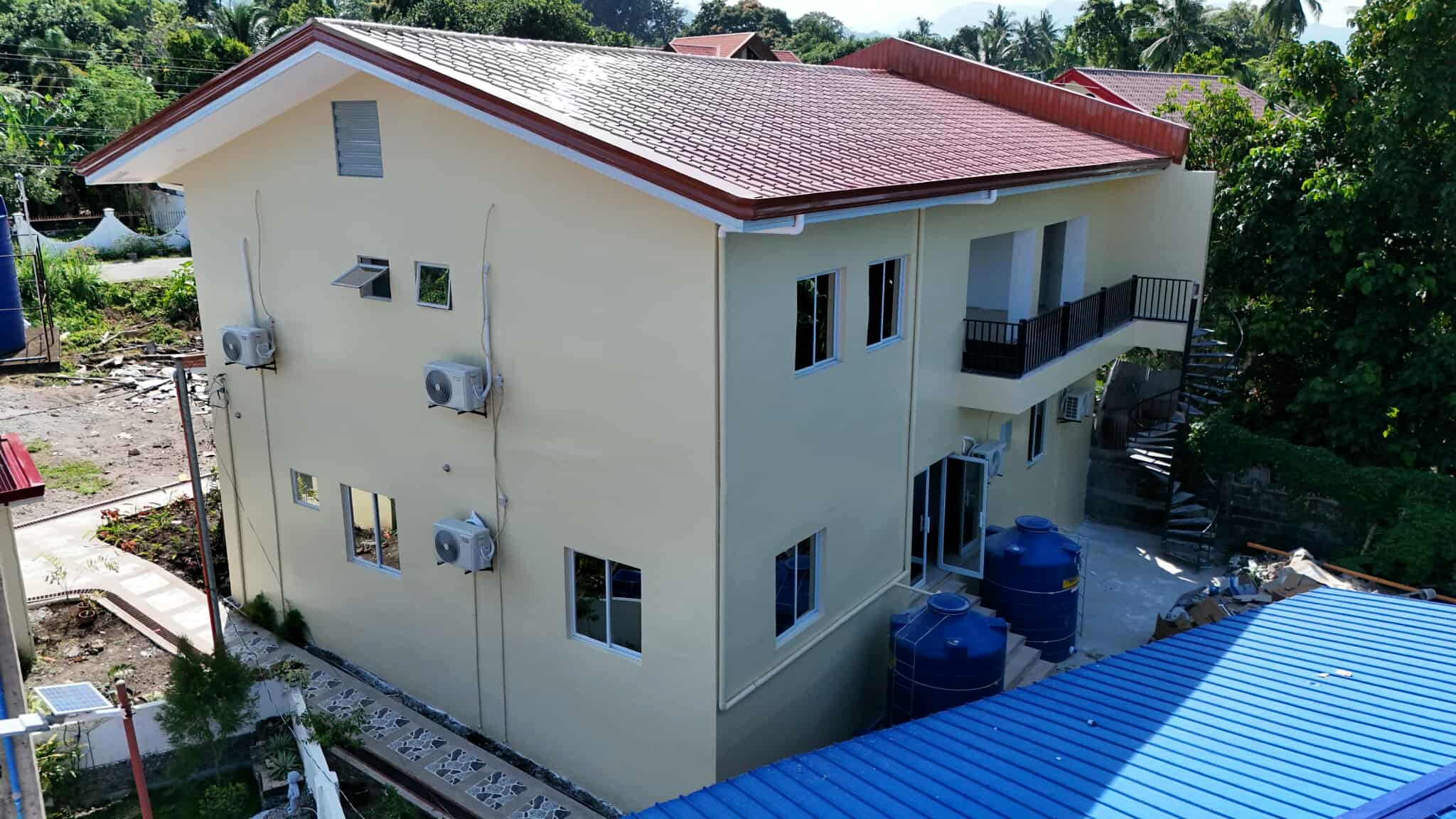
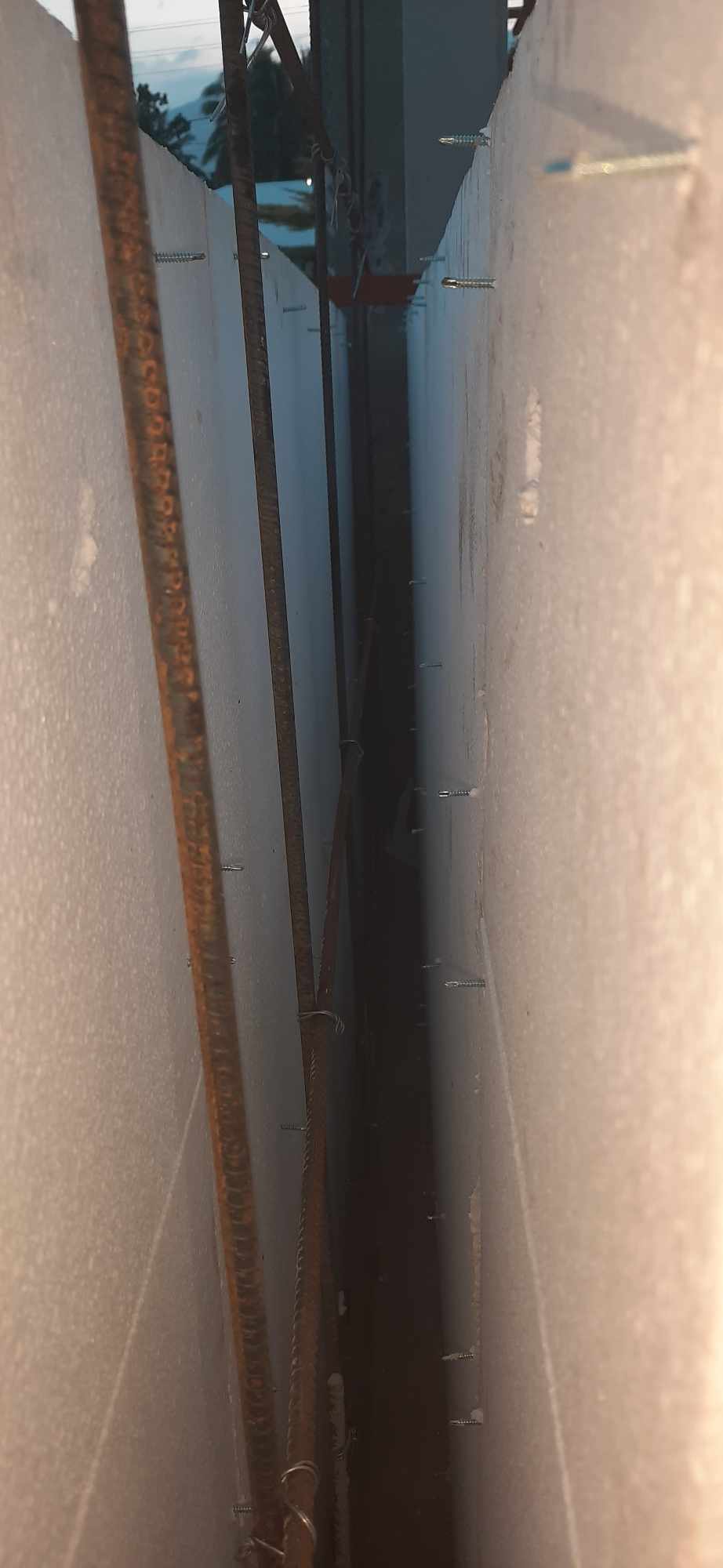
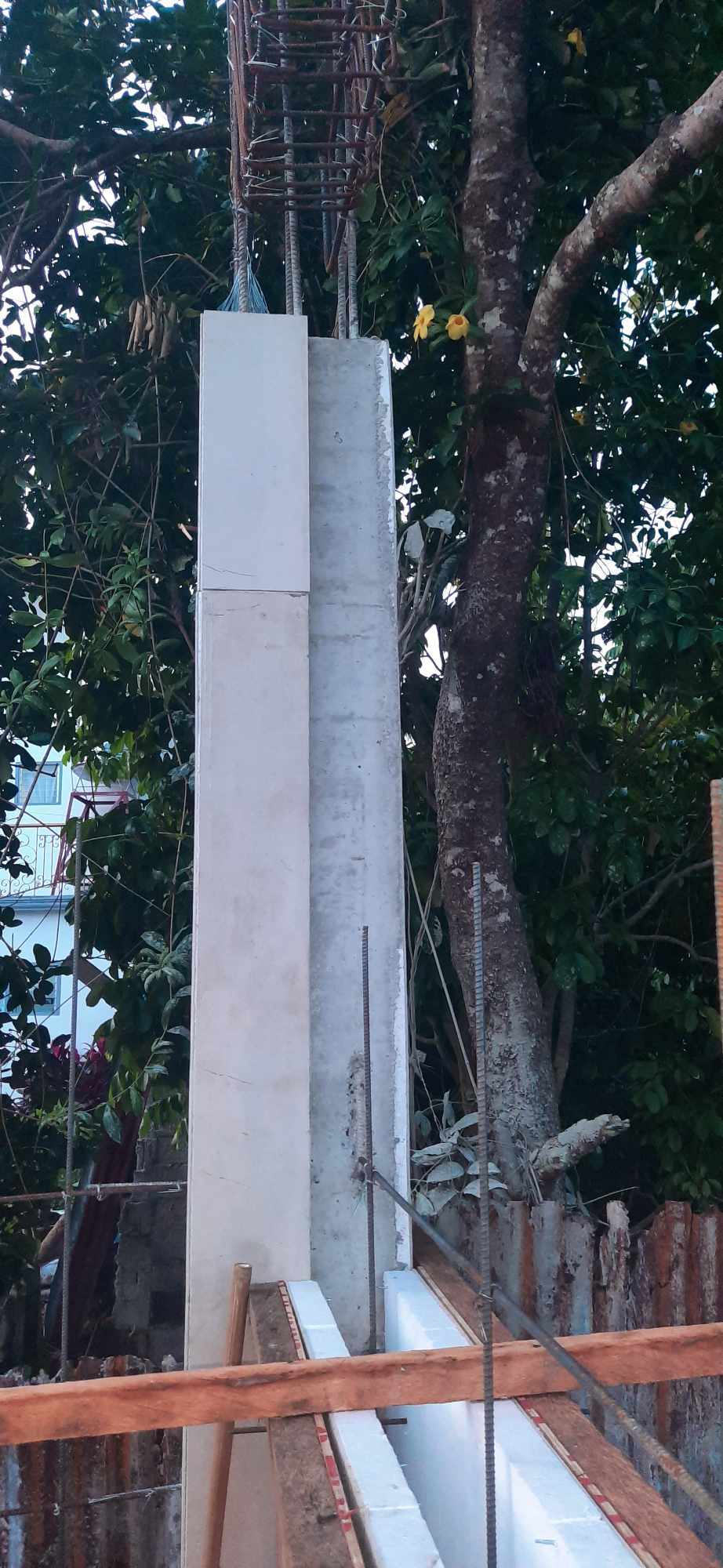
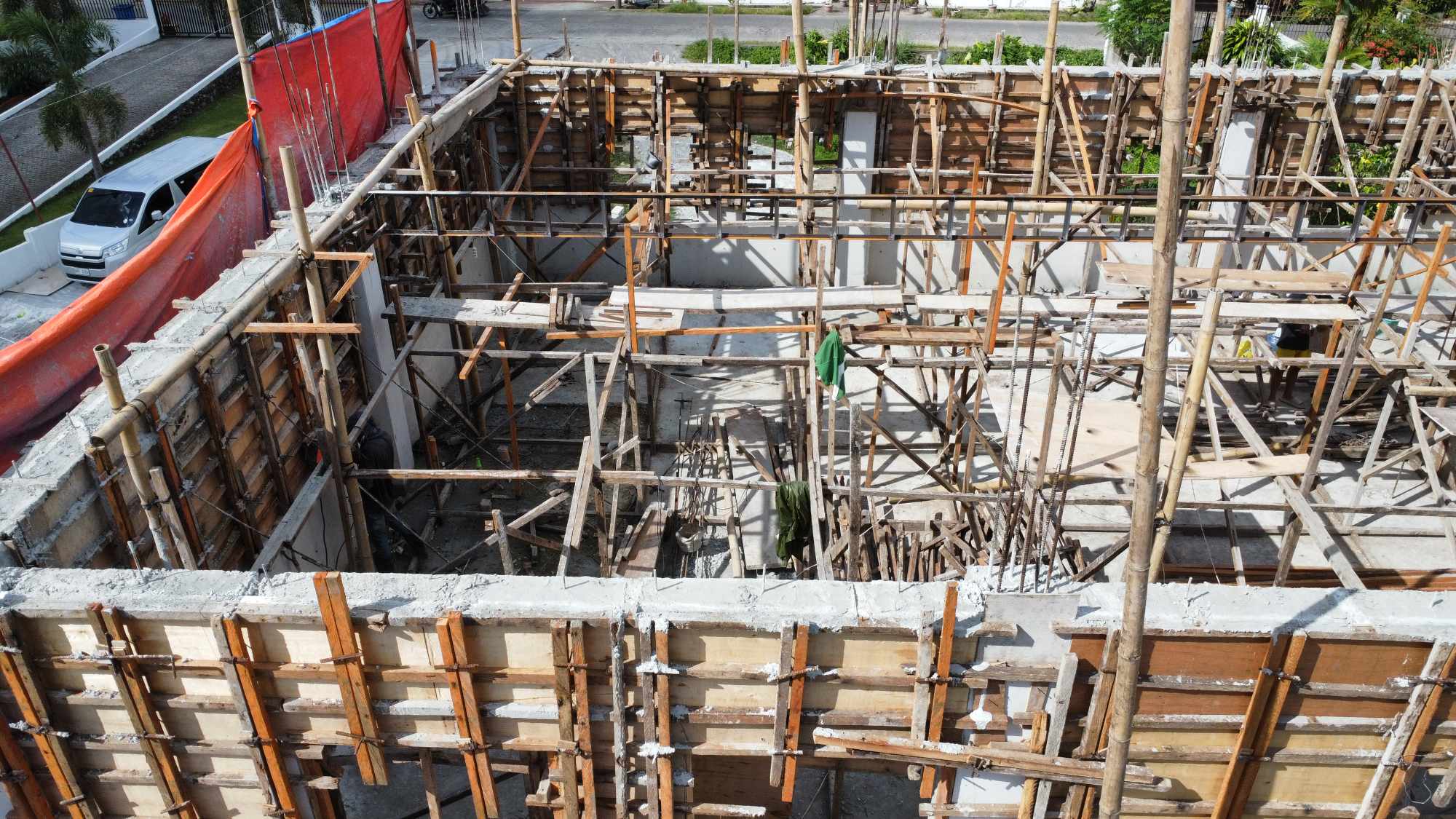
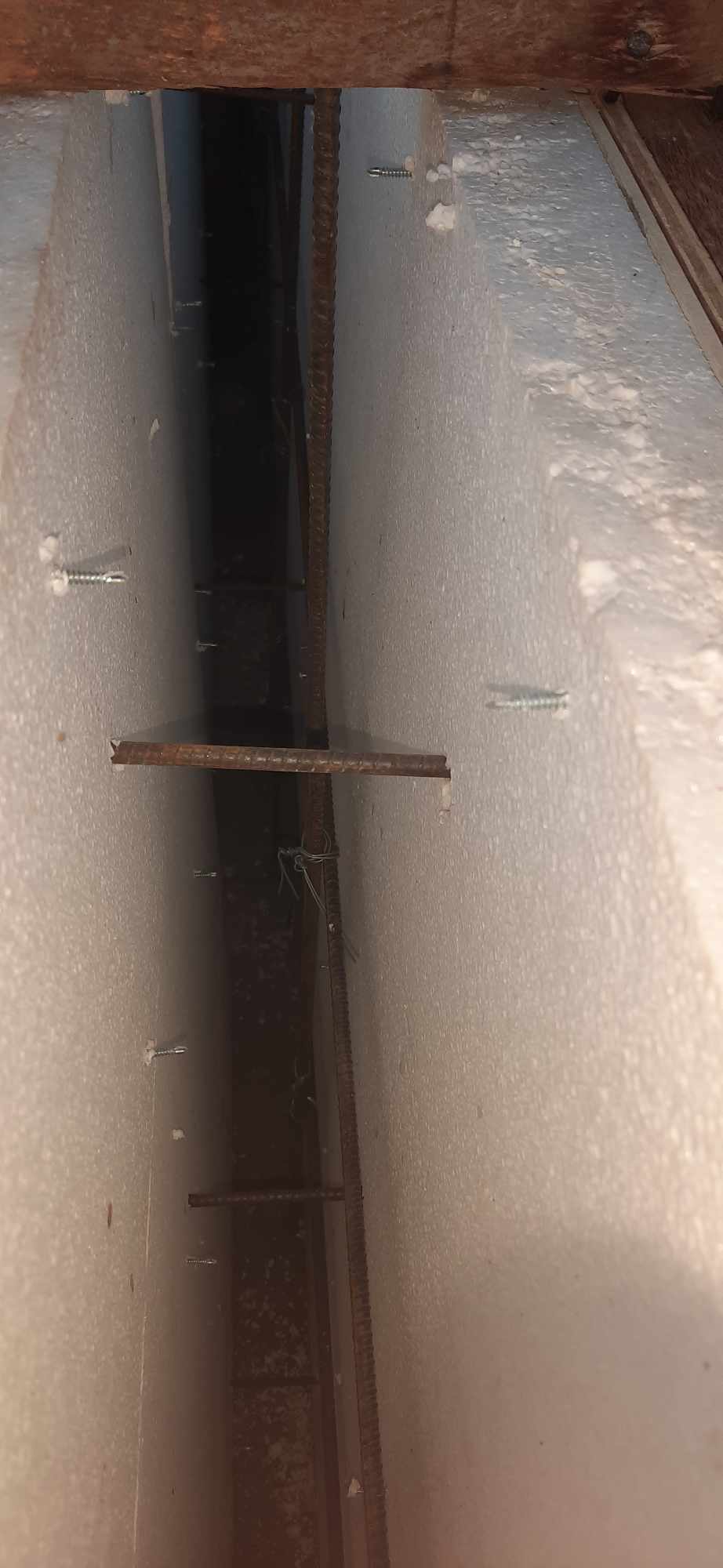
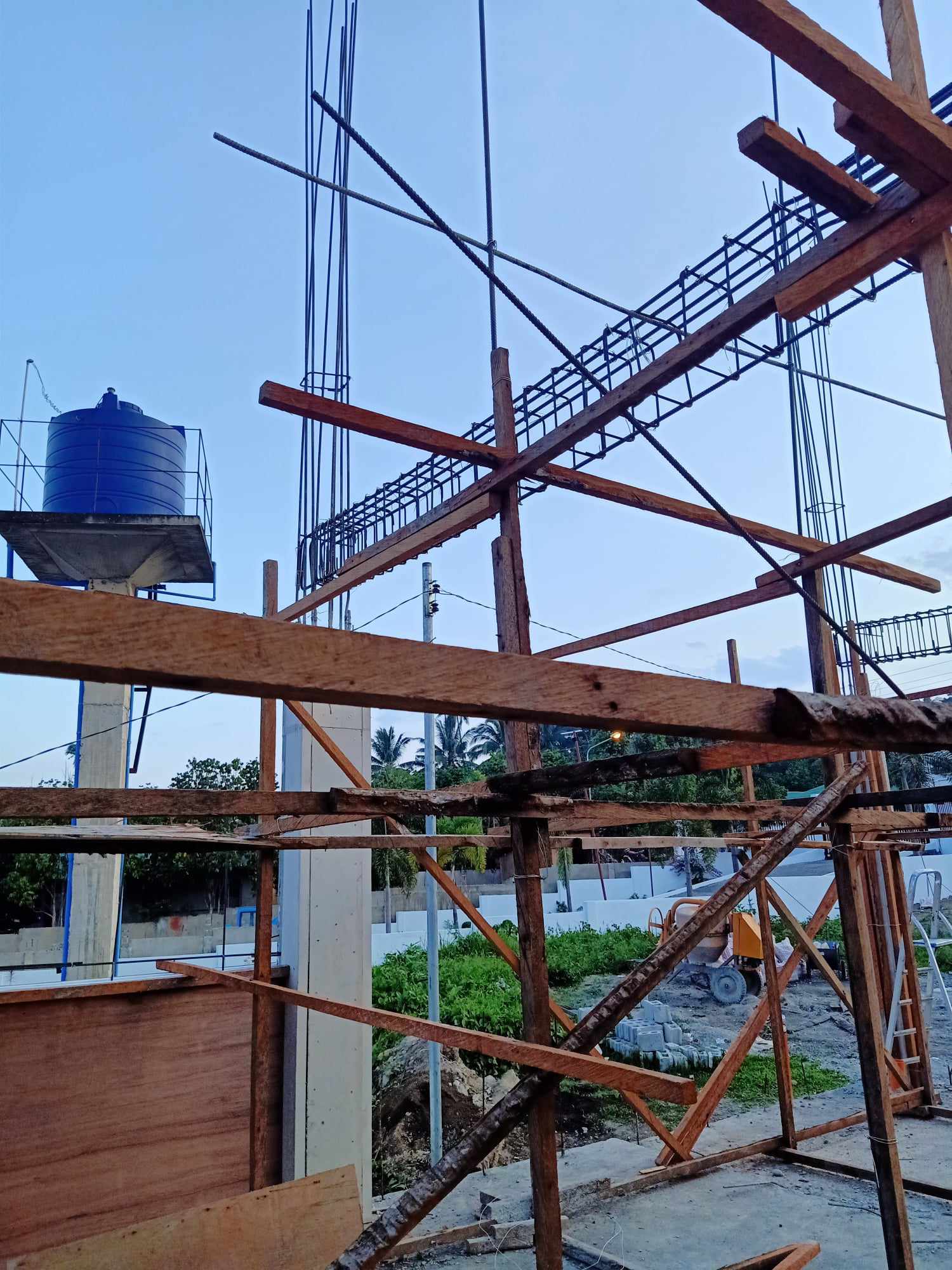
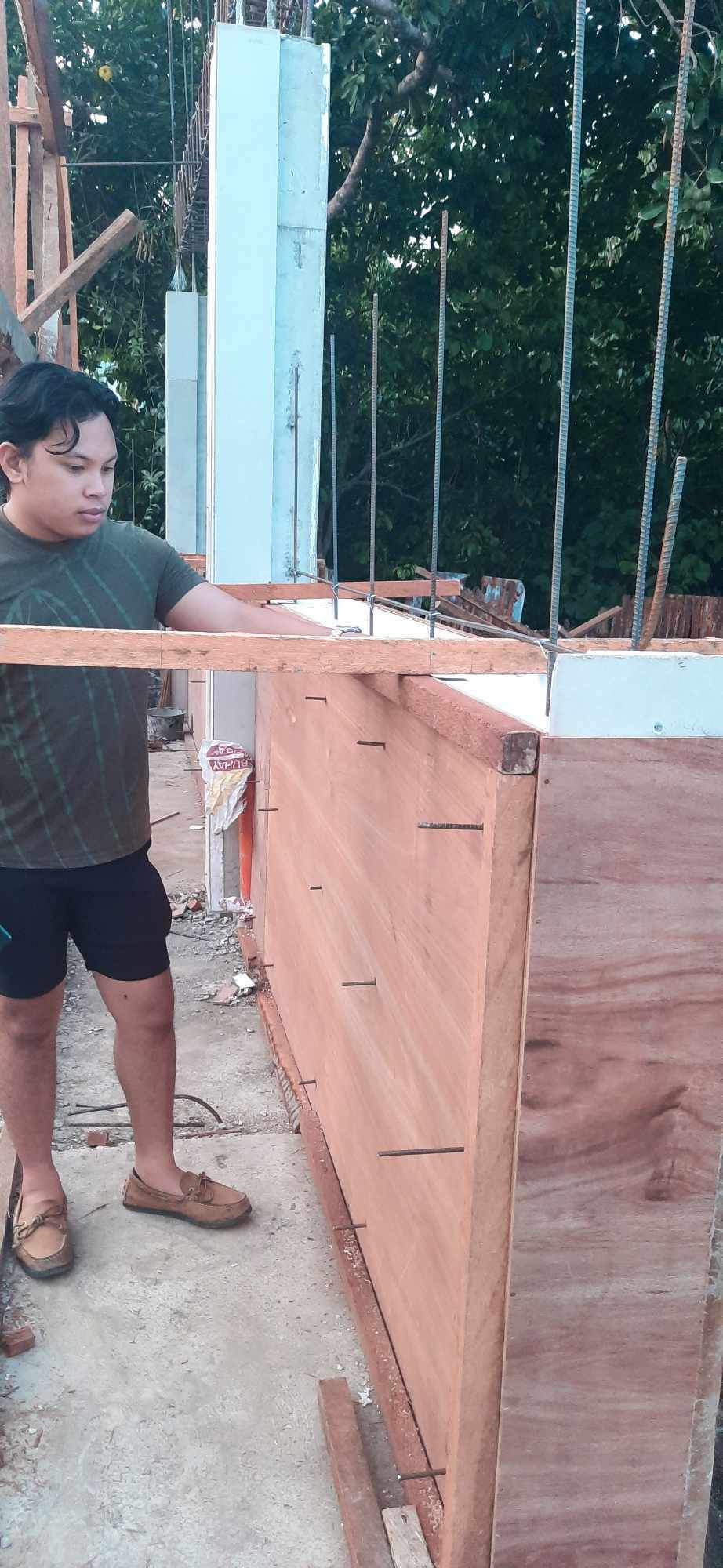
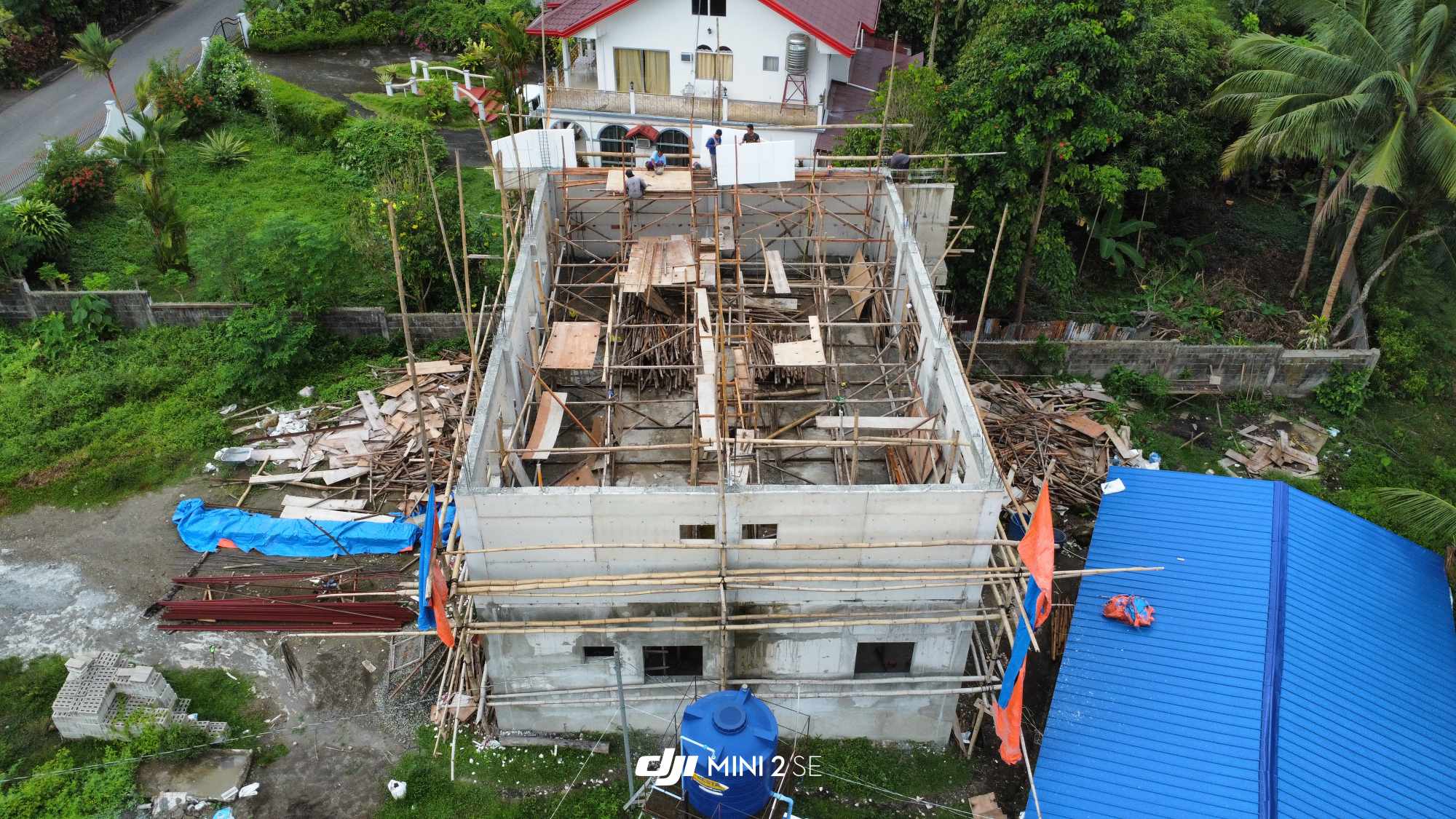
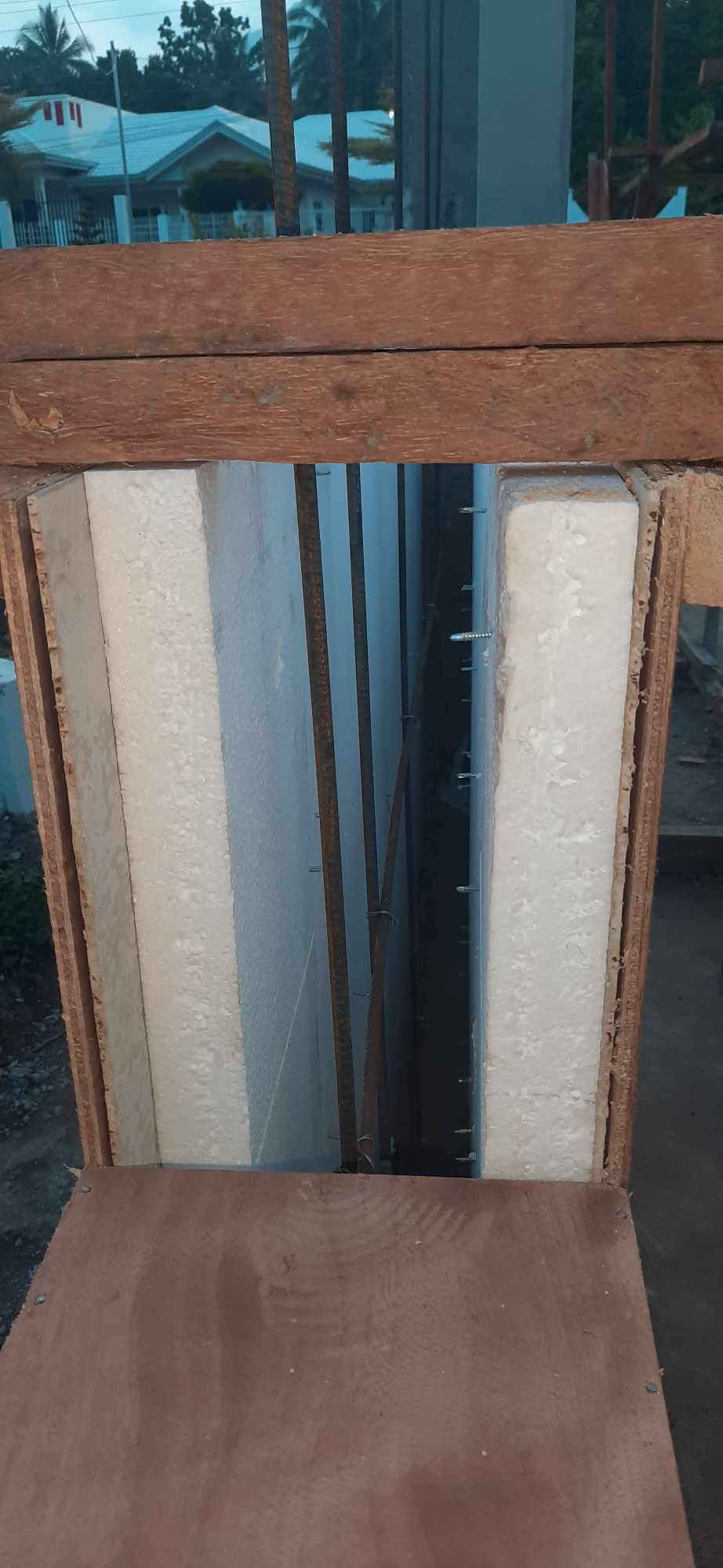
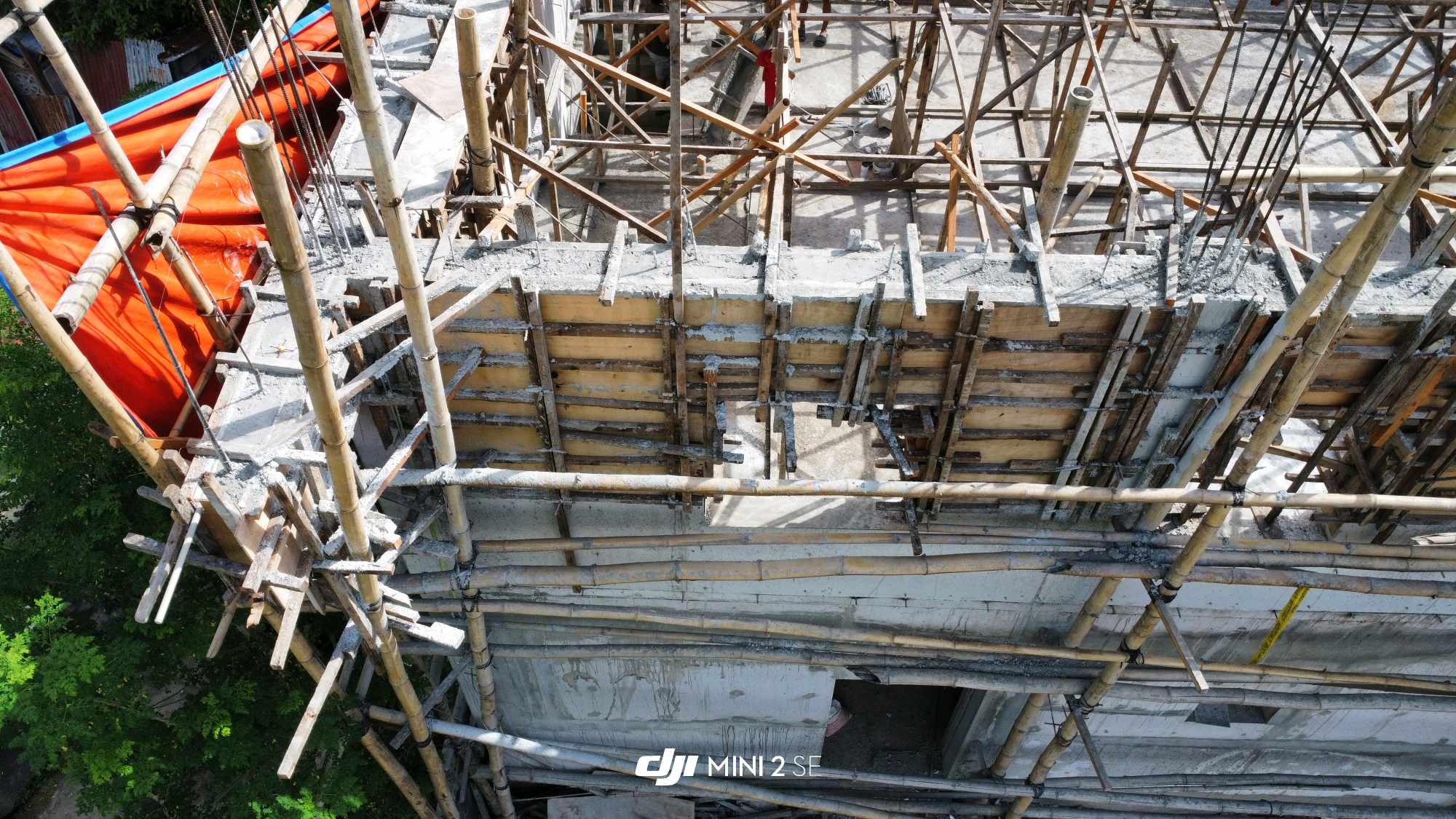
Unlike traditional homes that rely mainly on reinforced concrete columns, beams, and hollow block walls, an ICF home is built using solid reinforced concrete walls poured inside permanent insulated forms. The result is a structure that is stronger, quieter, more energy-efficient, and more durable.
Superior Earthquake Resistance: The Philippines lies along the Pacific Ring of Fire, making earthquakes a constant concern.
ICF homes utilize reinforced concrete shear walls, which are among the most effective structural systems for resisting earthquake forces. Because the walls themselves carry structural loads—not just the columns—they greatly reduce side-to-side movement during strong ground shaking.
A properly engineered ICF home can:
-Better resist lateral earthquake forces.
-Reduce stress on beam-column joints.
-Minimize structural cracking.
-Provide greater protection against collapse compared with conventional masonry wall construction.
While no building is completely earthquake-proof, reinforced concrete shear-wall systems are recognized by structural engineers as one of the safest approaches for low-rise residential buildings.
-Lower Electricity Bills
Keeping a Philippine home cool can be expensive.
ICF walls contain thick insulation on both sides of the reinforced concrete core. This significantly reduces heat entering the home, allowing indoor temperatures to remain more stable throughout the day.
Benefits include:
Less heat entering the house.
Reduced air-conditioner usage.
Lower monthly electric bills.
More comfortable indoor temperatures even during summer.
The concrete core also stores cool temperatures, helping maintain comfort long after the air conditioner cycles off.
A Much Quieter Home
Concrete is already an excellent sound barrier, and when combined with insulation on both sides, ICF walls provide outstanding acoustic performance.
This helps reduce:
-Traffic noise
-Barking dogs
-Heavy rain
-Loud neighbors
-General outdoor noise
The result is a quieter, more peaceful living environment.
Excellent Fire Resistance
Reinforced concrete does not burn, and the concrete core of an ICF wall can help slow the spread of fire.
While finishes, furnishings, and other building materials may still burn, the structural wall itself provides a much higher level of fire resistance than many conventional wall systems.
Enhanced Security
The solid reinforced concrete core is much stronger than standard hollow-block walls.
It is considerably more difficult to penetrate using common hand tools or forced-entry methods, providing homeowners with improved security.
Regarding firearms, thick reinforced concrete walls can stop or significantly slow many types of projectiles. However, their performance depends on the wall thickness, concrete strength, reinforcement, and the caliber and type of ammunition used. For this reason, ICF homes should not be advertised or certified as “bulletproof” unless they have been independently tested to recognized ballistic standards.
Greater Storm Resistance
ICF homes also perform well during severe weather.
Their reinforced concrete walls provide excellent resistance against:
-Strong winds
-Flying debris
-Heavy rainfall
-Typhoon conditions
This makes them particularly well suited for the Philippine climate.
Long-Term Durability
Unlike conventional masonry walls that may develop cracks over time, reinforced concrete walls are highly durable when properly designed and constructed.
They are resistant to:
-Rot
-Termite damage
-Moisture-related deterioration
-Warping
With proper maintenance, an ICF home can remain structurally sound for generations.
Can ICF Walls Be Detected with Thermal Cameras?
One advantage of ICF construction is its excellent insulation. Because heat transfers much more slowly through the walls, the outside surface often shows smaller temperature differences than conventional walls. This can make the home’s thermal signature less pronounced under some conditions.
However, it is not accurate to describe an ICF home as “FLIR-proof” or invisible to thermal imaging. Modern thermal cameras can still detect windows, roofs, doors, people, HVAC equipment, and temperature differences depending on weather, time of day, and indoor conditions.
Is an ICF Home Worth It?
Building with ICF generally costs more upfront than traditional hollow-block construction. However, many homeowners consider the investment worthwhile because they gain:
-Stronger earthquake-resistant construction
-Lower cooling costs
-Better sound insulation
-Improved fire resistance
-Enhanced security
-Excellent durability
-Greater comfort throughout the year
For many Filipino families, an ICF home is more than just a house—it’s a long-term investment in safety, energy efficiency, and peace of mind for future generations.