Apartment Construction and Property Development in Alegria, Cordova, Cebu: The Makilang Apartment Expansion Project
Developing a rental apartment property is one way property owners can maximize the potential of their land while creating additional residential accommodation for a growing community. However, successful apartment development involves much more than simply constructing rooms and dividing a building into separate rental units. It requires thoughtful space planning, practical construction methods, proper budgeting, and an understanding of how the finished property will serve its future occupants.
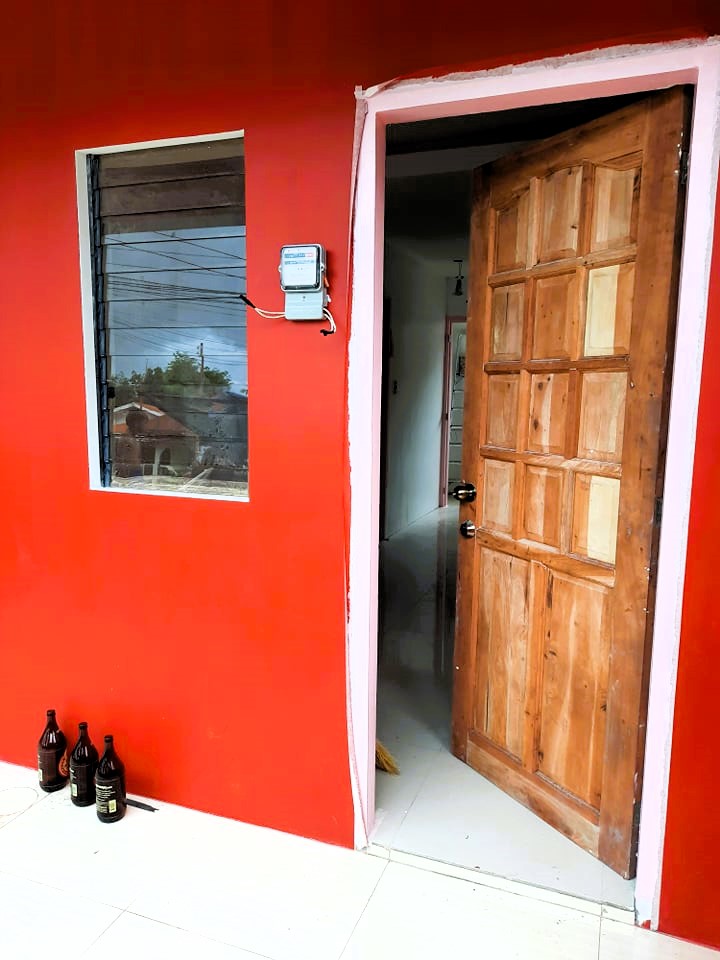
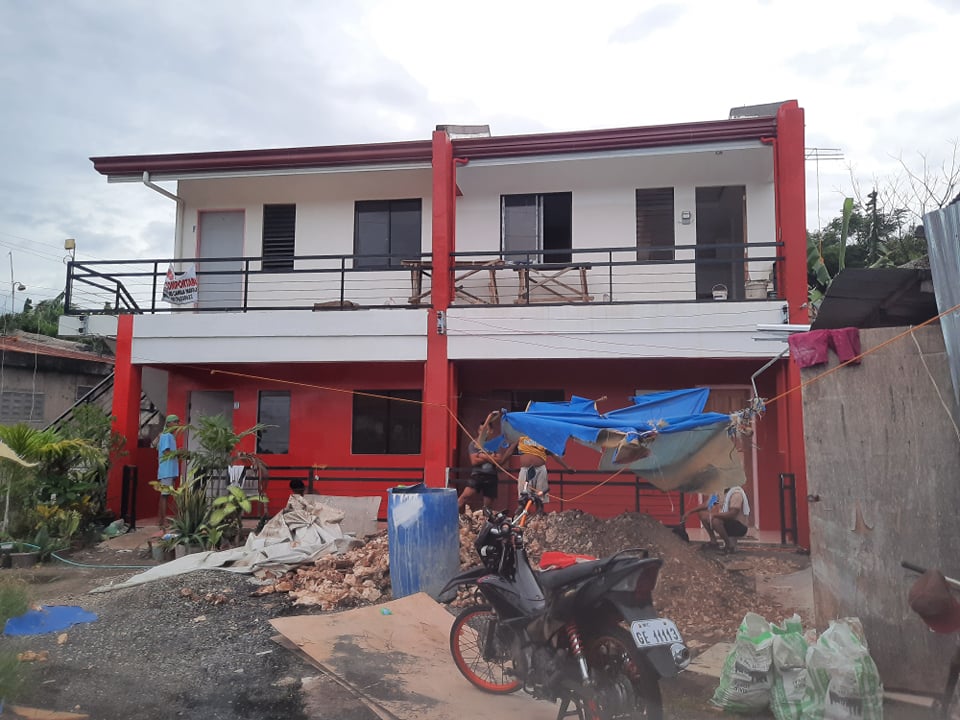
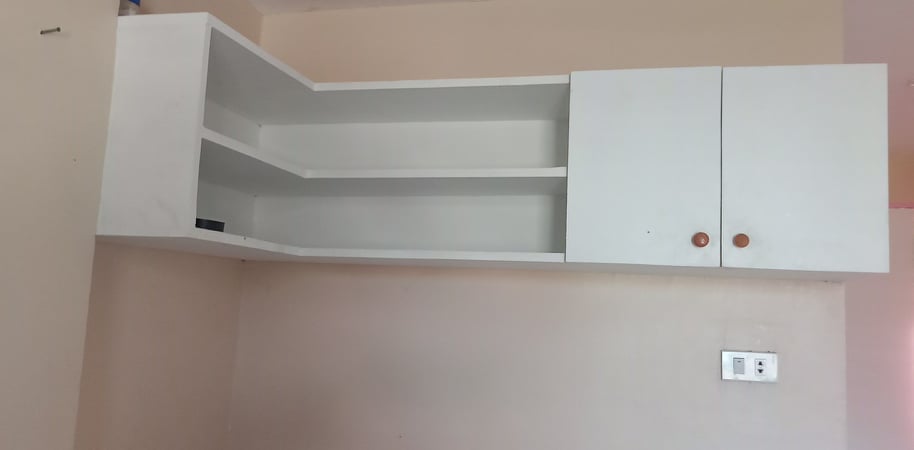
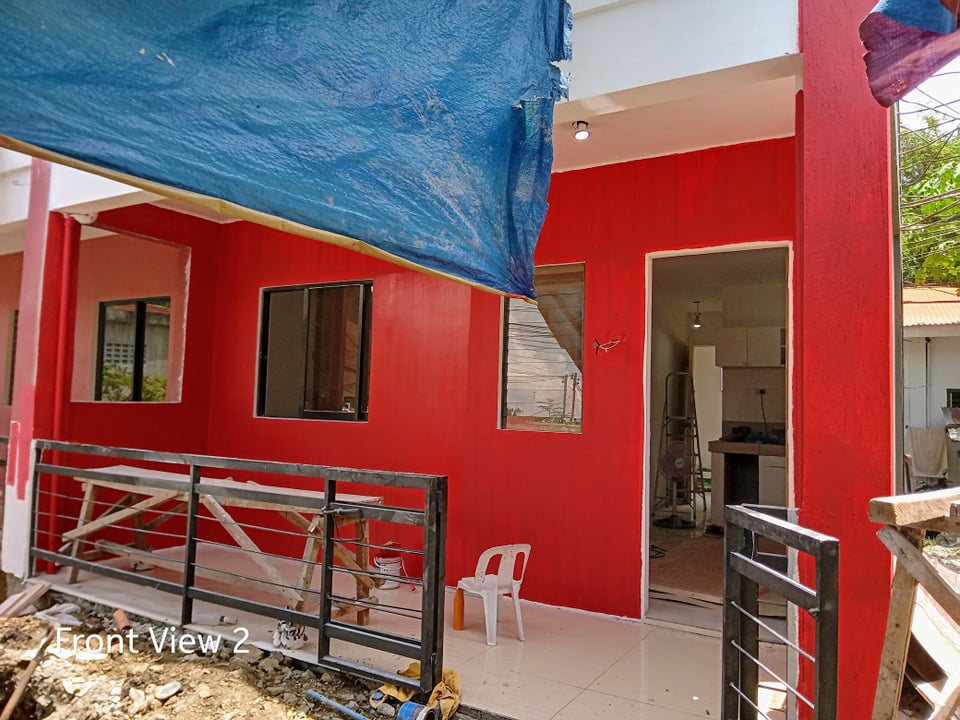
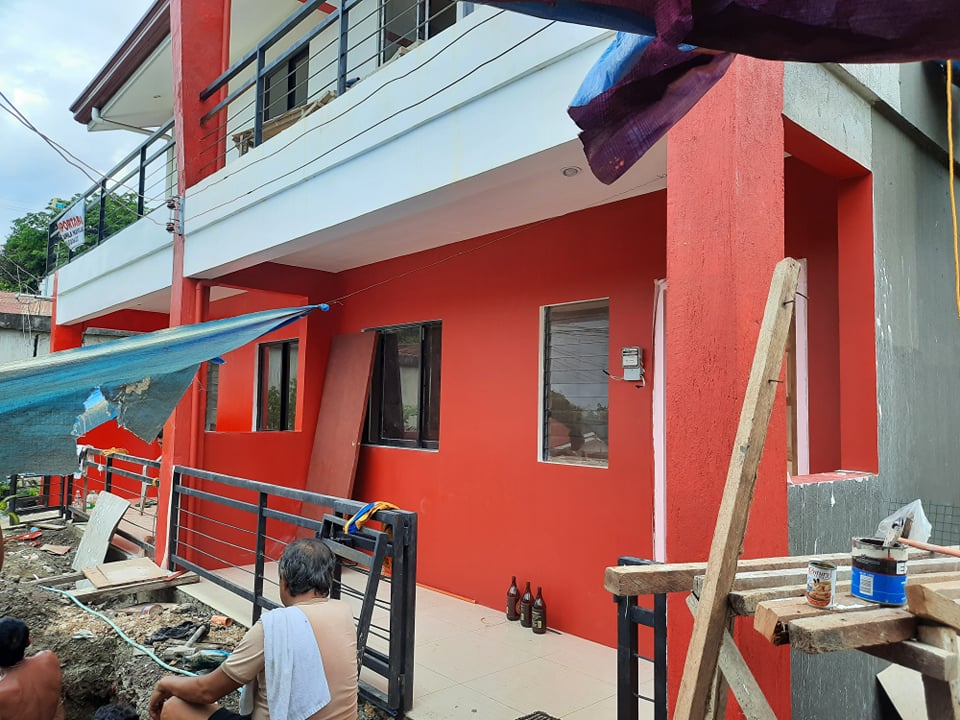
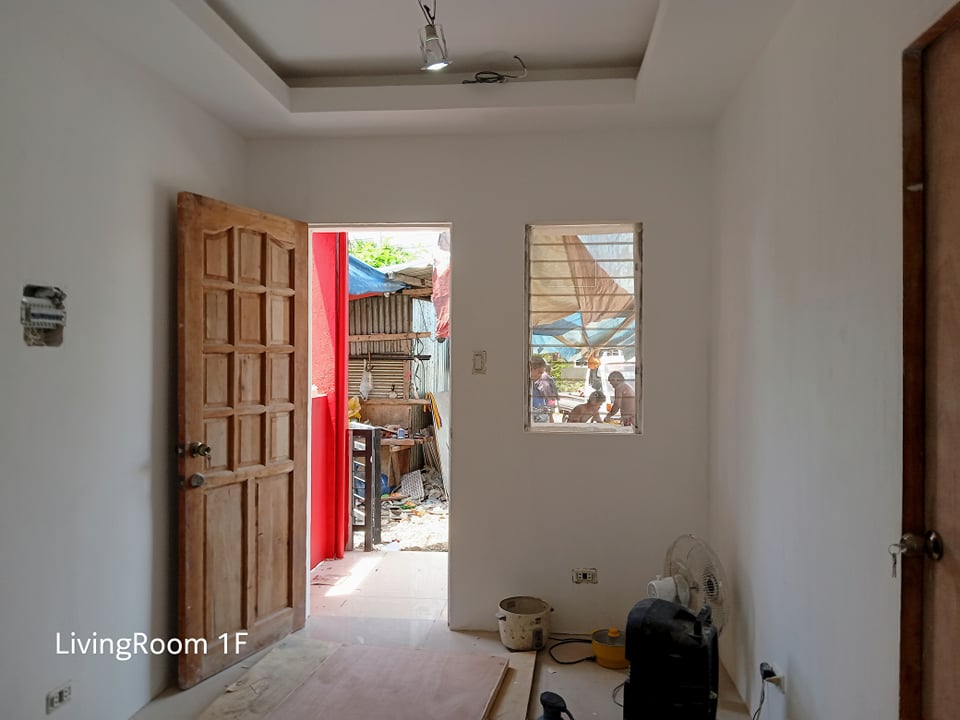
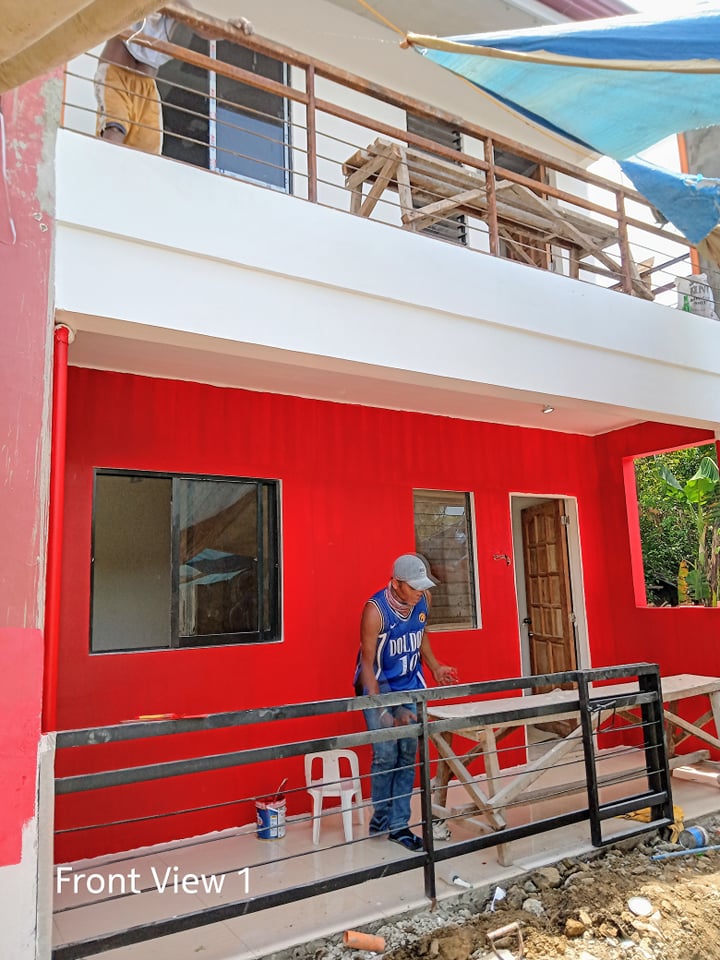
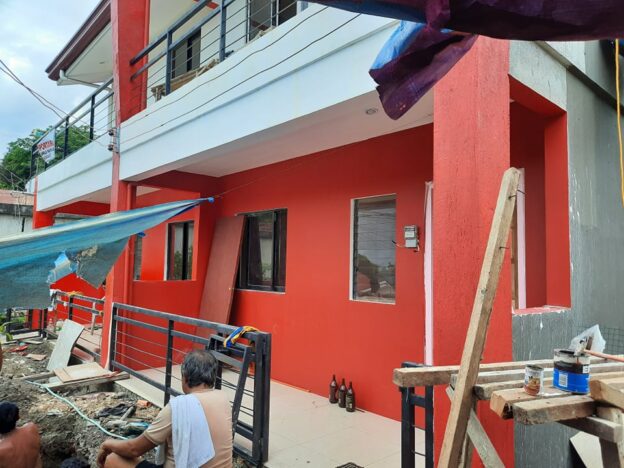
The Makilang Apartment project in Alegria, Cordova, Cebu, provides an interesting example of how an existing residential development can be expanded through careful construction planning and efficient use of available resources.
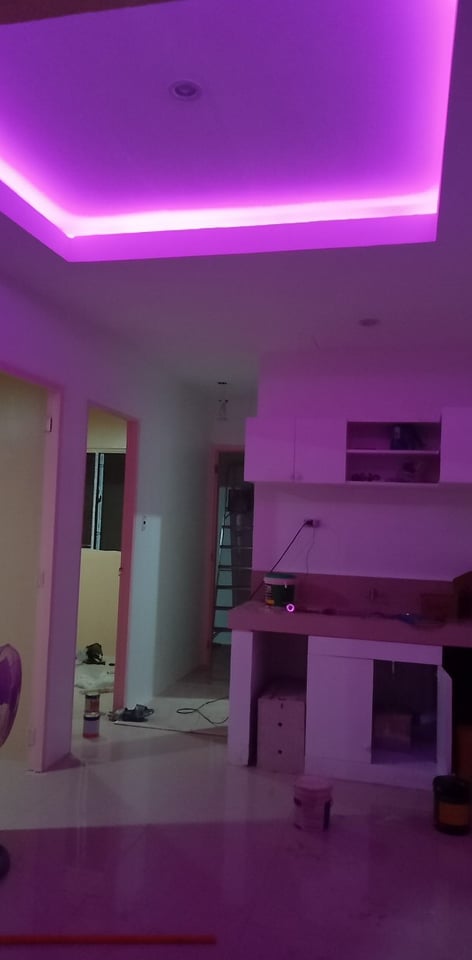
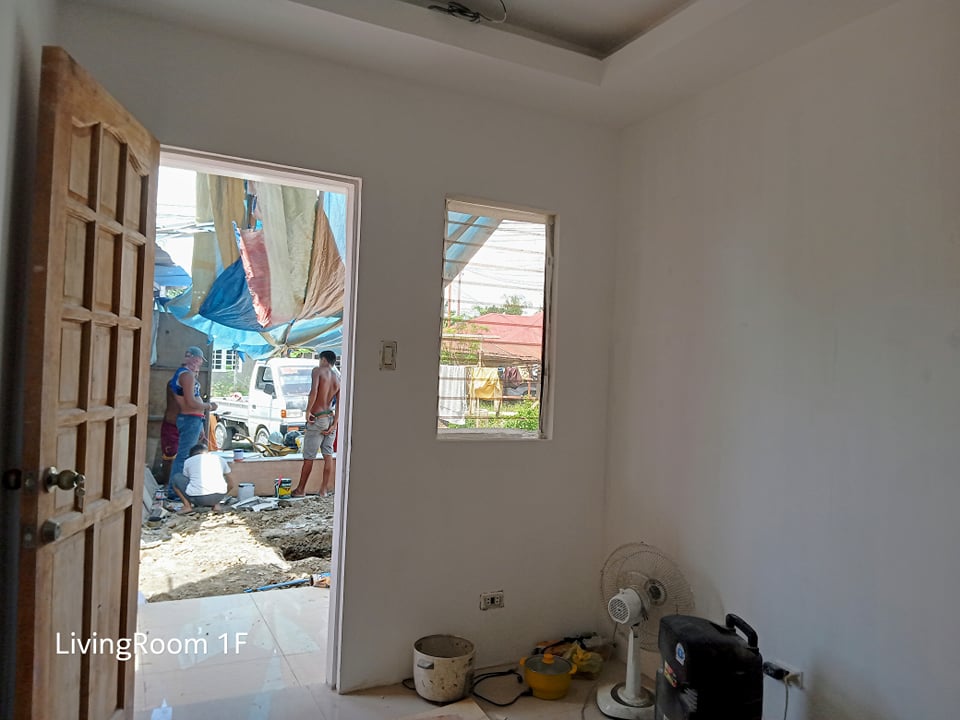
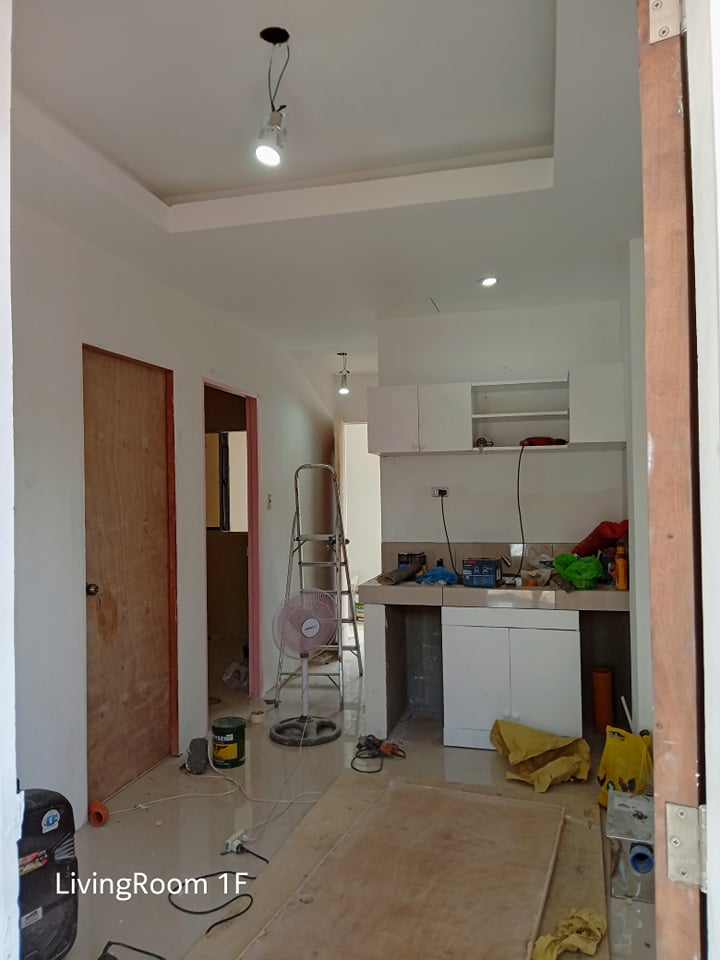
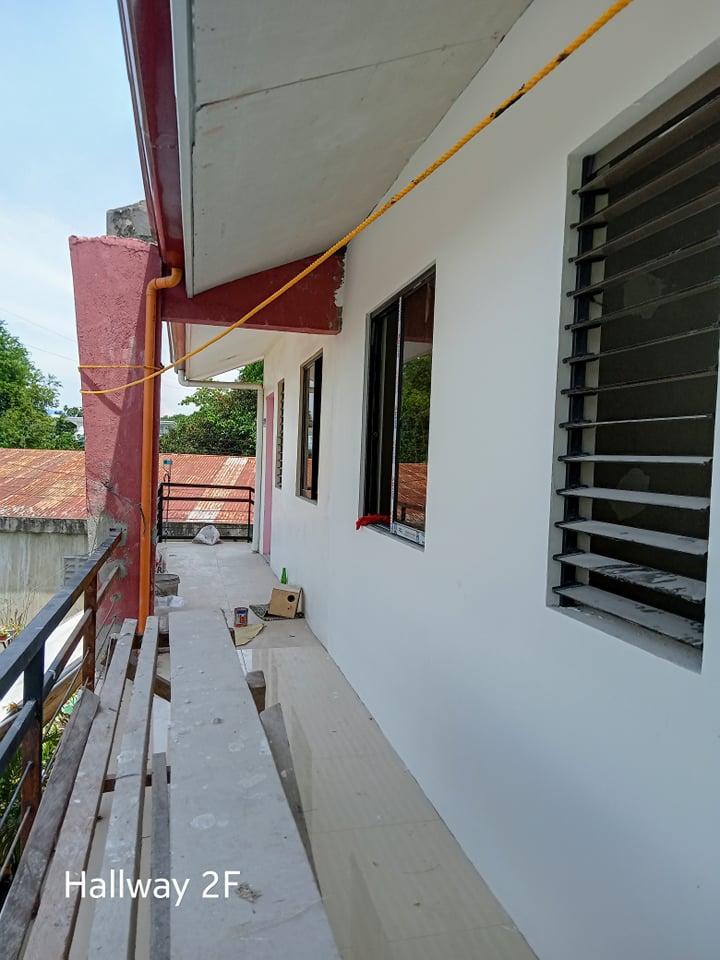
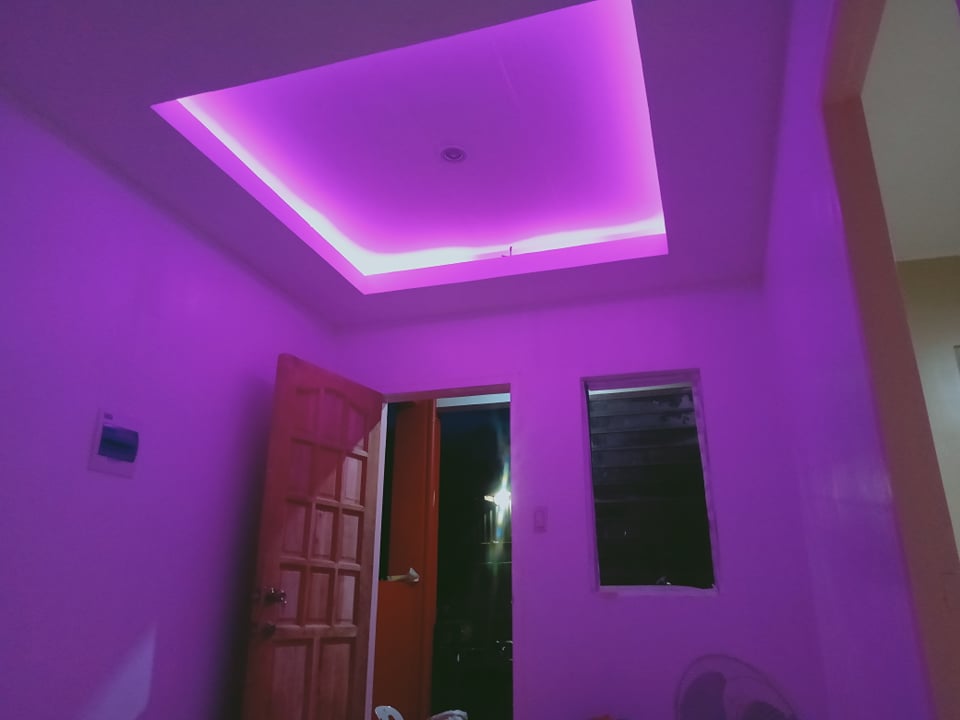
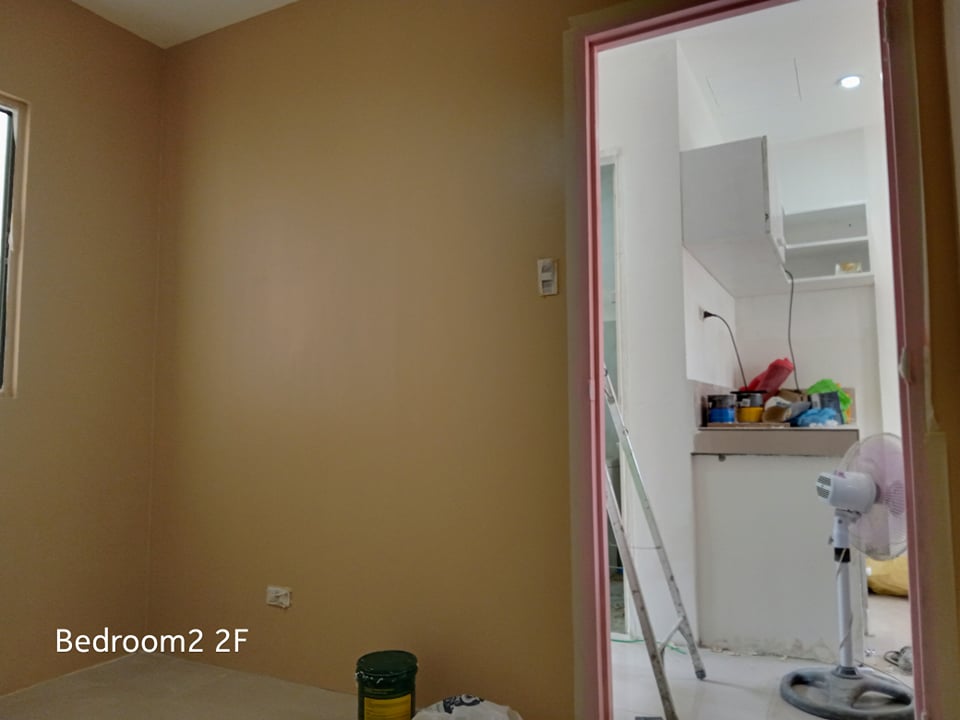
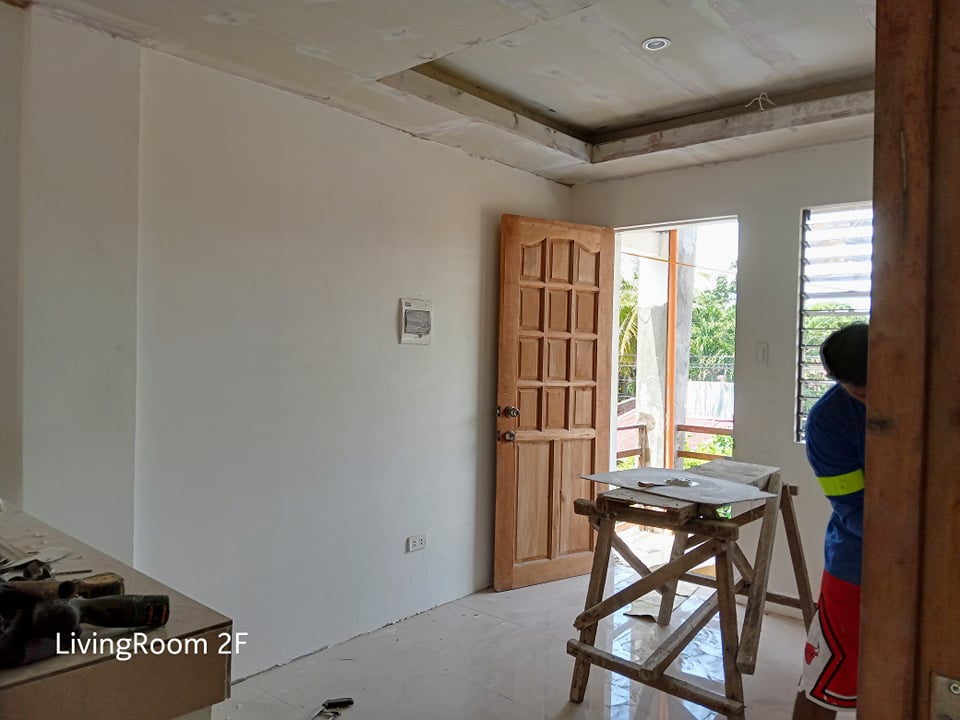
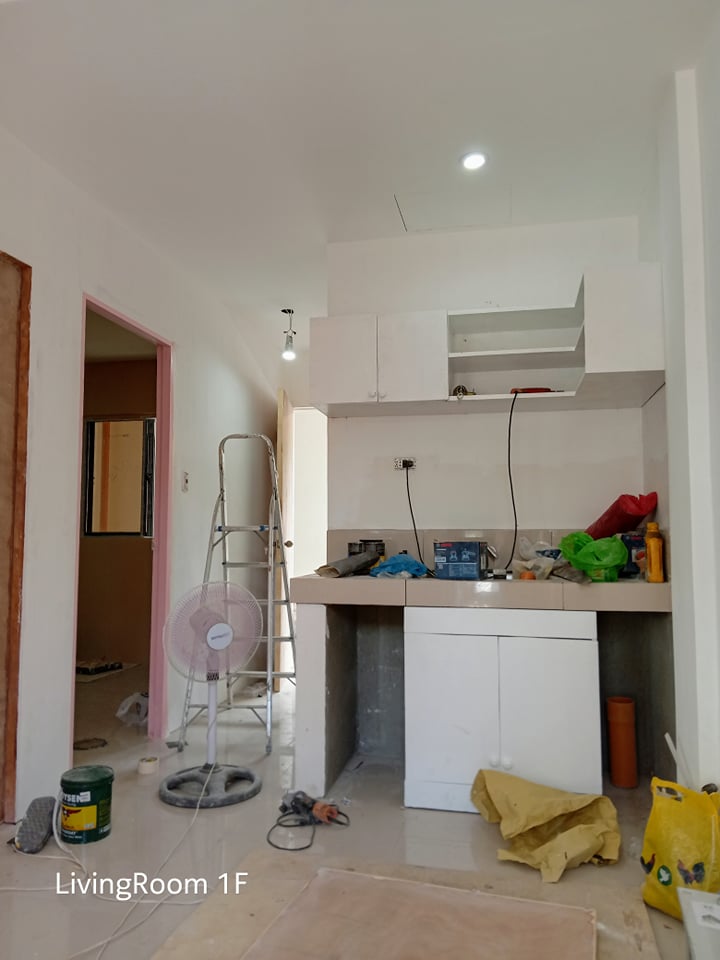
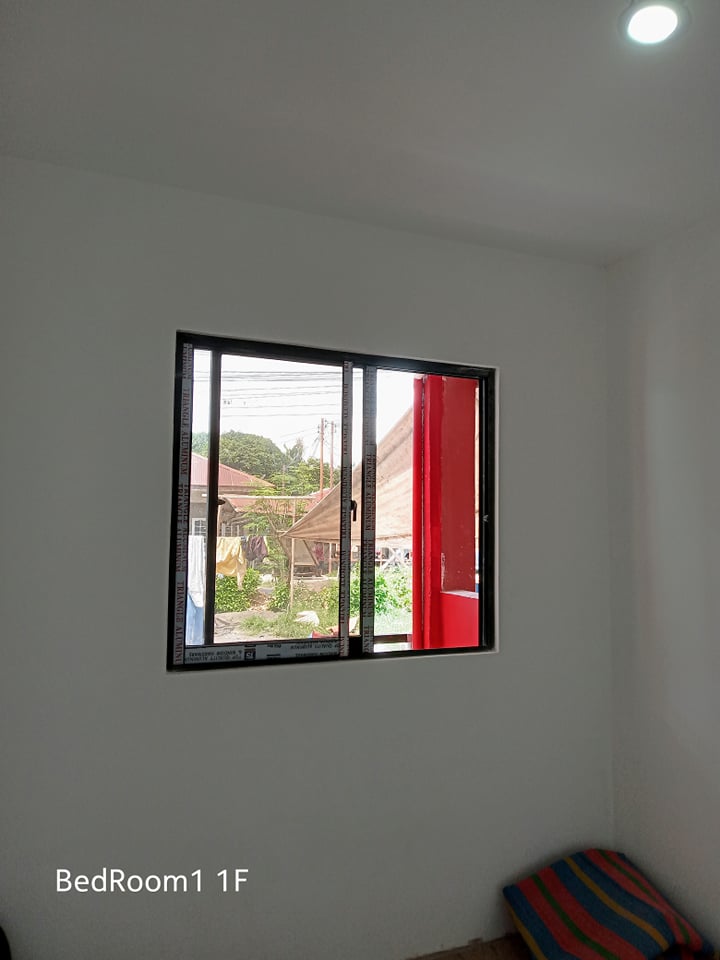
Located in Cordova on Mactan Island, this project involved completing two additional apartment units originally included in the property’s development plans. Although the owners had to work within a limited construction budget, the objective remained clear: complete the additional units with satisfactory workmanship, practical functionality, and attention to construction quality.
For property owners considering apartment construction in Cebu, this project illustrates several important lessons about residential property development, building expansion, and making the most of an existing investment.
The Makilang Apartment Project: Completing an Existing Development
The Makilang family had previously developed an apartment property in Alegria, Cordova. Their original building plans included additional units that had not yet been completed.
Eventually, the family decided to proceed with the remaining construction work. The challenge, however, was the available budget. Rather than undertaking an entirely new development, the priority was to complete the unfinished portion of the existing apartment project in the most practical and economical way possible.
Our construction team accepted the challenge and undertook the completion of two additional apartment units.
Through coordinated construction activities and the dedication of the workers, the two units were completed in approximately three months. This was a considerable improvement over the earlier phase, which reportedly took around eight months to complete the same number of units.
The project demonstrated how proper coordination, efficient scheduling, and an experienced construction team can contribute to a more manageable construction timeline.
More importantly, it showed that even relatively modest construction projects deserve attention to detail. A limited budget should encourage better planning and resource management, not unnecessary compromises in essential construction quality.
Why Apartment Construction Requires a Different Approach
Building an apartment is different from constructing an ordinary family residence.
A private home is generally designed around the lifestyle of one household. An apartment building, on the other hand, must accommodate several independent households, each requiring privacy, comfort, adequate utilities, and convenient access to its own living facilities.
Every unit should function as an independent residential space while remaining part of a properly organized building.
This means that several considerations must be addressed during the architectural and construction planning stages.
Efficient Space Utilization
One of the most important aspects of apartment design is maximizing usable floor space.
Bedrooms, kitchens, bathrooms, dining areas, and living spaces should be arranged logically. Unnecessary corridors and awkward room configurations can consume valuable floor area that could otherwise be used for more practical living spaces.
A good apartment layout should provide comfortable movement, sensible furniture placement, and adequate space for everyday household activities.
Privacy Between Apartment Units
Privacy is essential in rental housing.
Tenants should be able to enjoy their individual living spaces without unnecessary disturbances from neighboring occupants. This requires careful consideration of partition walls, door locations, window positioning, plumbing arrangements, and shared circulation areas.
Where appropriate, suitable wall construction and acoustic detailing can also help reduce unwanted sound transmission between adjoining units.
Natural Lighting and Ventilation
The tropical climate of Cebu makes natural lighting and ventilation particularly important.
Properly positioned windows can introduce daylight and encourage natural airflow, helping create a more comfortable indoor environment. Designers should also consider afternoon sun exposure, prevailing wind conditions, rain protection, and the privacy of neighboring properties.
These details can make a considerable difference in the everyday experience of apartment occupants.
Plumbing and Electrical Coordination
Every apartment unit requires properly planned water supply, drainage, electrical installations, and sanitary facilities.
Bathrooms and kitchen areas should be positioned with consideration for plumbing efficiency and future maintenance. Electrical systems must also be designed according to the intended use of each unit and applicable safety requirements.
Good coordination between architectural, plumbing, electrical, and structural plans helps prevent unnecessary modifications during construction.
Practical Construction Details That Make a Difference
An apartment building does not necessarily need expensive finishes or elaborate architectural features to become a functional and attractive rental property.
Sometimes, the quality of a development is reflected in the practical details that occupants may not immediately notice.
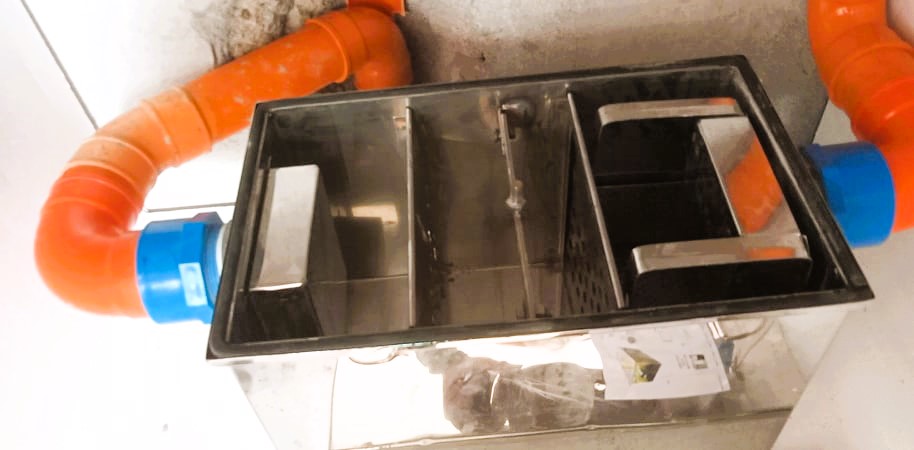
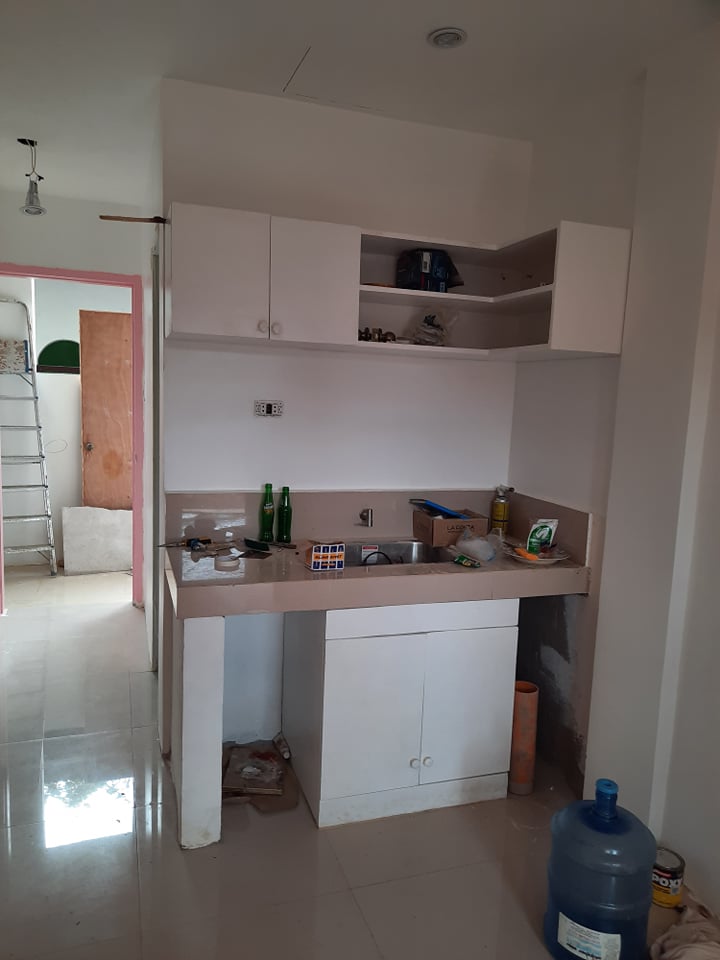
One example incorporated into the Makilang Apartment expansion was the installation of stainless steel grease traps beneath the kitchen sink drainage system.
This detail provides an additional means of collecting grease and food particles before they enter the drainage system. It can help reduce the accumulation of grease in pipes and make routine cleaning more manageable.
However, grease traps still require regular cleaning, and occupants should avoid disposing of food scraps and excessive cooking oil directly into kitchen drains.
Other important considerations in apartment construction include proper waterproofing, durable floor finishes, reliable plumbing fixtures, accessible maintenance points, and well-installed doors and windows.
These practical details can help reduce maintenance difficulties and contribute to the long-term usability of a rental property.
Expanding an Existing Apartment Building Instead of Starting From Scratch
Property owners sometimes discover that their existing buildings have additional development potential.
An unfinished portion of a property, an available building area, or an original development plan that has not been fully implemented may present an opportunity to increase the property’s usable space.
Completing additional apartment units can be a practical alternative to purchasing another property or starting an entirely new development.
However, building expansion must be approached carefully.
Before adding new units or modifying an existing structure, the building’s original plans and actual construction conditions should be evaluated.
Important considerations include:
- Existing foundations and their structural capacity.
- Columns, beams, slabs, and load-bearing walls.
- Existing roofing and rainwater drainage arrangements.
- Available plumbing and electrical provisions.
- Fire safety and emergency access.
- Natural lighting and ventilation.
- Property boundaries and required building setbacks.
- Compliance with the National Building Code and applicable local regulations.
Where structural modifications are necessary, the appropriate assessment and engineering design should be undertaken by qualified professionals.
An apartment expansion should improve the property without compromising the structural integrity and safety of the original building.
Building Apartments Within a Limited Construction Budget
One of the realities of property development in the Philippines is that construction budgets are not always unlimited.
Many property owners prefer to develop their properties gradually, completing the most important portions first and continuing additional construction when financial resources become available.
This approach can be practical, provided that the overall development is properly planned from the beginning.
The Makilang Apartment expansion is an example of how an existing development can move closer to completion through a focused construction scope.
For owners planning a similar project, the following practices can help manage construction expenses.
1. Establish a Clear Construction Scope
Determine exactly which portions of the property will be constructed or completed. Avoid unnecessary additions and design changes that could increase material and labor expenses.
2. Prioritize Essential Construction Components
Structural work, waterproofing, plumbing, electrical installations, roofing, and basic residential functionality should take priority over decorative improvements.
3. Choose Practical and Durable Materials
The cheapest material is not necessarily the most economical in the long run. Materials should be evaluated according to their durability, availability, maintenance requirements, and suitability for the local environment.
4. Coordinate Construction Activities
Masonry, concrete work, plumbing, electrical installation, roofing, and finishing should follow an organized construction sequence.
Good coordination can minimize unnecessary delays, repeated work, and material wastage.
5. Consider Phased Property Development
When the overall project is too large for the available budget, owners may consider implementing it in phases. However, structural provisions, utilities, fire safety, and regulatory requirements should be considered in the original development plan.
The objective should always be to obtain the best possible construction outcome within the available resources without compromising essential safety and workmanship standards.
Why Cordova, Mactan Is Worth Considering for Apartment Development
Cordova is a municipality located on Mactan Island in Cebu Province. Its proximity to Lapu-Lapu City and the wider Metro Cebu area makes it an interesting location for residential property development.
Over the years, Mactan has become an important residential, commercial, tourism, and employment area. Its economic activities create different accommodation requirements for residents, employees, families, and individuals who prefer to live within commuting distance of their workplaces.
Depending on the property’s location and accessibility, apartment developments in Cordova may cater to several potential rental markets:
- Local families looking for independent residential accommodation.
- Employees working in nearby commercial and industrial establishments.
- Workers in the tourism and hospitality sectors.
- Small households seeking practical and affordable rental units.
- Individuals working in Lapu-Lapu City and surrounding areas.
- People who prefer residential accommodation outside busier commercial districts.
Alegria, Cordova, is one of the communities where residential property development can be considered according to the needs of the surrounding population.
Of course, the success of an apartment investment will depend on more than its geographical location. Rental demand, accessibility, nearby establishments, unit sizes, rental pricing, property maintenance, and the quality of the finished accommodation all influence its attractiveness to prospective tenants.
This is why understanding the intended rental market should be part of the planning process before construction begins.
Apartment Buildings as Long-Term Property Investments
For landowners, constructing an apartment building can provide an opportunity to generate recurring rental income from an existing property.
Unlike a single-family residence occupied by one household, an apartment development can accommodate multiple tenants, potentially creating several independent rental income streams.
However, property owners should understand that rental income does not automatically translate into profit.
A realistic investment assessment should include the total construction cost, expected rental rates, maintenance expenses, property management, utility arrangements, taxes, insurance where applicable, and possible periods when some units remain unoccupied.
The quality of the construction also matters.
Poor workmanship, recurring plumbing problems, inadequate waterproofing, and unsuitable building materials can result in expensive repairs that affect the property’s long-term financial performance.
A properly designed and constructed apartment should therefore consider not only its initial construction cost but also its expected maintenance requirements throughout its useful life.
A practical, durable, and comfortable rental property can be a more sensible investment than a development that prioritizes appearance while overlooking functionality.
The Importance of Workmanship and Construction Management
Every construction project, regardless of its size, depends on the people responsible for bringing the plans to reality.
The Makilang Apartment expansion was completed through the combined efforts of the construction workers and the team responsible for coordinating the project.
From masonry and concrete work to plumbing, installations, finishing, and supervision, each activity contributed to the completion of the two additional units.
The project also reinforced an important principle in construction: a satisfied property owner is one of the most valuable results a contractor can achieve.
Good workmanship, responsible coordination, and a genuine commitment to completing the agreed scope of work can help establish long-term relationships between contractors and property owners.
For us, construction is not simply about completing another building. It is about helping clients make practical improvements to their properties and turning their development plans into usable spaces.
Lessons From the Makilang Apartment Expansion in Cordova
Looking back at the Makilang Apartment project, several important lessons can be applied to other residential construction and property development projects.
First, existing properties may have untapped development potential. Completing unfinished units can be a practical way to maximize the use of available land and existing infrastructure.
Second, a limited budget does not necessarily prevent a project from achieving a satisfactory result. What matters is having a realistic construction scope, proper planning, and effective resource management.
Third, construction scheduling and teamwork are important. Completing two apartment units in approximately three months required coordination and cooperation among the people involved.
Finally, apartment construction should always consider the future occupants. Comfortable layouts, adequate ventilation, reliable utilities, privacy, and manageable maintenance requirements are important elements of a successful rental property.
The Makilang family wanted to complete two additional apartment units and move their existing development closer to its intended completion. Through coordinated construction work, that objective was achieved.
It may not have been the largest apartment development, but it demonstrated the value of practical construction solutions and responsible project execution.
Planning an Apartment Building or Property Expansion in Cebu?
Whether you are planning a small rental apartment, a multi-unit residential building, or an expansion of an existing property, careful planning is essential before construction begins.
The first step is to understand the property, determine the intended occupants, establish a realistic budget, and develop an architectural layout that makes efficient use of the available space.
A complete construction plan should also address structural engineering, plumbing, electrical systems, fire safety, drainage, ventilation, and compliance with applicable building regulations.
For property owners who cannot complete an entire development immediately, a properly planned phased construction approach may also be worth considering.
At Cebuano Designers and Builders (CBU.asia), we recognize that property development comes in different sizes and budgets. Some clients want to build their dream homes, while others want to maximize their existing properties through apartment construction, building expansion, renovation, or additional rental units.
The Makilang Apartment project in Alegria, Cordova, Cebu, represents this practical side of residential construction.
Our objective is to help property owners explore workable design and construction solutions that respond to their needs, available resources, and long-term property goals.
Considering an apartment construction project or an expansion of your existing property in Cebu, Mactan, or elsewhere in the Visayas?
We welcome inquiries for residential design, apartment construction, building expansion, renovation, and property development projects.
Explore our construction projects and learn more about our design and building services.
Custom Builders Union (CBU.asia)
Residential Construction | Apartment Buildings | Building Expansion | Architectural Design | Renovation | Property Development
Serving Cebu, Mactan, Cordova, and surrounding areas in the Visayas.